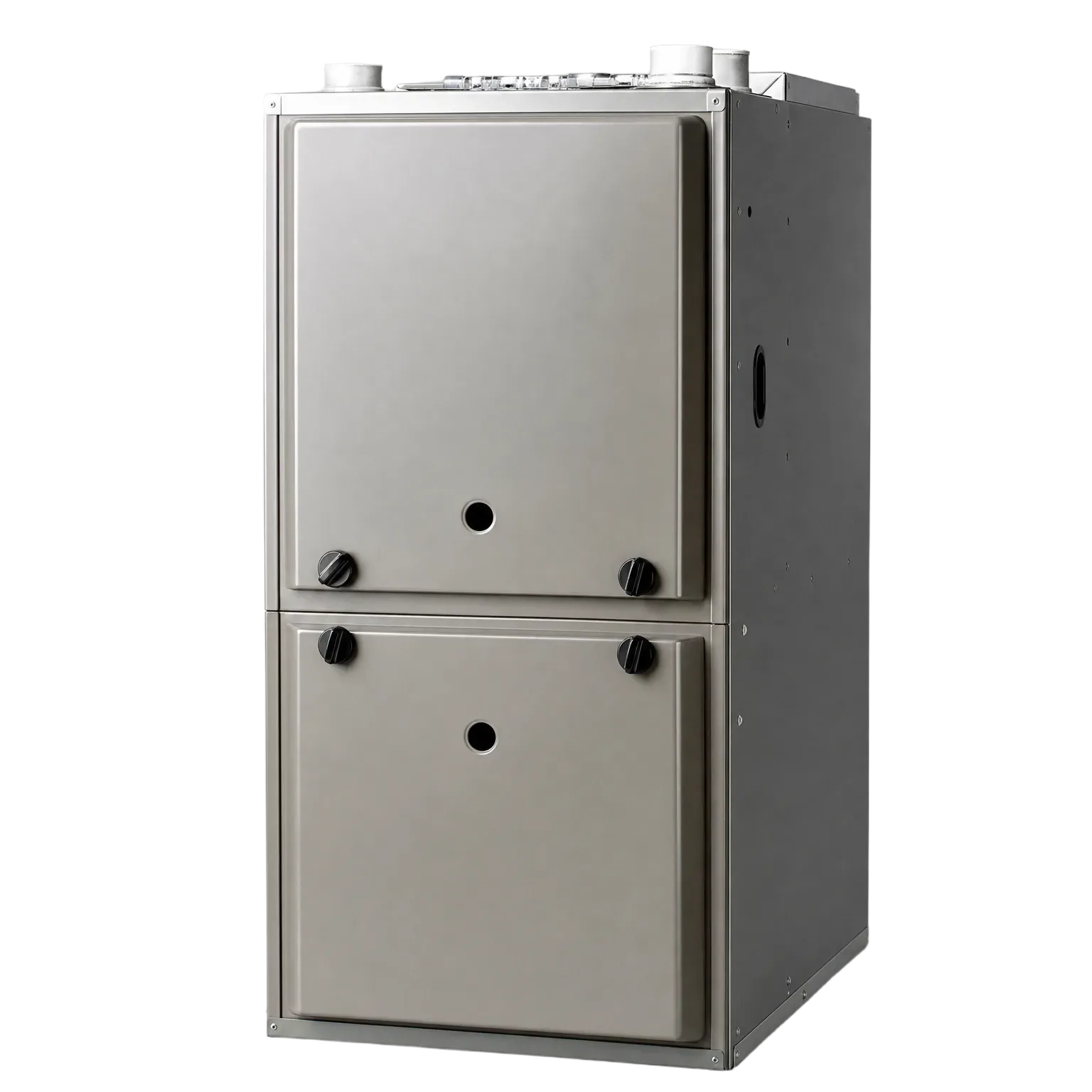
Before you get your furnace repair
You're calling around, explaining the same cold-air problem each time, and waiting on callbacks while the house sits at 58 instead of 68.
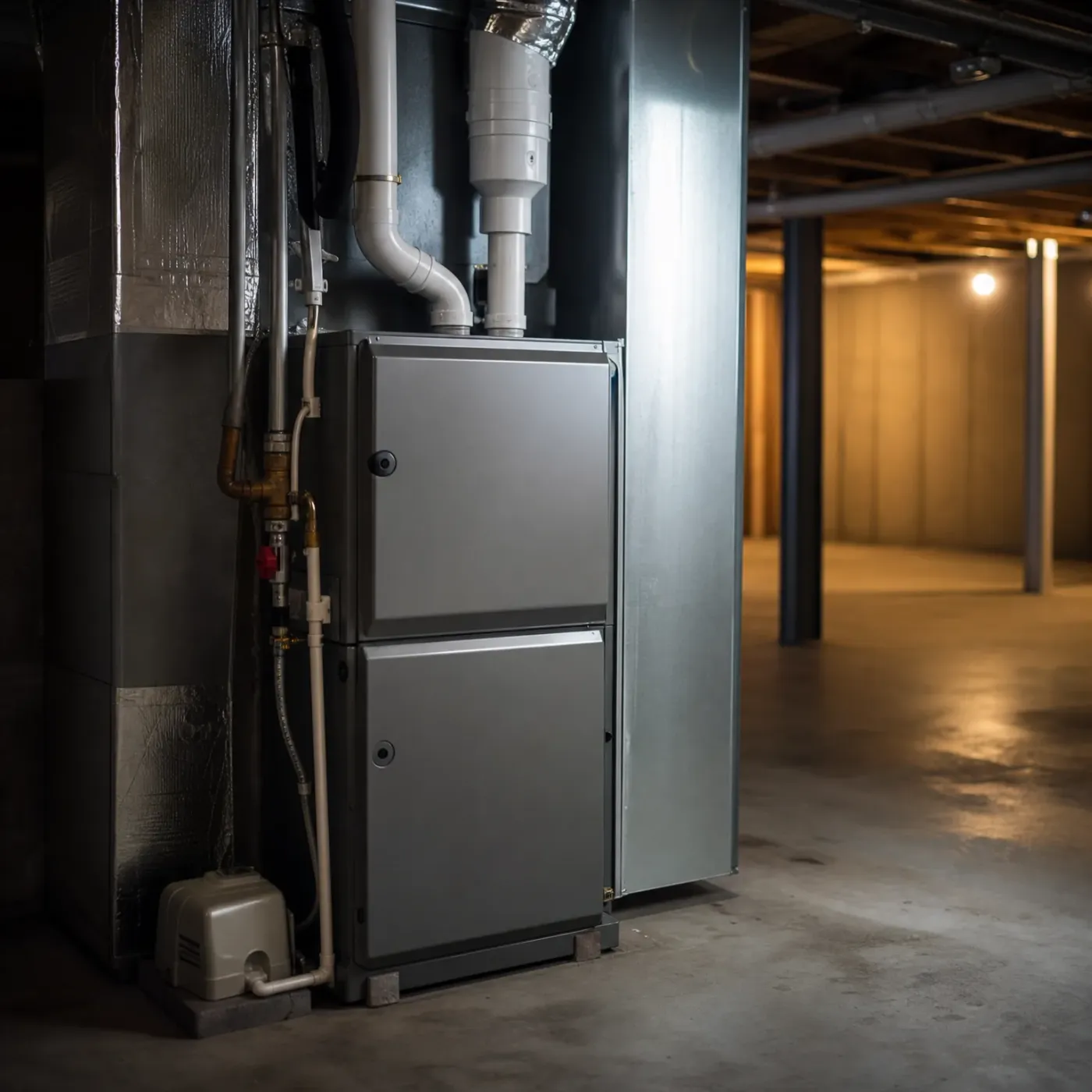
It's off your list after this
Cold air coming out of the vents in the middle of a Johnson County winter usually means the furnace is trying to run but something is stopping it partway: a pilot or igniter problem, a thermostat set wrong, or airflow trouble from a dirty filter. This page walks through what that points to and gets you to someone who can look at your furnace directly, so you're not stuck calling around to find them yourself.
Send it todayA furnace blowing cold air usually means it is running the blower but not making heat. Check the thermostat fan setting first. If it is set to "on" instead of "auto", the blower runs all the time, even between heat cycles, and pushes room-temperature air through the vents. If the fan is set right, the problem is likely the burners never lighting: a bad igniter, a flame sensor that shuts the gas off, or a dirty filter that starves the system of airflow and trips a safety switch before the heat exchanger warms up. With Johnson County winters, a furnace stuck blowing cold air will not keep a house warm for long once temperatures drop below freezing. Some of these problems are a quick fix. Others point to a part that needs replacing before the furnace will heat again.




A gas furnace has to prove several things to itself before it lights, and each start is another chance for one of them to fail. The inducer motor has to pull exhaust first, or the control board never calls for ignition at all. Once the igniter glows, the flame sensor has to see fire within a few seconds. If residue has built up on that sensor, it can't tell a real flame from no flame, and the board shuts the gas valve down even though the burners lit fine. A limit switch adds another way to end up with cold air moving: if the heat exchanger runs hotter than it should, the switch cuts the burners but leaves the blower on, so air keeps moving through vents with nothing heating it. None of this is rare. A furnace runs through the whole sequence every time it starts, and in a Johnson County winter that can mean several times a day. A part that's close to worn out usually shows it now, not in April.
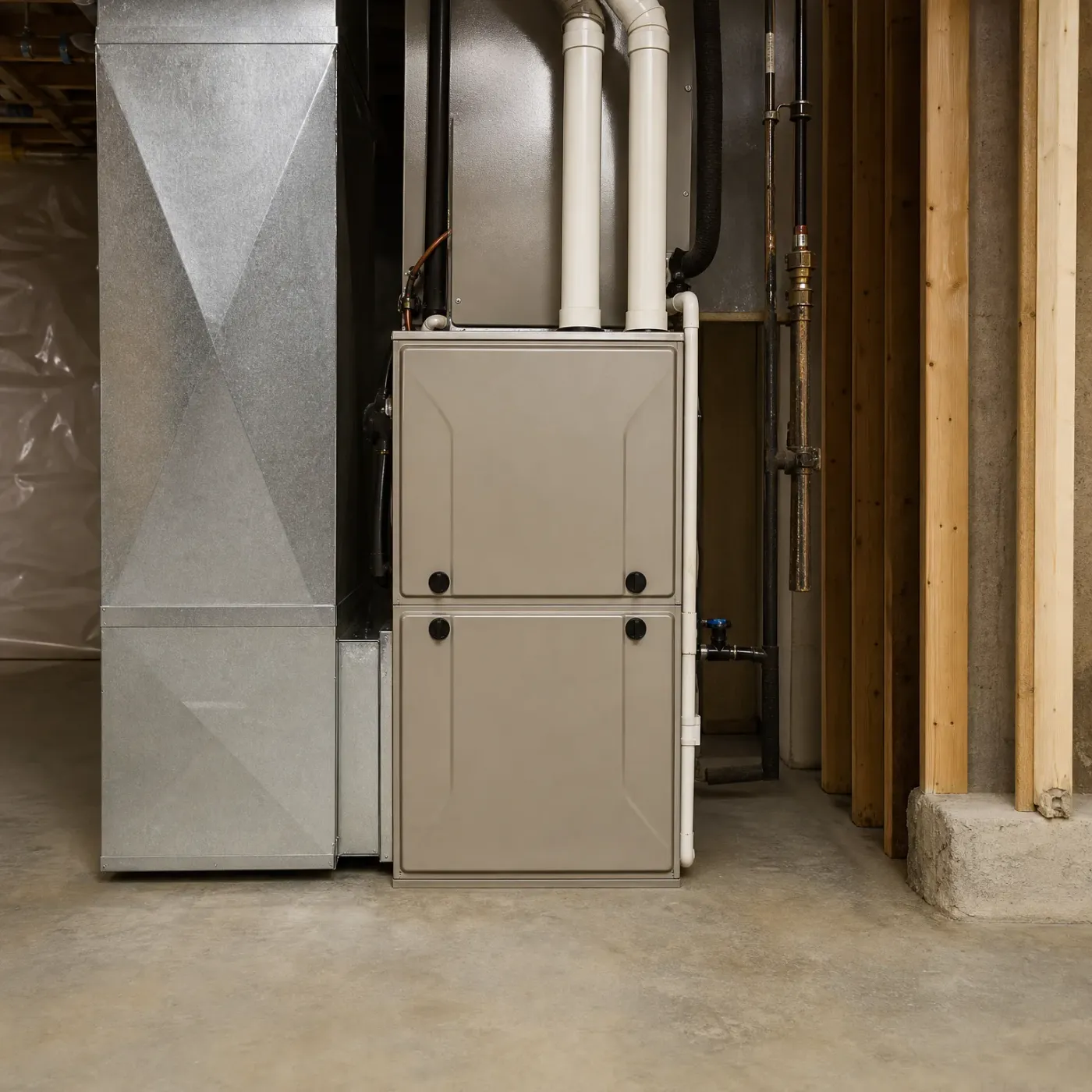
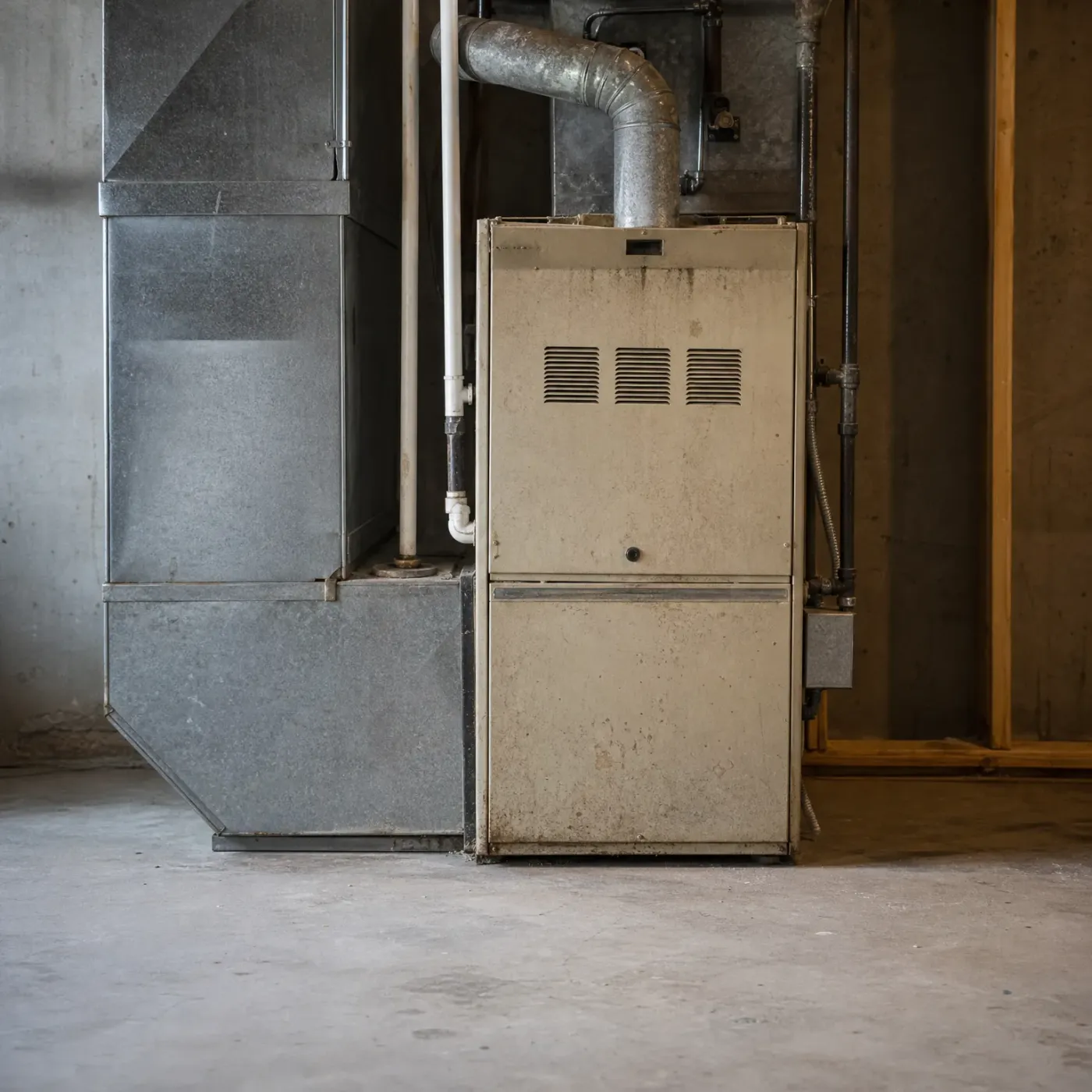
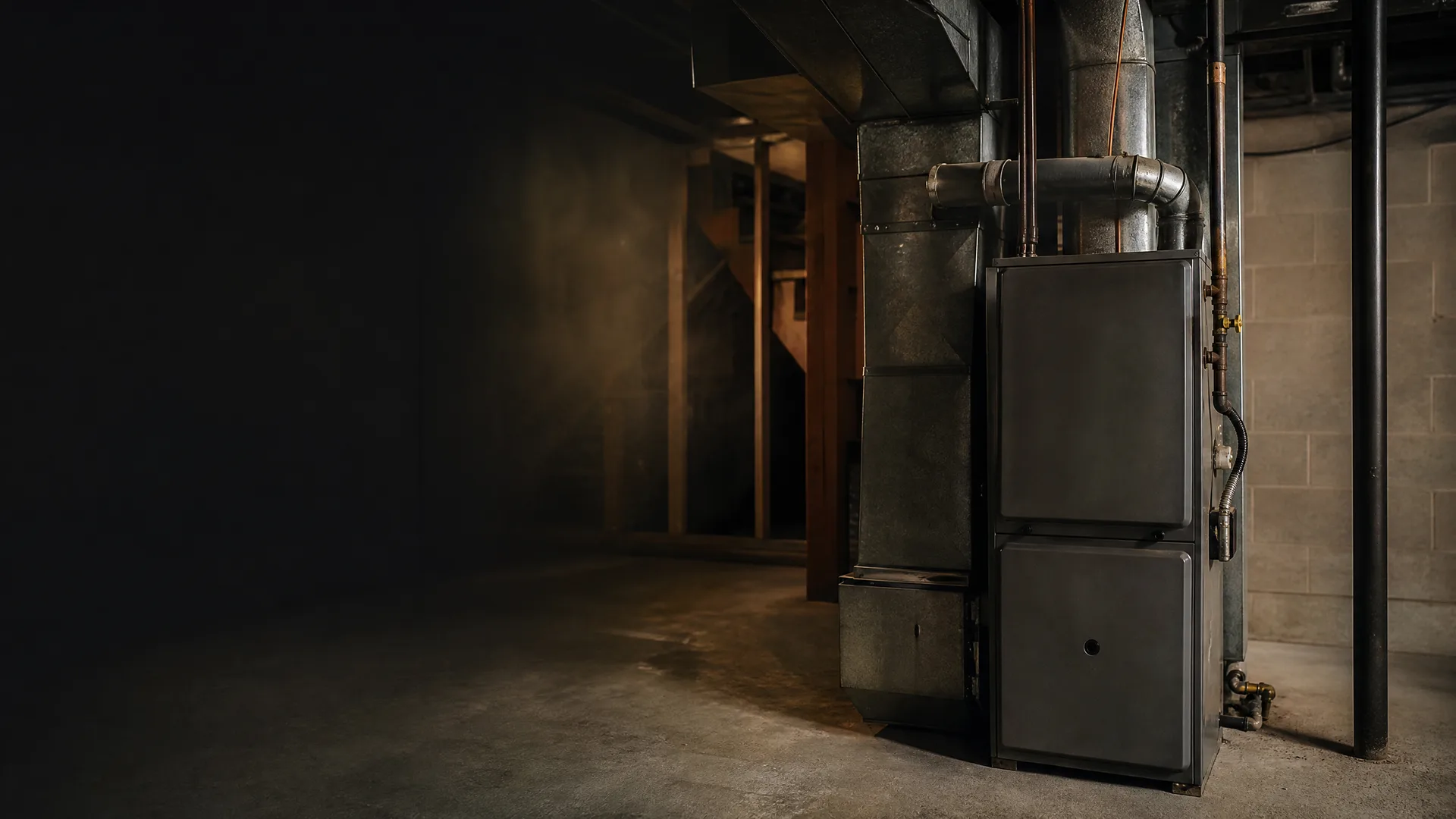
You go down to check the thermostat around seven, after you notice the air from the vent in the living room isn't warm anymore. The basement is cold, colder than it should be with the furnace supposedly running. It sits there dark. No blower sound, no burner glow through the view port, nothing. A little dust hangs in the air by the cabinet, stirred up from when you tapped the side of it to see if that would do anything. It won't. Outside it's November in Johnson County, already down near freezing, and the house is going to feel it within the hour if nothing changes down here.
Walk through the rooms and check what you're actually feeling. The air from the vents feels cool or barely lukewarm, not warm like it should. Rooms farthest from the furnace, upstairs bedrooms, the room over the garage, get cold first and stay cold longest. You might hear the blower running steady with no burner sound under it, or hear it click on and off every few minutes without ever catching. Some furnaces click a few times, then go quiet altogether. With a hard Johnson County winter outside, a furnace that runs without heating lets pipes near outside walls sit in cold air for hours, and a basement that's colder than usual is often the first sign something past the thermostat is wrong.


Describe what your furnace is doing once, in one form.
Asking costs nothing, and the choice to hire stays yours.
A gas furnace locks out after a certain number of failed ignition attempts, usually three to five tries in a row. Each attempt runs through the same sequence: the inducer motor spins up, the igniter heats, gas opens, and the flame sensor looks for a flame. If any step fails, the control board stops that attempt and tries again. After the last failed try, the board shuts the whole system down and waits for someone to reset it, either by flipping the furnace switch or cutting power at the breaker for a few seconds. Until that reset happens, the thermostat can call for heat all day and nothing will fire.
A locked-out furnace is quiet. No blower, no burner sound, no flicker of light near the viewing window on the burner compartment. Some control boards flash an error code on a small light inside the furnace, a pattern of blinks that corresponds to a specific fault. That code is worth writing down before resetting power, since it points to which step in the ignition sequence failed. Resetting clears the lockout and lets the furnace try again, but if the same part caused the failure the first time, it will fail the same way on the next attempt and lock out again.
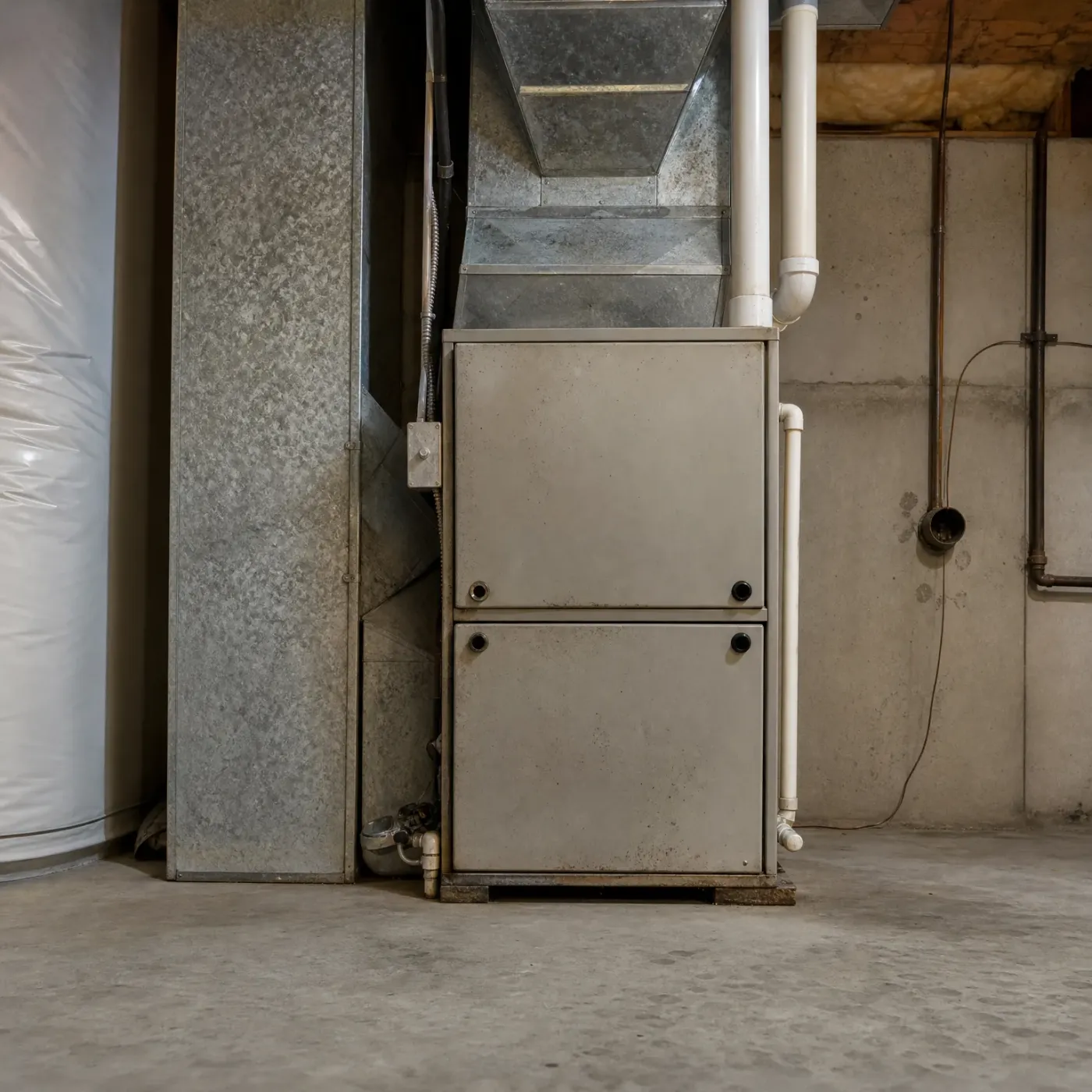
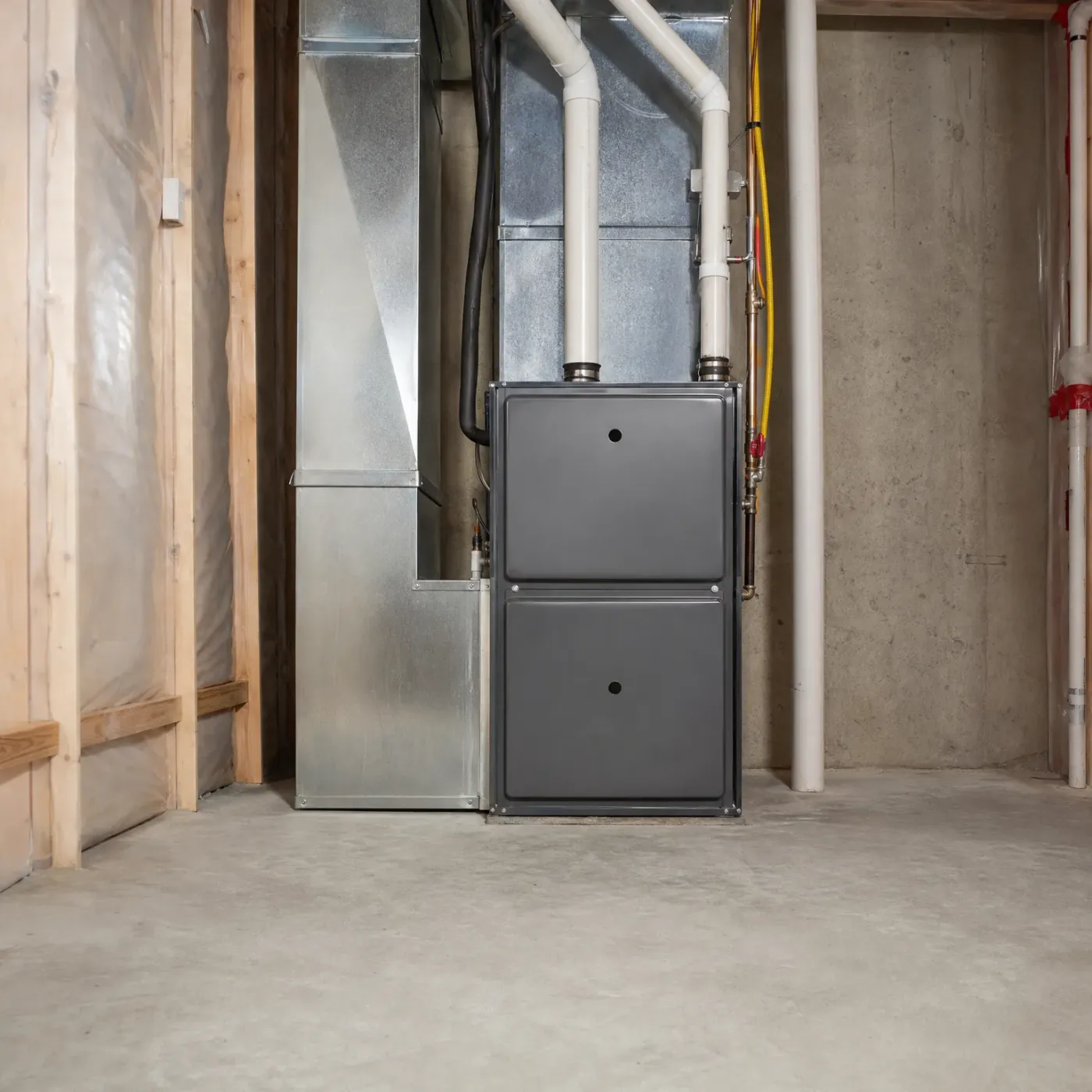
You're calling around, explaining the same cold-air problem each time, and waiting on callbacks while the house sits at 58 instead of 68.
You send one form and stop being the one who has to track down a contractor. Someone handles getting the furnace looked at.
At 16°F outside, your furnace cannot take a break. It has to catch an ignition failure or a stuck inducer within minutes, not days, or the house starts losing ground fast on a night that cold.
NOAA nClimDiv 1991-2020

A furnace blowing cold air is the blower running without a flame behind it. Sometimes that's the fan setting on the thermostat. Sometimes it's an inducer that won't prove, an igniter that won't glow hot enough, or a furnace that tried three or four times and locked itself out. Either way, the house keeps losing ground until something fixes the part that's stopping the heat call partway through.
You don't have to figure out which one it is before you get help. Send the form and you're done hunting down contractors, done explaining the same cold vents and cold basement to a third person on the phone, done sitting on a callback that may or may not come. One form, and finding someone to look at the furnace stops being your problem to carry.

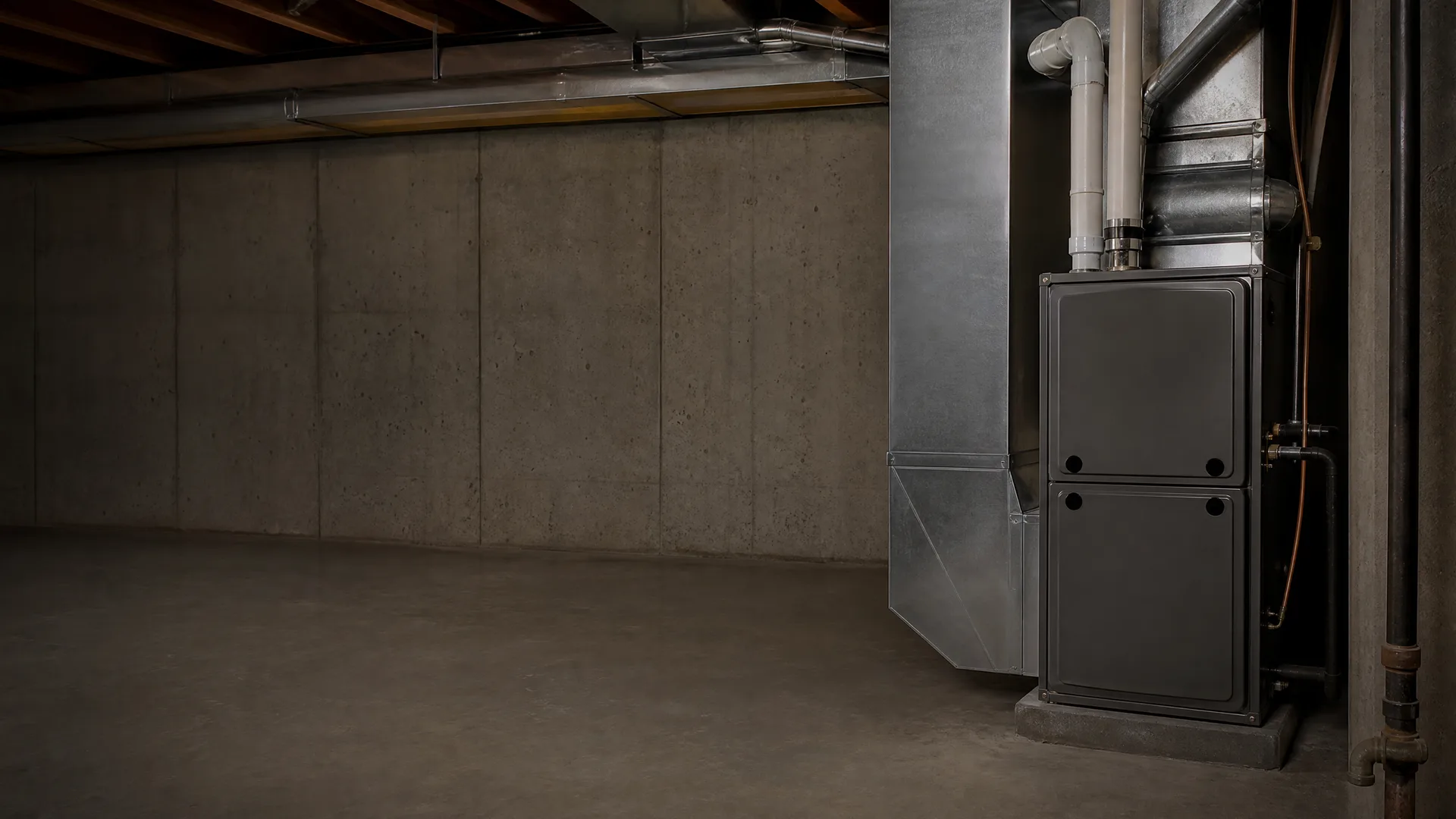
Describe your furnace job once, to one pro.