Furnace won't turn on in Iowa City, IA

Step 1 of 3: Equipment

A furnace that won't turn on usually comes down to power, gas, or a safety switch that tripped. Check the thermostat first, make sure it's set to heat and has power, since a dead battery looks the same as a furnace problem from where you're sitting. Next check the breaker, furnaces run on electricity even though they burn gas, and a tripped breaker will shut the whole thing down cold. If those are fine, look for a flashing light on the furnace itself. Most newer units blink an error code through a small window, and that code points to what failed, often the igniter or a safety switch. Winters in Johnson County are hard, and a furnace that won't start on a cold night isn't something to leave for later. If the basics check out and it still won't run, the problem is inside the unit, and that's a job for someone who can open it up and test the parts directly.

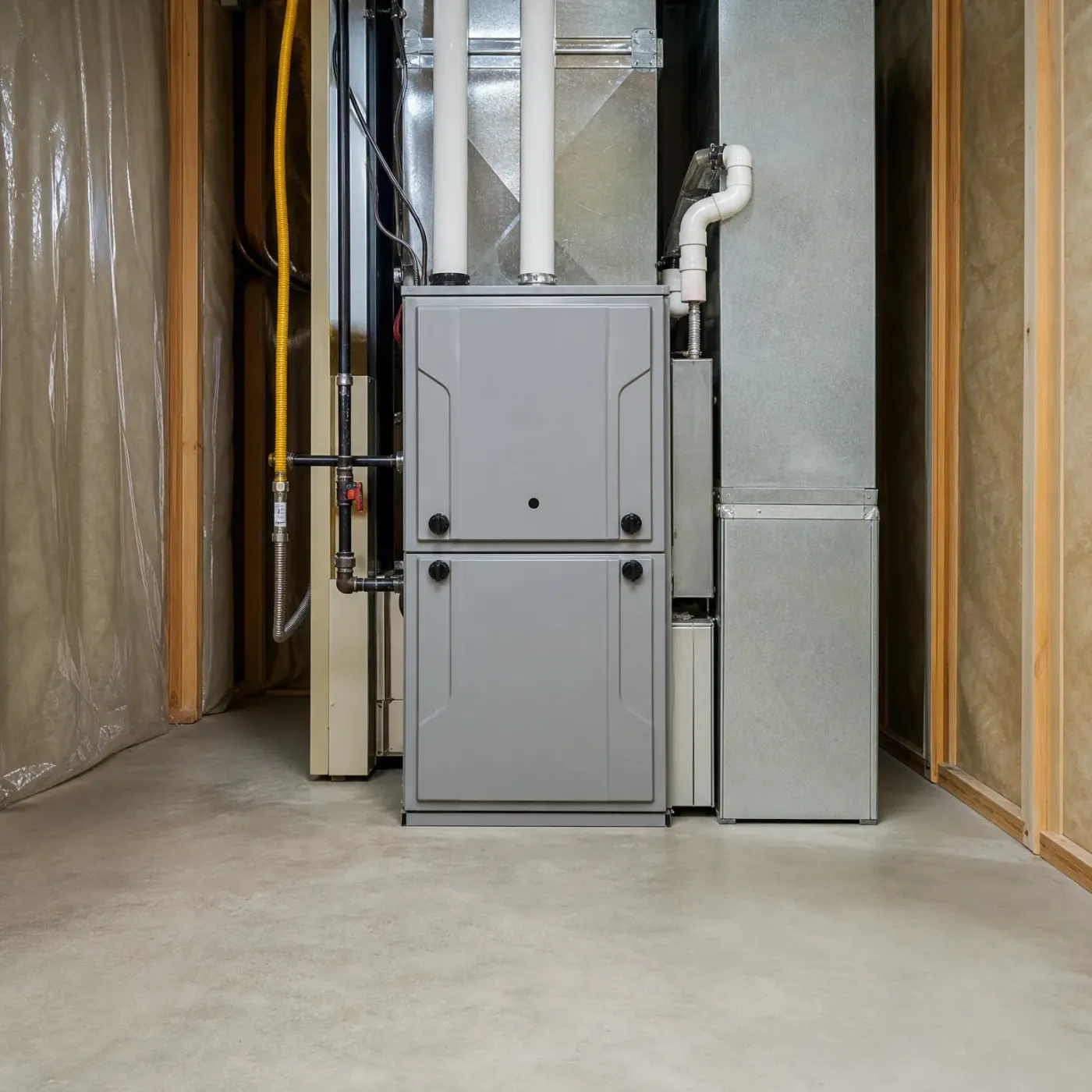
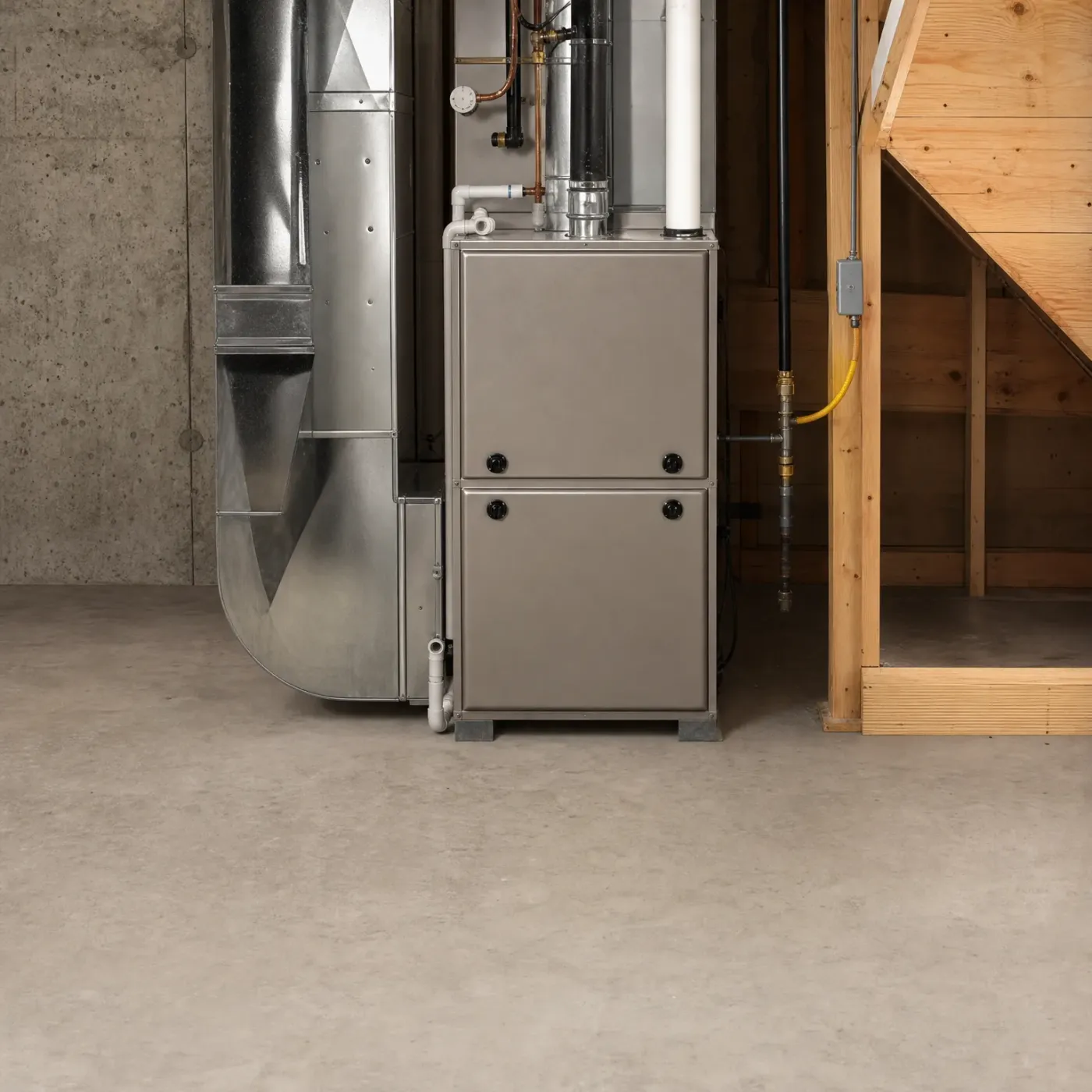
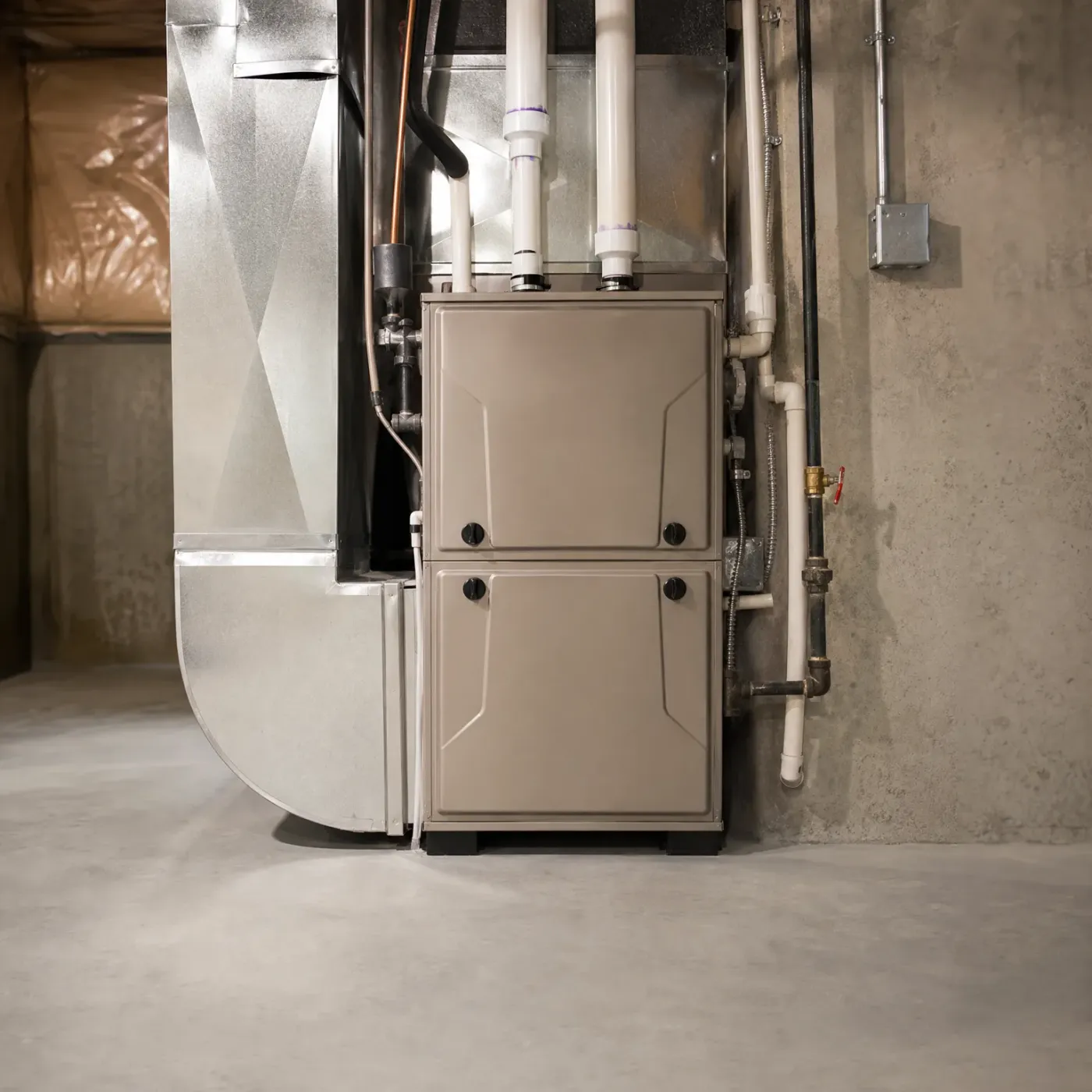
A beige high-efficiency furnace stands on a concrete basement floor beside sheet-metal ductwork, with white PVC vent pipes, flexible conduit and copper and steel piping running up a concrete wall to an electrical box.

When it's running right

A working furnace cycles on, runs its blower, and warms the house without you thinking about it. The flue pipes stay clear, the gas line connections stay tight, and the igniter lights the burners every time the thermostat calls for heat.
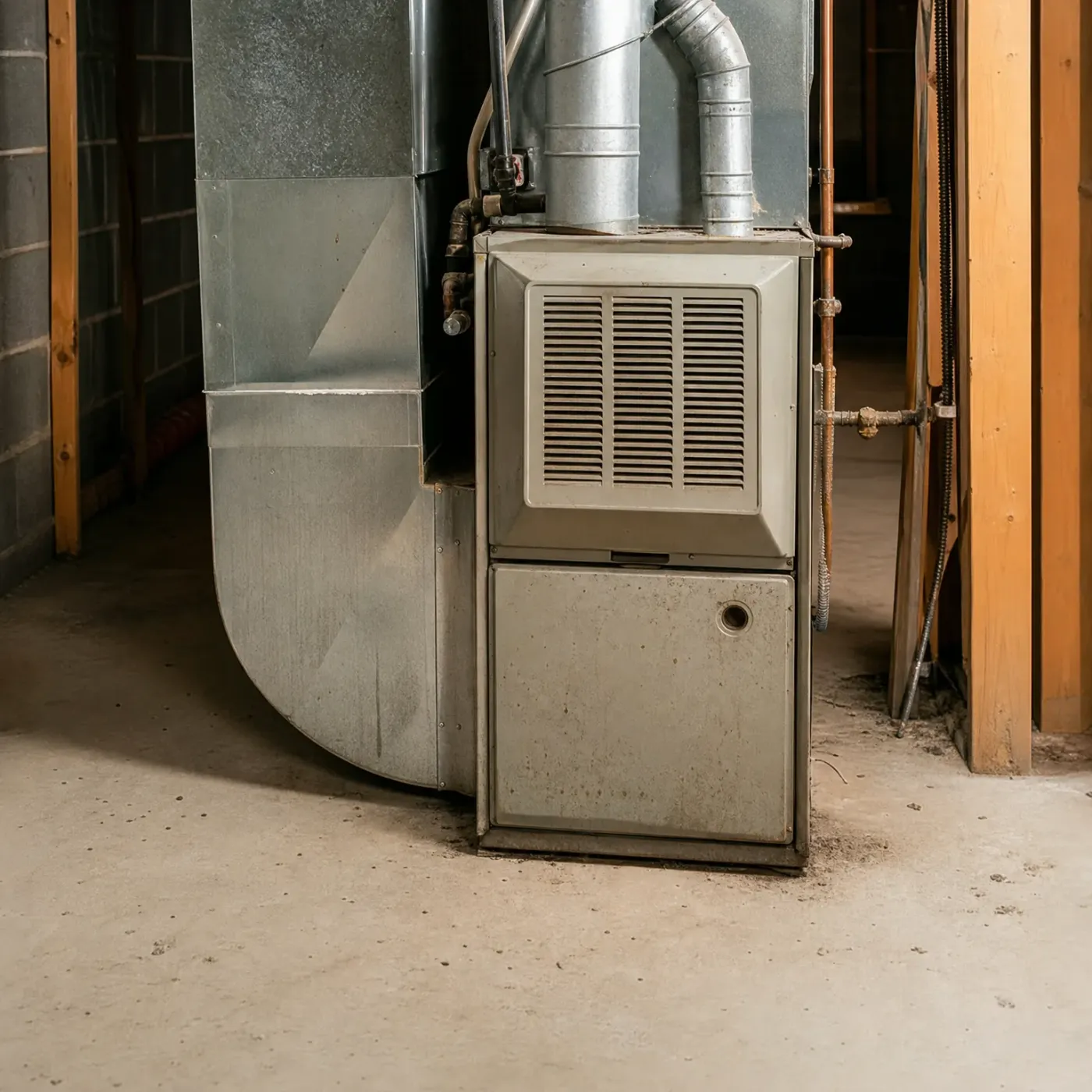

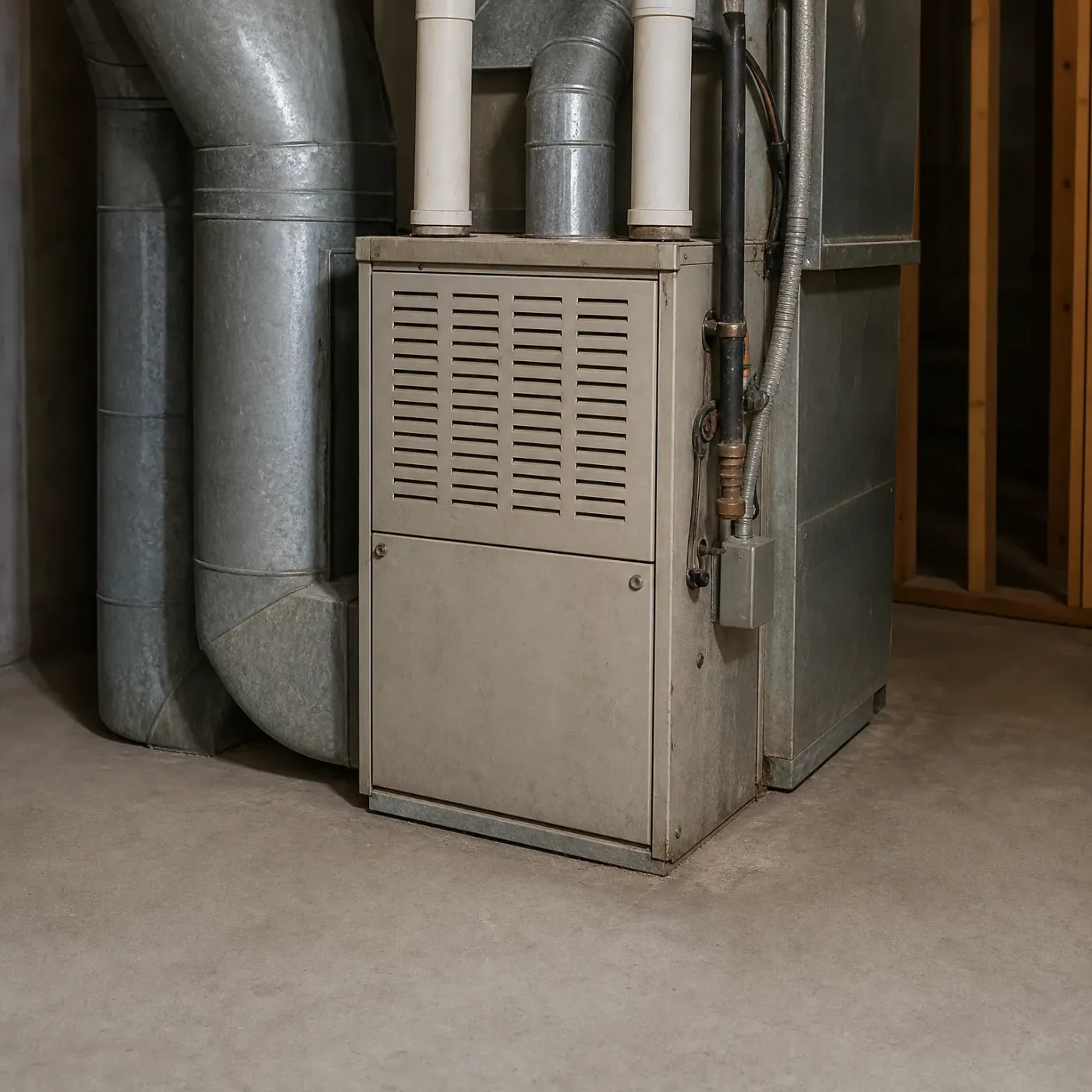
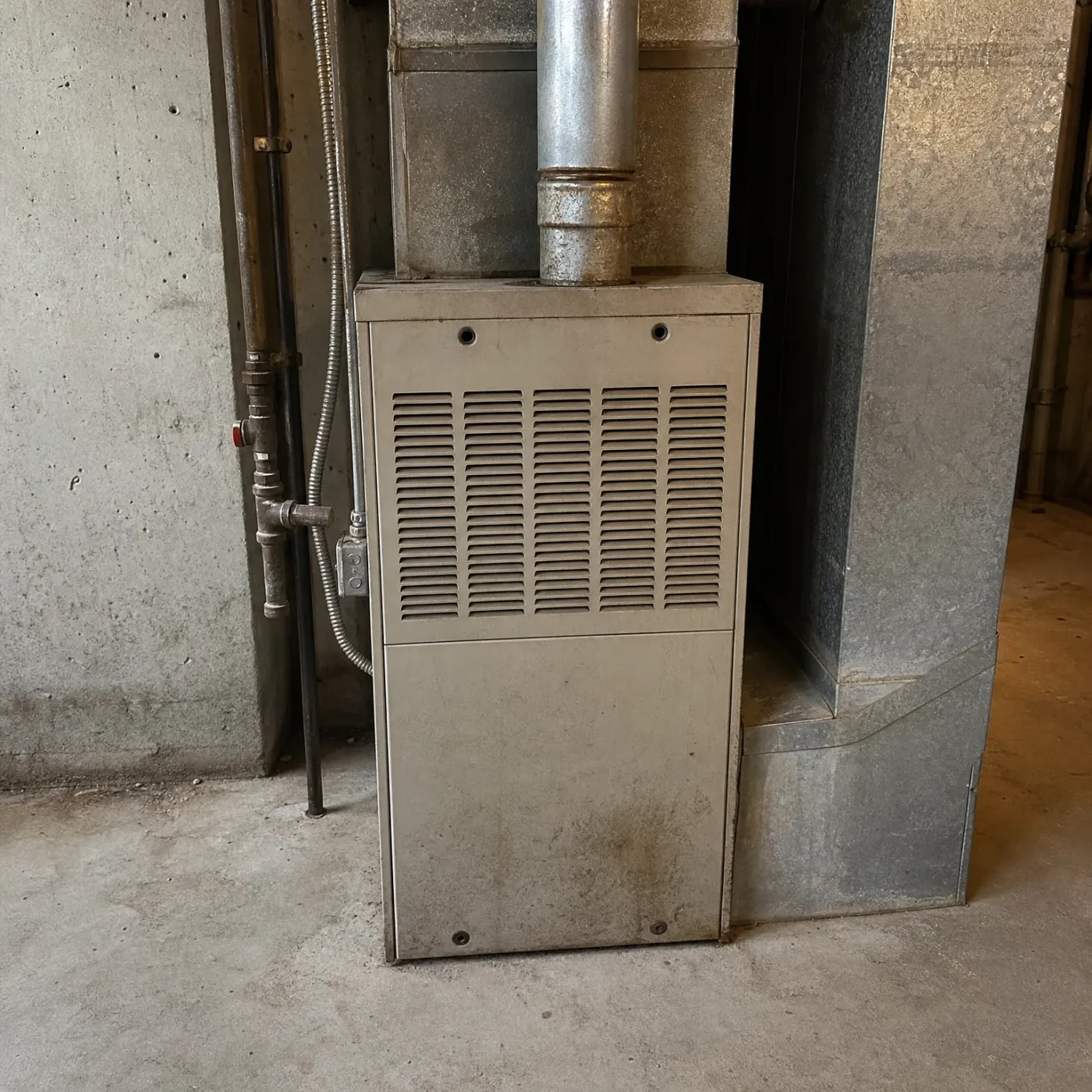
An older gas furnace with a louvered front panel stands on a concrete basement floor beside large sheet-metal ductwork, a metal flue pipe, copper piping and wood framing.

When something's wrong

Dust built up around the base, a flue pipe that's loose, or corrosion on the gas line can all keep an older furnace from starting. If yours sits unused for stretches between cold snaps, problems like these can go unnoticed until the night you need the heat.

Why does a furnace problem in Johnson County hit so hard, so fast?

  • Winter nights average 16°F

    Overnight lows averaging 16°F mean a furnace that won't start can turn a house cold well before morning.

  • Heat runs October through May

    Heat runs here from October through May, so a furnace that quits has little stretch of the year where it doesn't matter.

  • 63.3% of homes heat with gas

    63.3% of homes in Johnson County heat with gas, so a furnace that won't ignite is almost always a gas or ignition problem, not electric heat.

NOAA nClimDiv 1991-2020 · ACS 2020-2024

Why the igniter fails first

Most gas furnaces now use a hot surface igniter instead of a standing pilot light. It's a small ceramic strip that glows to light the burners each time the thermostat calls for heat. That strip heats and cools every cycle, and over hundreds of cycles it gets brittle and cracks. When it cracks, the furnace won't light at all, and you'll usually see the blower run with no heat behind it. A furnace that cycles on and off all winter in Johnson County puts real wear on that part. It's one of the more common reasons a furnace won't start, and it's not something you can see by looking at the furnace from across the room.

What a tripped switch tells you

Furnaces have a safety switch on the door panel that cuts power if the door isn't seated right. There's also a limit switch that shuts the furnace down if it's overheating inside, often from a clogged filter restricting airflow. Neither of these is damage. They're the furnace doing what it's built to do when something upstream isn't right. If the door was recently off for a filter change and the furnace won't start now, that's worth checking before anything else. A furnace that shuts itself off is telling you something specific, and a contractor who sees this every winter can usually read which switch tripped and why within a few minutes.

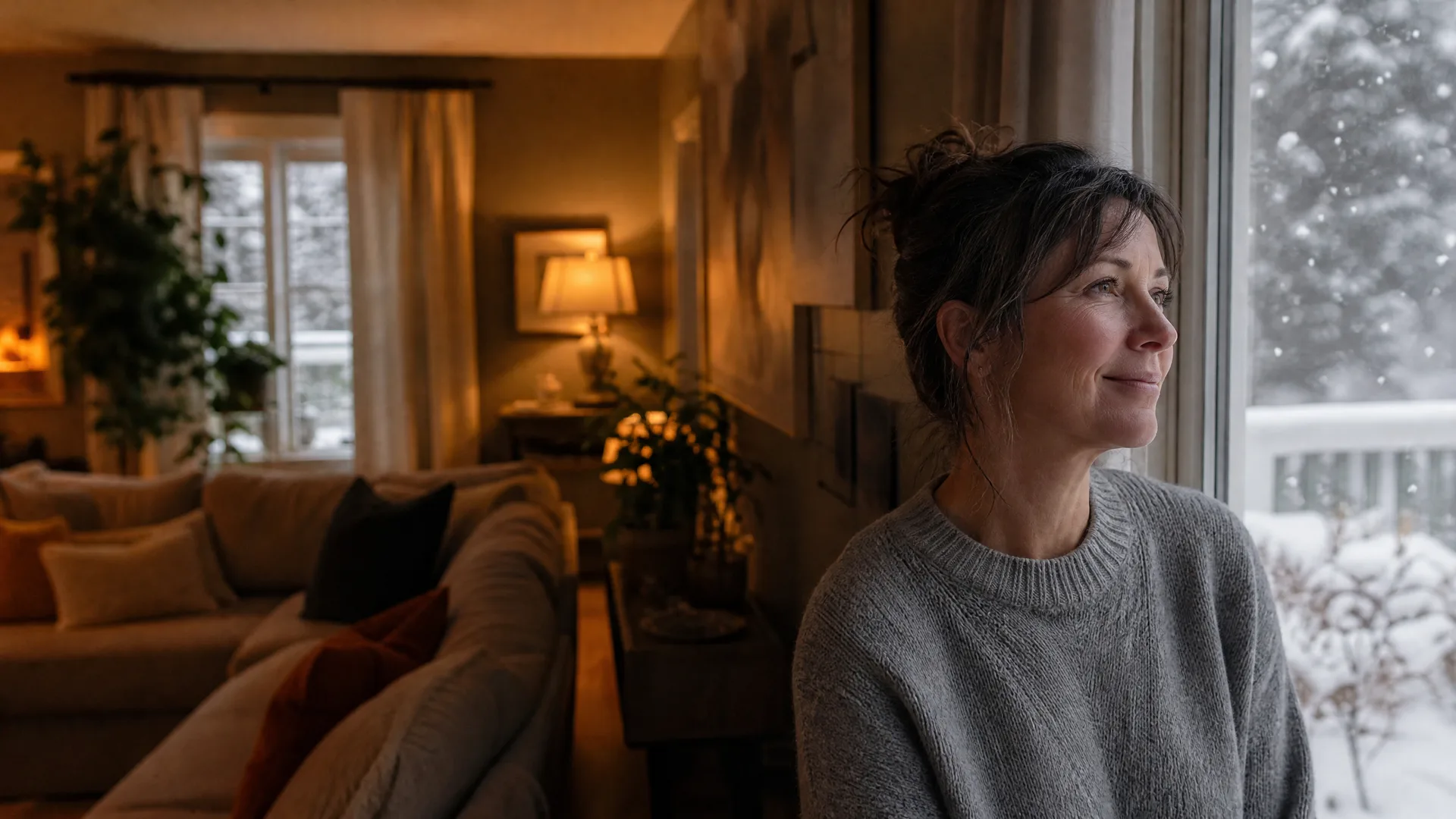
A woman in a gray turtleneck sweater stands by a window looking outside at snowy ground, with a dimly lit living room containing a sofa, shelves, lamp and a lit candle behind her.
A woman in a cream cable-knit turtleneck sweater stands in a warmly lit living room with a fireplace and shelves behind her, looking out a window toward snow-covered trees and a railed deck.
A woman in a cream knit turtleneck sweater stands by a window looking out at snow, with a lit fireplace, sofa and lamp in the room behind her.
A woman in a gray knit sweater sits by a window looking out at falling snow, with a dimly lit living room containing a sectional sofa, pillows, a lamp and houseplants behind her.

16°F outside, no heat inside

Johnson County nights drop into the teens all winter. A furnace that sits dead for even a few hours lets a house lose heat fast, especially with no backup source running.

Find a licensed furnace pro

A frozen or cracked pipe

No heat for long enough and the pipes along outside walls are the first thing to go. A local contractor who works on furnaces all winter can get it running before that happens.

Find a licensed furnace pro

What are you noticing right now in your house

The thermostat shows a call for heat, but nothing happens. No whoosh of the blower, no click from the igniter, no warm air at the vents. Maybe you hear a faint click or hum and then silence, which usually means the furnace is trying to start and can't. The house feels the same temperature as an hour ago, then a little cooler. If it's been off long enough, you might notice the air coming from the vents is actually cold, or a musty smell as the system sits idle. Left alone overnight with lows in the teens, pipes along outside walls are the first thing at risk once the house itself starts losing heat.

  1. Thermostat calls for heat and sends power to the control board.

  2. Inducer motor starts and pulls air through to clear the flue.

  3. Pressure switch confirms draft before gas is allowed to flow.

  4. Hot surface igniter heats up to light the burners.

Check It Yourself, or Call Now

Call someone now

  • A furnace that won't fire at all, even after you've checked the thermostat and the breaker, usually means a part has failed and needs a trained hand.
  • A flashing light code on the control board points to a specific fault, but reading it right takes knowing that furnace's board.
  • If you smell gas or hear repeated clicking with no ignition, shutting off the gas valve and getting a technician out is the safer move.
  • Overnight lows in the teens don't leave much room to experiment, since a house here can lose its heat fast with nothing running.
  • A local contractor who works on furnaces all winter has likely seen your model's common failure before and carries the part on the truck.

Try it yourself first

  • Check that the thermostat is set to heat, has power or fresh batteries, and is actually calling for a temperature above room level.
  • Look at the furnace switch, which resembles a light switch near the unit, and make sure it hasn't been bumped off.
  • Check the breaker panel, since a tripped breaker will cut power to the furnace without any other warning.
  • Open the furnace door and make sure it's seated and latched, since most furnaces won't run with the panel off or loose.
  • Check the filter, because one that's badly clogged can cause the furnace to shut itself down as a safety measure.
  • If the pilot or igniter area looks fine and the furnace still won't start, further digging usually means opening the control board.
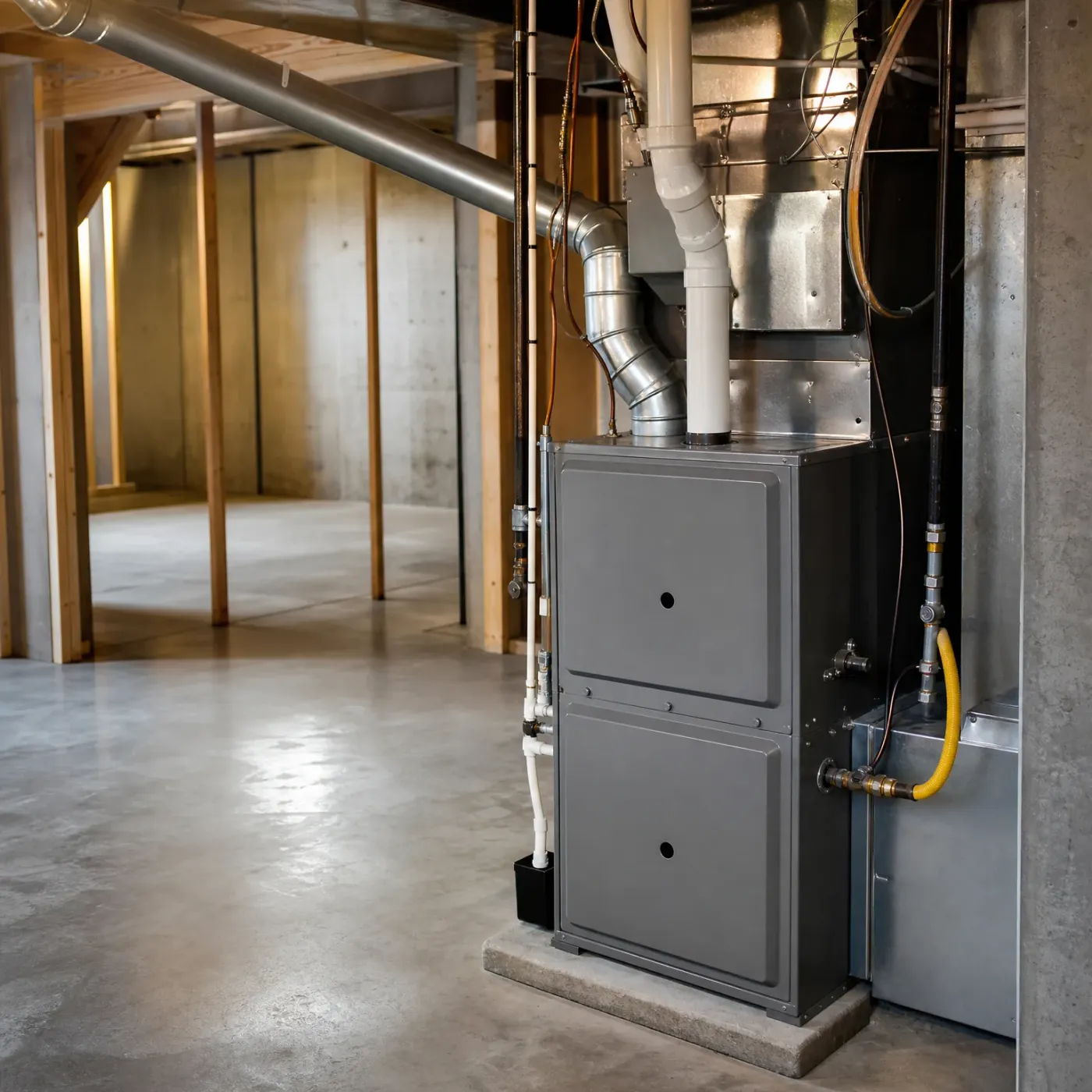
A gray high-efficiency furnace with white PVC vent pipes stands in an unfinished basement beside sheet-metal ductwork, gas piping, and insulated stud walls on a concrete floor.
A furnace running right fires on the first call, and the burners stay lit through the whole cycle without you giving it a second thought.
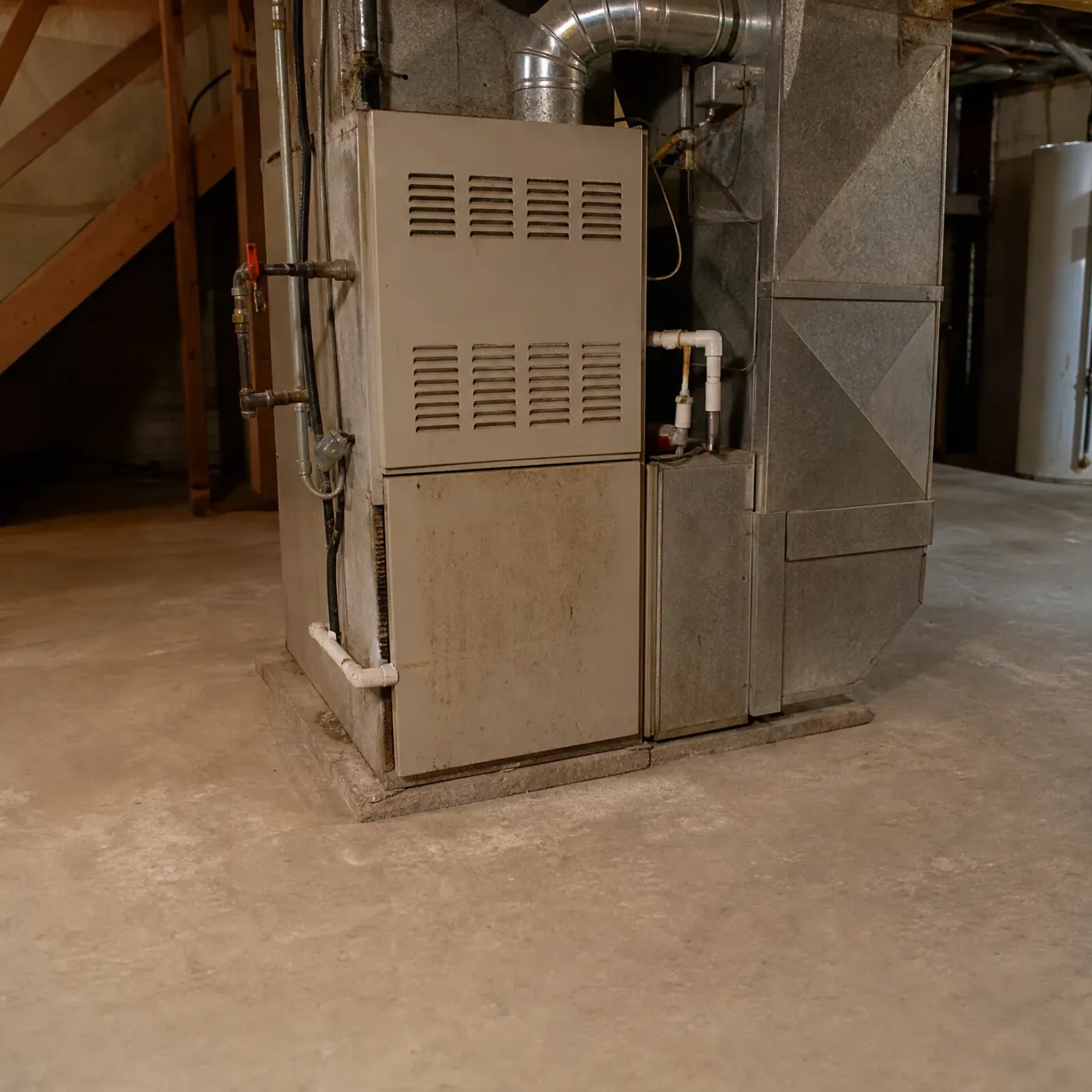
A beige sheet-metal furnace with a louvered upper panel stands on a concrete basement floor, connected to galvanized ductwork, white PVC vent pipes, and a metal gas line with an electrical box.
A furnace in trouble sits cold and silent, with ductwork and gas lines that look fine but aren't getting what they need to start.
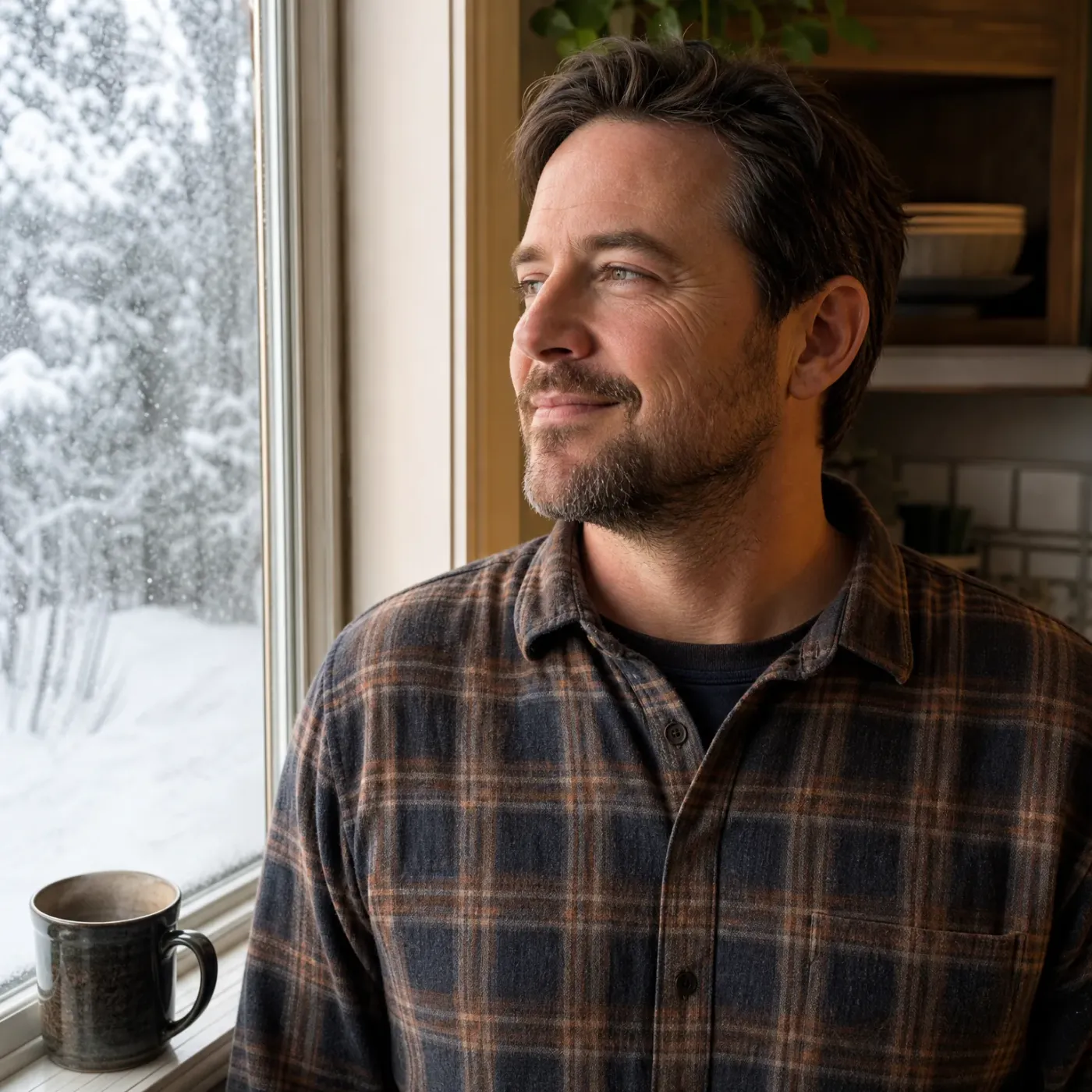
A bearded man in a blue and brown plaid flannel shirt stands indoors looking out a window at snow-covered trees, with a ceramic mug on the windowsill.
A man in a blue T-shirt sits on a light gray sofa, laughing while looking at an open laptop in the foreground, with a framed picture, lamp and potted plant behind him.
A gray gas furnace on a concrete pad in an unfinished basement, connected to sheet-metal ductwork, white PVC venting, and a yellow gas line, with concrete walls and wood framing in the background.

Get your furnace to the right pro

A licensed pro who repairs furnaces in Johnson County gets your request.

Get matched with a pro who fixes furnaces in Johnson County.

Get one local pro

No fee to send it, and nothing to sign.

Winter nights average 16°F

At 16°F, which is a typical overnight low here in December and January, a house with no furnace running cools off fast. Pipes along outside walls are the first thing at risk once the rooms around them go cold.

NOAA nClimDiv 1991-2020

You wait until morning to call. The house holds some warmth overnight if it's insulated well, but by the time you're up the rooms are cold, the pipes along outside walls have been sitting cold for hours, and you're starting the day looking for a contractor instead of already having one on the way.

You call as soon as you notice it. A furnace that won't start at 9 p.m. gets looked at before the house drops much, pipes stay out of danger, and you're not troubleshooting a bigger problem in the morning on top of the original one.

An older gas furnace with louvered panels sits on a concrete pad in a basement, connected to sheet-metal ductwork and PVC and metal pipes, with a water heater and wooden stair framing in the background.
Before you get your furnace repair
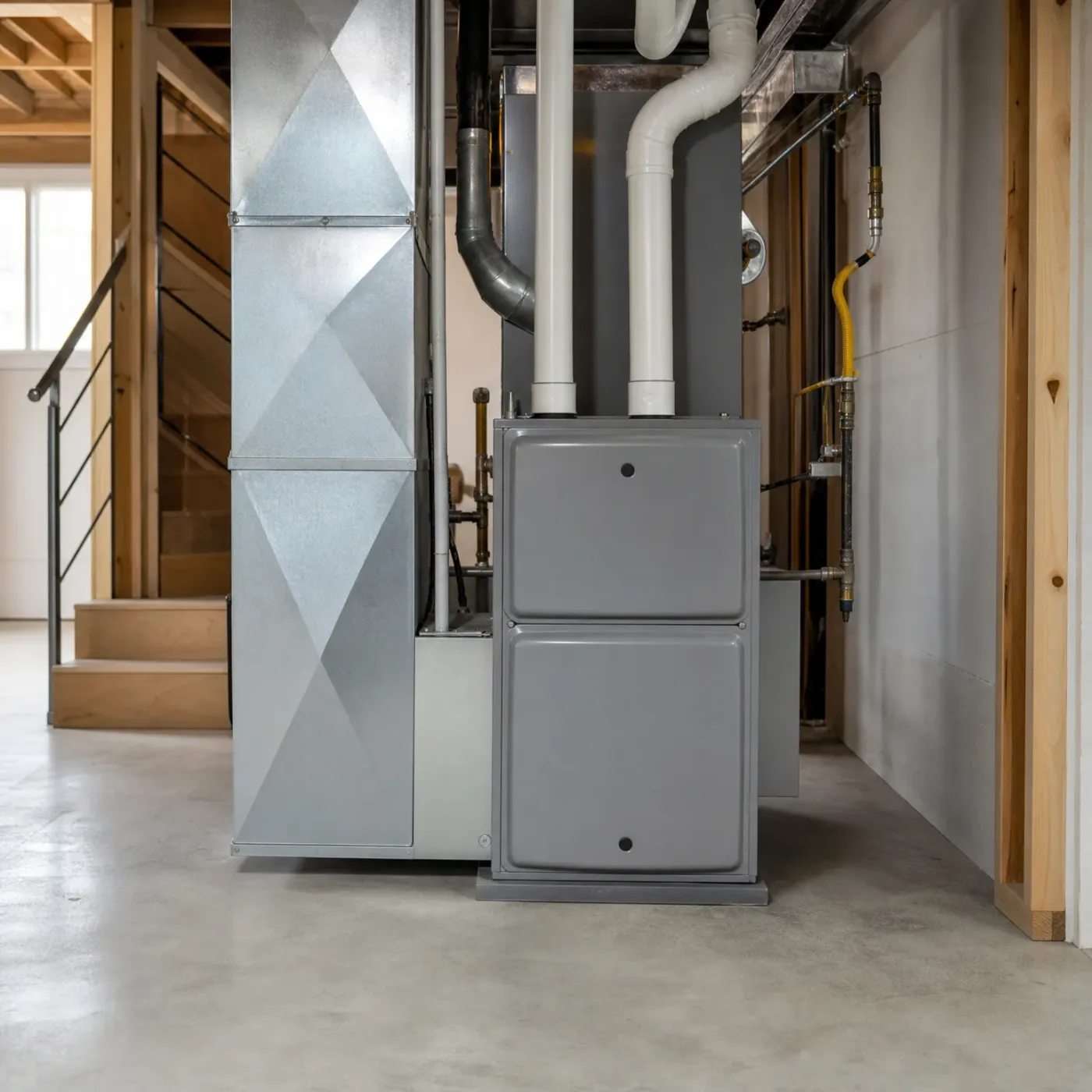
A gray high-efficiency furnace with white PVC vent pipes stands beside galvanized sheet-metal ductwork in a basement with a concrete floor, with a wooden staircase and railing at left.
After you get your furnace repair

Why won't my furnace turn on even though the thermostat is set right?

You've checked the thermostat. It's set to heat, the temperature is calling for warmth above room temperature, and the display is lit. Still nothing happens at the furnace. No blower, no igniter glow, no sound of gas lighting. At this point the thermostat is doing its job correctly, which means the problem has moved downstream, into the furnace itself or the circuit that feeds it.

The furnace itself has lost power, lost gas, or tripped a safety switch

A correct thermostat setting only confirms the call for heat is going out. What happens after that is on the furnace's side. Start at the breaker panel, since a tripped furnace breaker cuts power before any part of the sequence can start. Check that the switch on or near the furnace, the one that looks like a light switch, hasn't been bumped off. If the furnace has a standing pilot, look for the flame itself. If it has an igniter, a flashing light on the control board usually points to the exact fault, a stuck pressure switch, a blocked flue, or an igniter that no longer heats. Any one of these will stop the sequence cold.

A gray furnace with sheet-metal ductwork, PVC vent pipes and a yellow gas line stands on a concrete basement floor beside wooden stair framing.

Running the way it should

This is a furnace doing its job. Ductwork overhead carries the warm air out, the PVC flue vents exhaust gas outside, and the yellow line keeps gas flowing steady to the burners. Nothing here needs your attention, which is exactly the point.

An older gas furnace with a louvered front panel stands on a concrete basement floor beside galvanized sheet-metal ductwork, a metal flue pipe, gas piping and a flexible conduit along a concrete wall.

Sitting dead

Same kind of unit, same gas pipes and ductwork, but nothing is happening inside it. The connections look fine from the outside. Whatever stopped it, a tripped switch, a bad igniter, a closed valve, is hidden inside the cabinet where you can't see it.

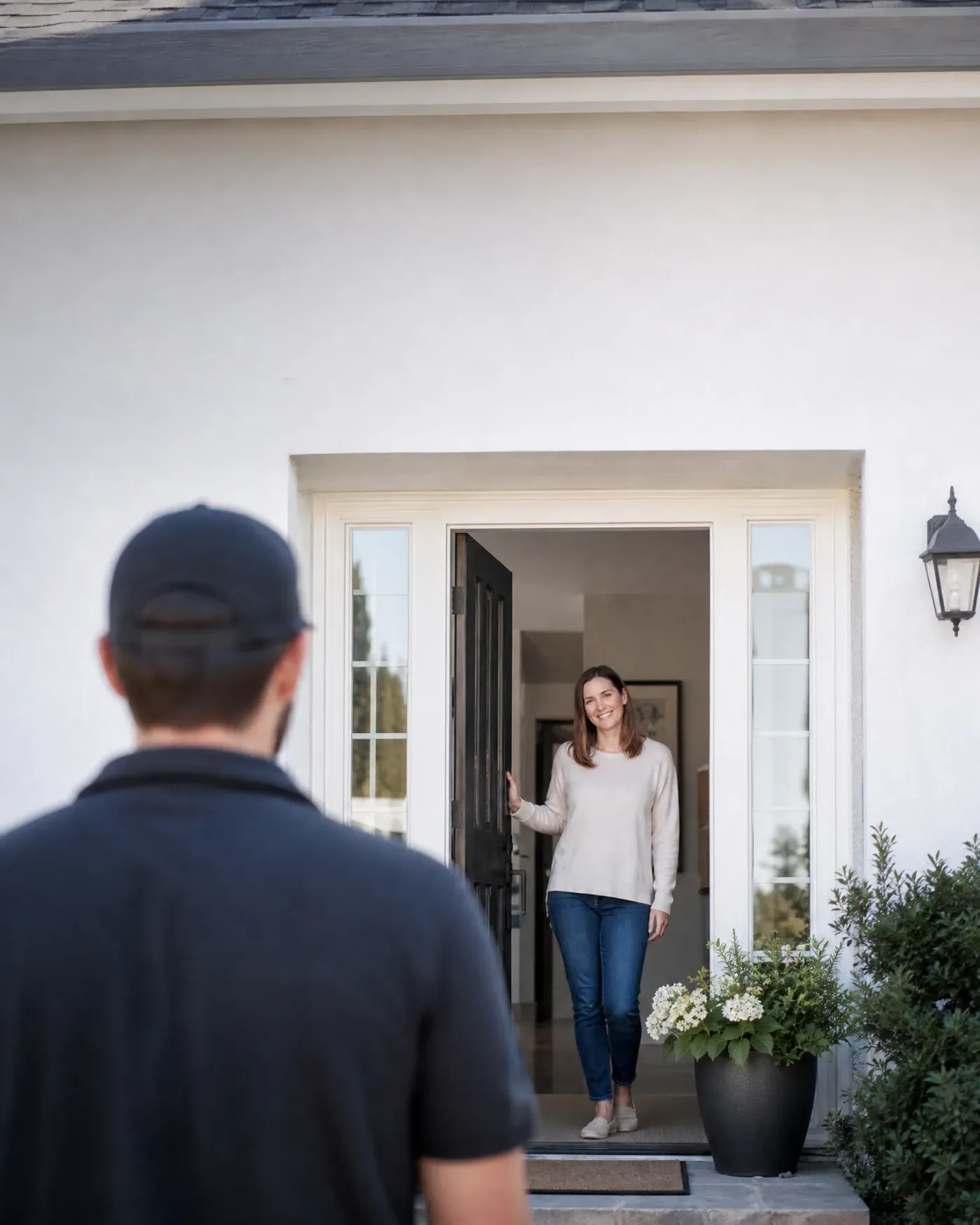
A woman stands in the open doorway of a white stucco house holding the dark door, facing a man in a black cap and shirt seen from behind in the blurred foreground, with a potted flowering plant beside the entry.

A furnace that won't start has a reason, and it's findable

Power, gas, or a safety switch. That's where this comes from most of the time, and a trained hand can usually tell which within minutes of looking at the unit. A flashing code on the control board, a clogged flue, a cracked igniter, these all point somewhere specific. You don't need to guess at it.

What you do need is someone who works on furnaces in Johnson County every winter and knows what tends to fail when nights sit in the teens. Get matched with a local, licensed contractor who takes your call and comes to look at your system, not three or four companies competing for the job. One contractor, reaching out to you directly about what's actually going on in your house.

Interior corner of a living room with a beige upholstered sofa and dark cushion in the foreground, a ceramic vase of leafy branches on a dark side table by a curtained window, a framed picture on the wall, and a wood-surround fireplace at right.
Close view of a dark standing-seam metal roof with a stone chimney and metal flue cap, overlooking a wide river, trees, and flat farmland under a partly cloudy sky.

Find a furnace repair pro in Johnson County

Find a licensed pro

Sending the form costs nothing.

A furnace that won't start doesn't fix itself by waiting. Someone local who works on these systems every winter can usually spot whether it's the igniter, the pressure switch, or something else within minutes. One contractor, matched to your situation, is a faster road back to heat than guessing on your own.