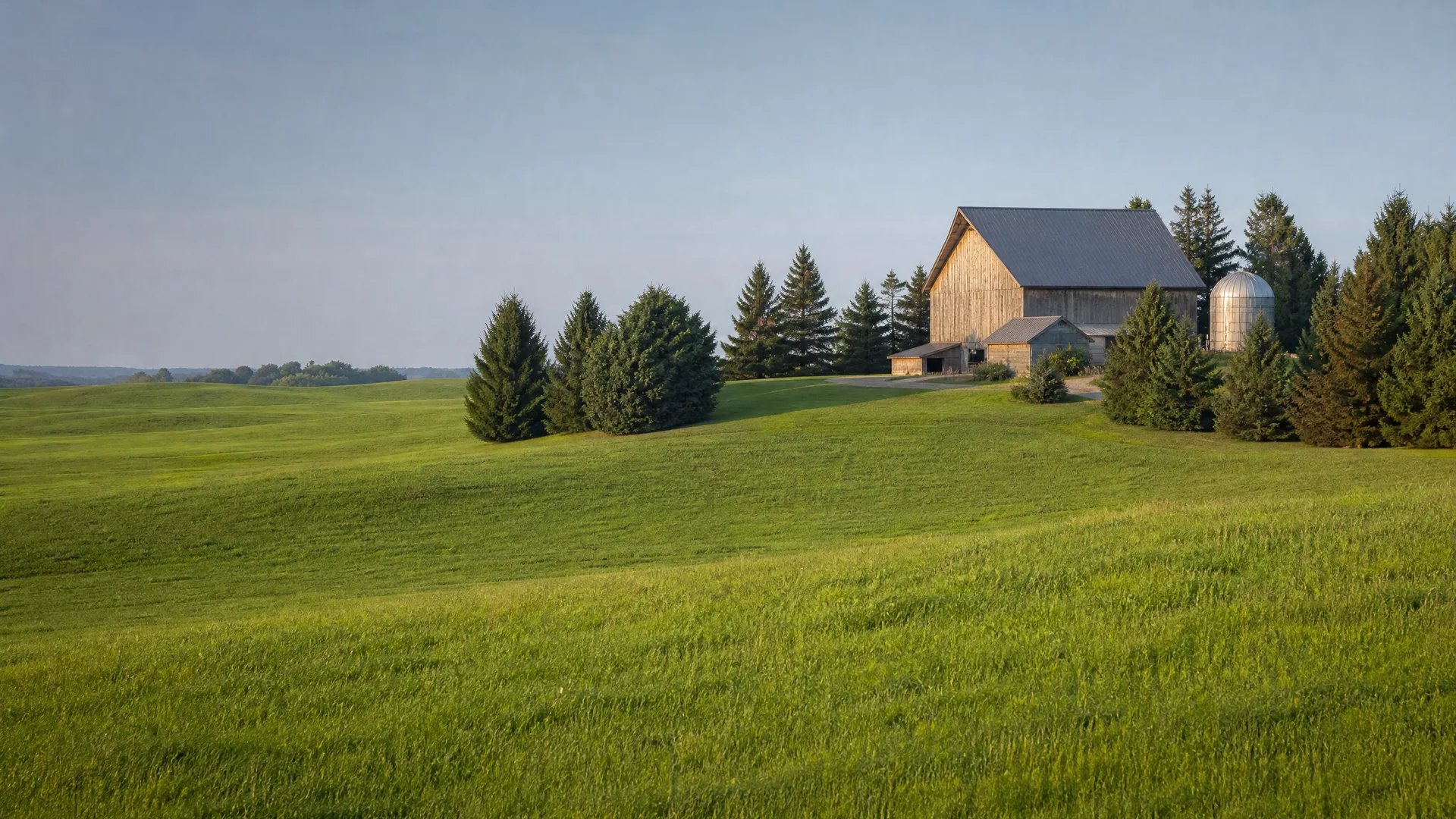
Furnace running as it should
Power reaches the control board, the igniter fires, and the blower sends warm air through the ducts without a stumble. A generator sized for the startup surge keeps it this steady through a January outage.
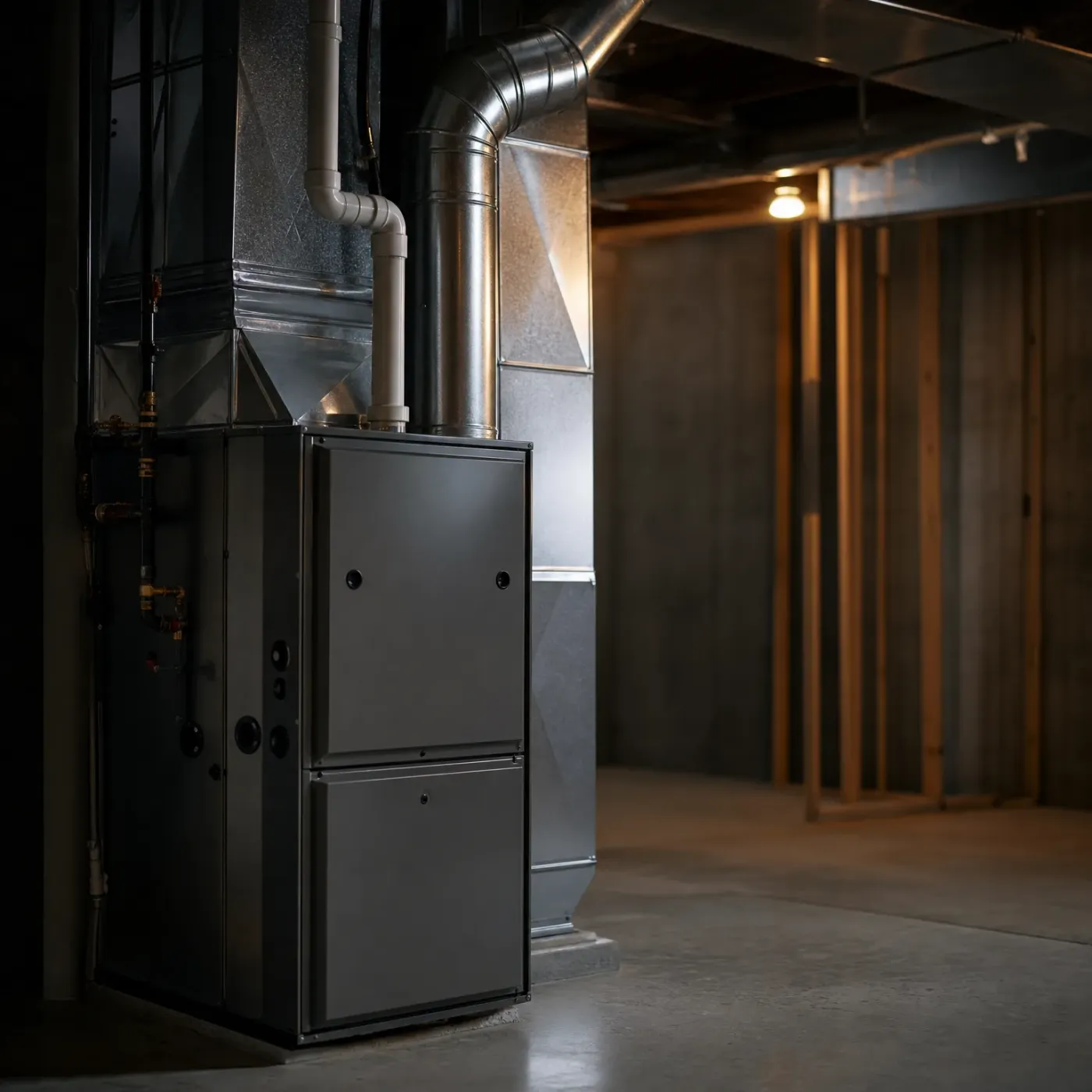
Send one request and you're done looking
A gas furnace doesn't need much electricity, just enough to run the blower, the control board and the igniter. The real question is what size generator covers that plus whatever else you want on during an outage. Below is how to size it right for your furnace, and a way to skip the back and forth of finding someone to install it.
Hand it offA gas furnace in Iowa typically needs a generator in the 5,000 to 7,500 watt range to start and run. The blower motor draws the most power, especially at startup, when it can pull two to three times its running wattage for a second or two. That surge is what trips up generators sized too close to the furnace's running load alone. Most furnace blowers run on a third of a horsepower to three-quarters of a horsepower motor, and a generator rated for the higher end of that range covers the control board and igniter too, with room left for a few lights or the refrigerator. Winters here get hard, and a furnace that cuts out partway through a January night is not something to find out about after the fact. Getting the size right means the furnace starts clean every time the power drops, without the generator stalling under the load.
Power reaches the control board and igniter first.
The igniter glows hot enough to light the burners.
Gas valve opens and burners fire up.
Blower motor starts last, pulling the biggest surge.

An outage in July means you deal with a sticky house for a while. An outage in January with no generator means pipes to worry about along with everyone bundled in coats inside their own living room. Iowa winters don't let up for a weekend while you figure out a fix. A gas furnace with no power to its blower and control board is just a metal box, even with a full tank of propane or a line of natural gas running to it.
Sizing the generator right means it starts the furnace along with the fridge, some lights, maybe the sump pump, without tripping or stalling on the surge. Get it wrong and you find out during the outage, not before. Finding a contractor who installs standby units sized for an Iowa winter usually means calls to a handful of electricians, waiting on quotes, and explaining your furnace and panel setup each time. Send one form here and that search is off your plate.

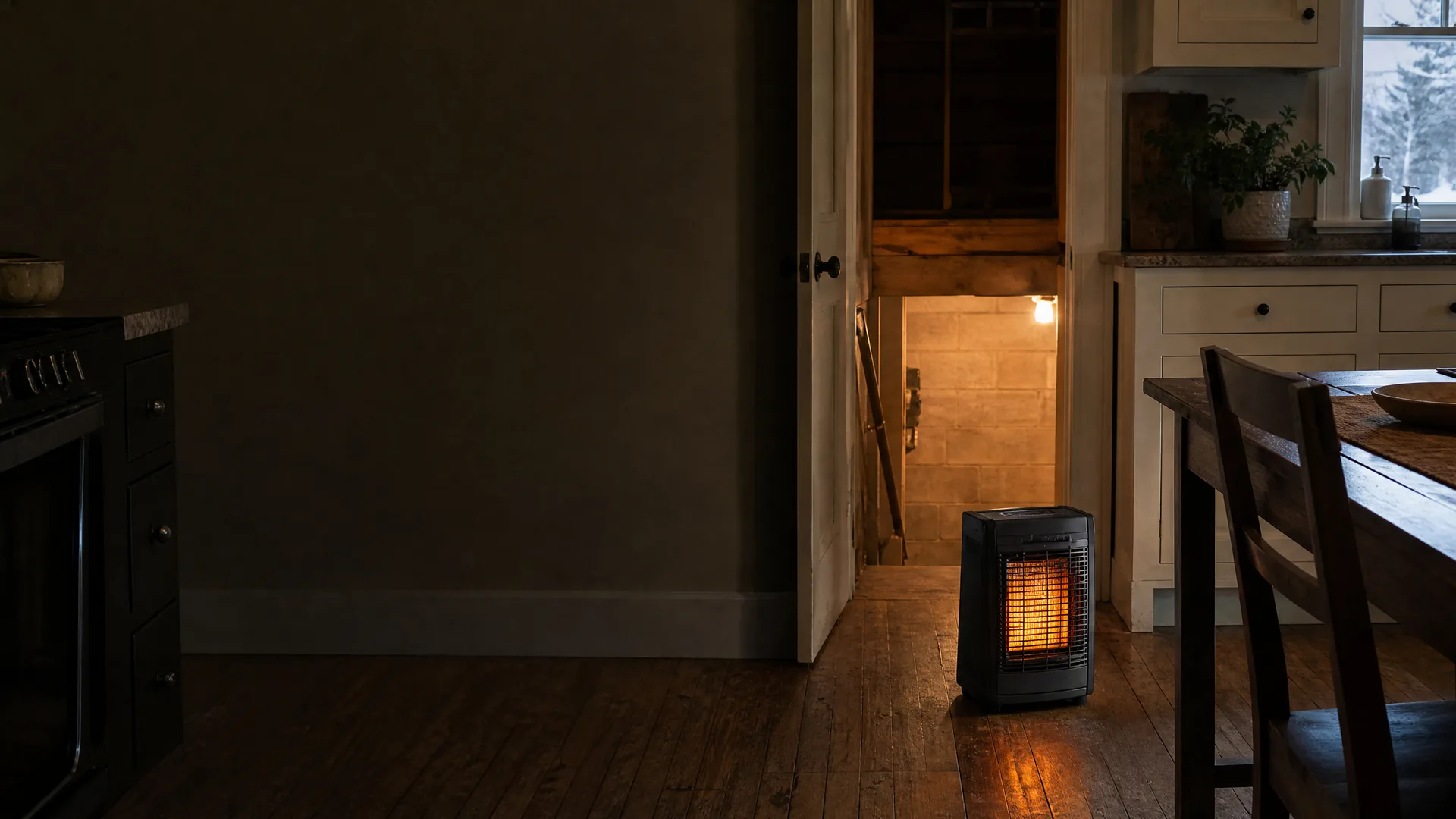
Six in the morning, and the kitchen is cold enough to see your breath near the window. The space heater sits by the table, cord stretched tight, its coil the only orange in the room. You moved it in from the living room an hour ago. The basement door is open behind it because you went down twice already to look at the furnace, like looking at it would change anything. Outside it's still dark, still January, still Iowa. Your coffee went cold before you finished it. Somewhere under the floor the furnace sits quiet, the blower not turning, and you're doing the math on how many more hours you can keep the space heater running before you have to think about the pipes.
The thermostat still reads the temperature you set, but nothing is answering it. No air moving at the registers, no low hum from the basement where the furnace sits. You'll notice the cold first in the rooms farthest from the furnace, then everywhere. Water left in pipes along an outside wall is next to worry about if this stretches past a few hours in January. A generator sized for your furnace keeps the blower and igniter running so the house holds its heat instead of slowly giving it up, and keeps you from watching the thermostat for a number that isn't coming.




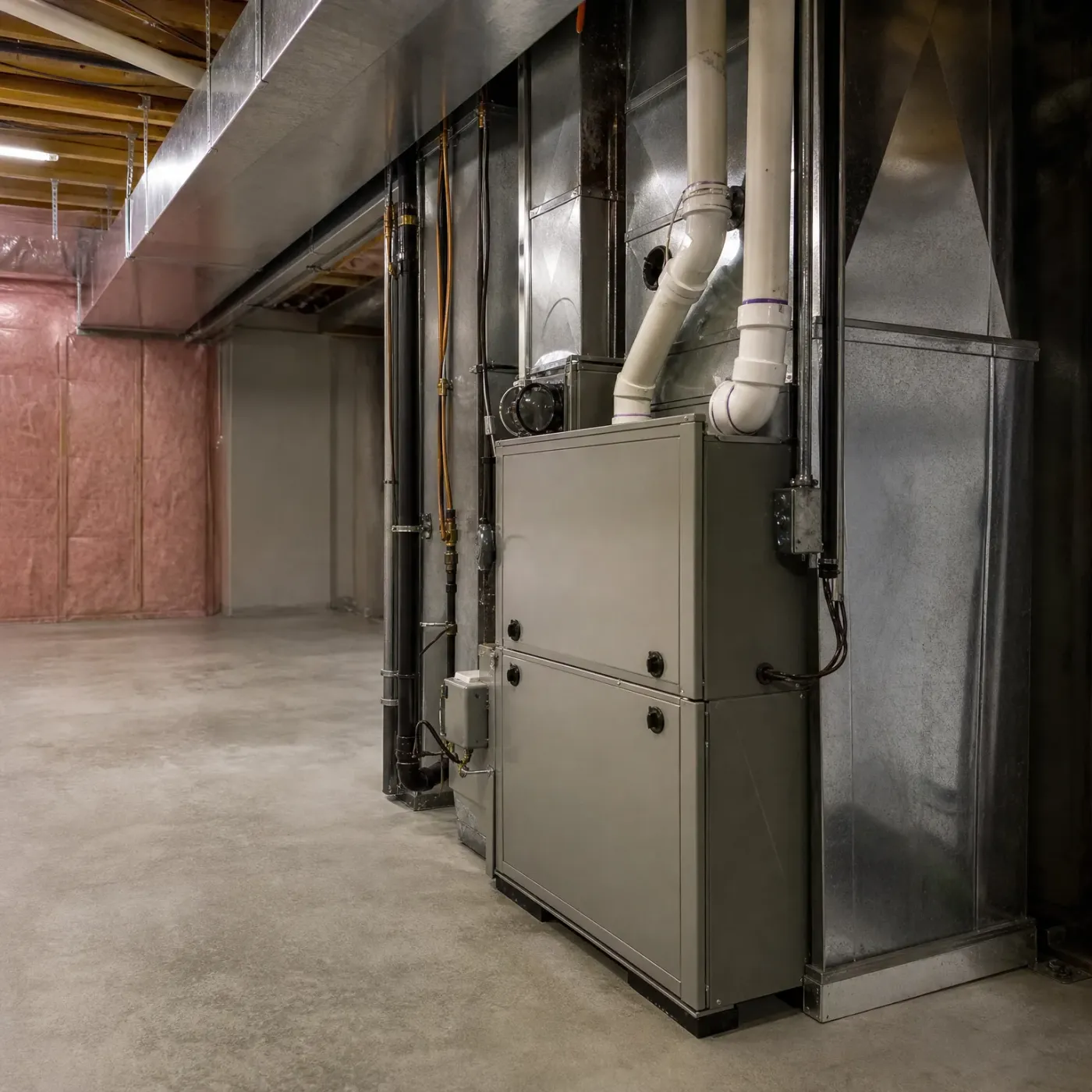
Skip collecting and comparing quotes for the new furnace.
Once you send the form, finding a pro is off your list.
It costs nothing to send, and you don't have to hire anyone.
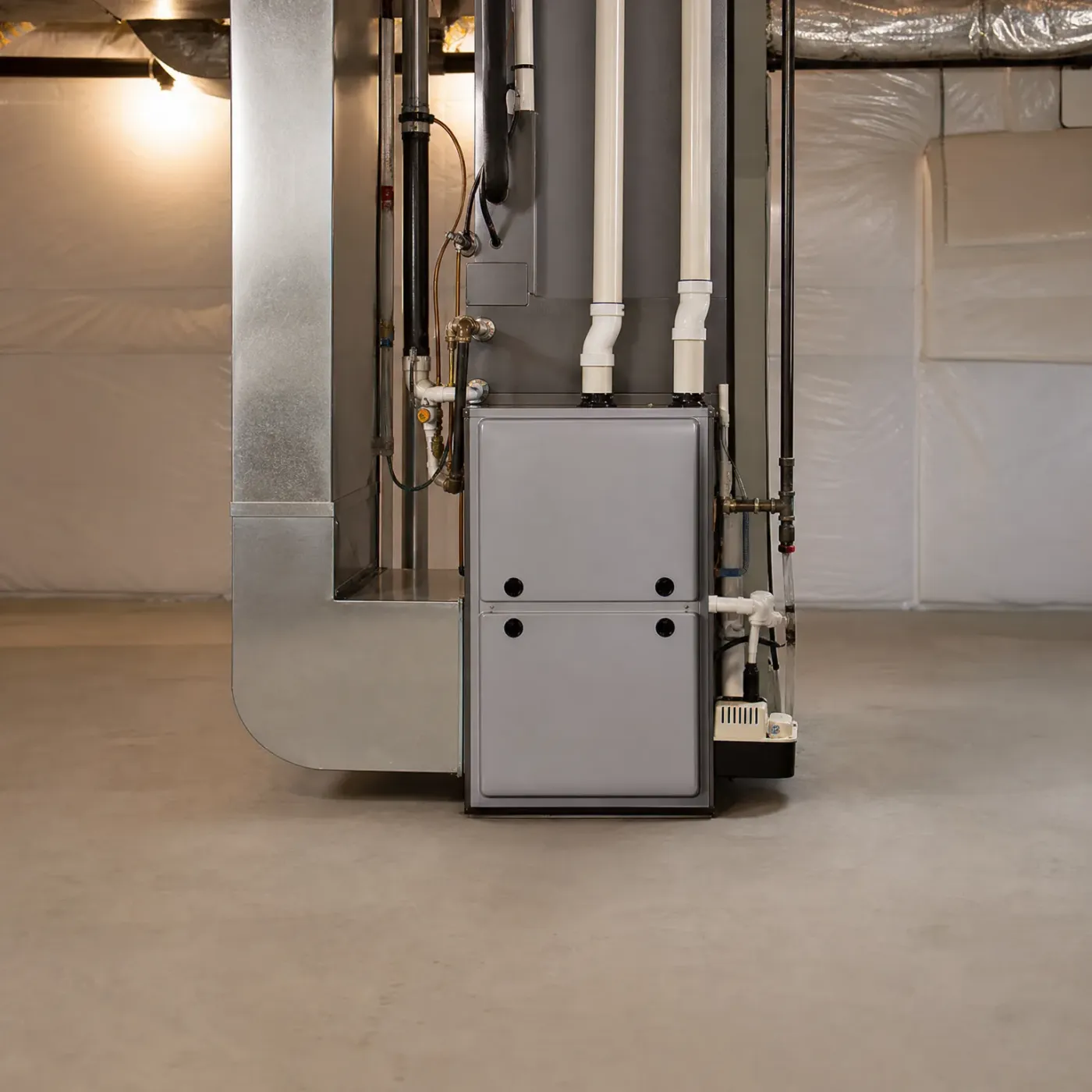
Power reaches the control board, the igniter fires, and the blower sends warm air through the ducts without a stumble. A generator sized for the startup surge keeps it this steady through a January outage.
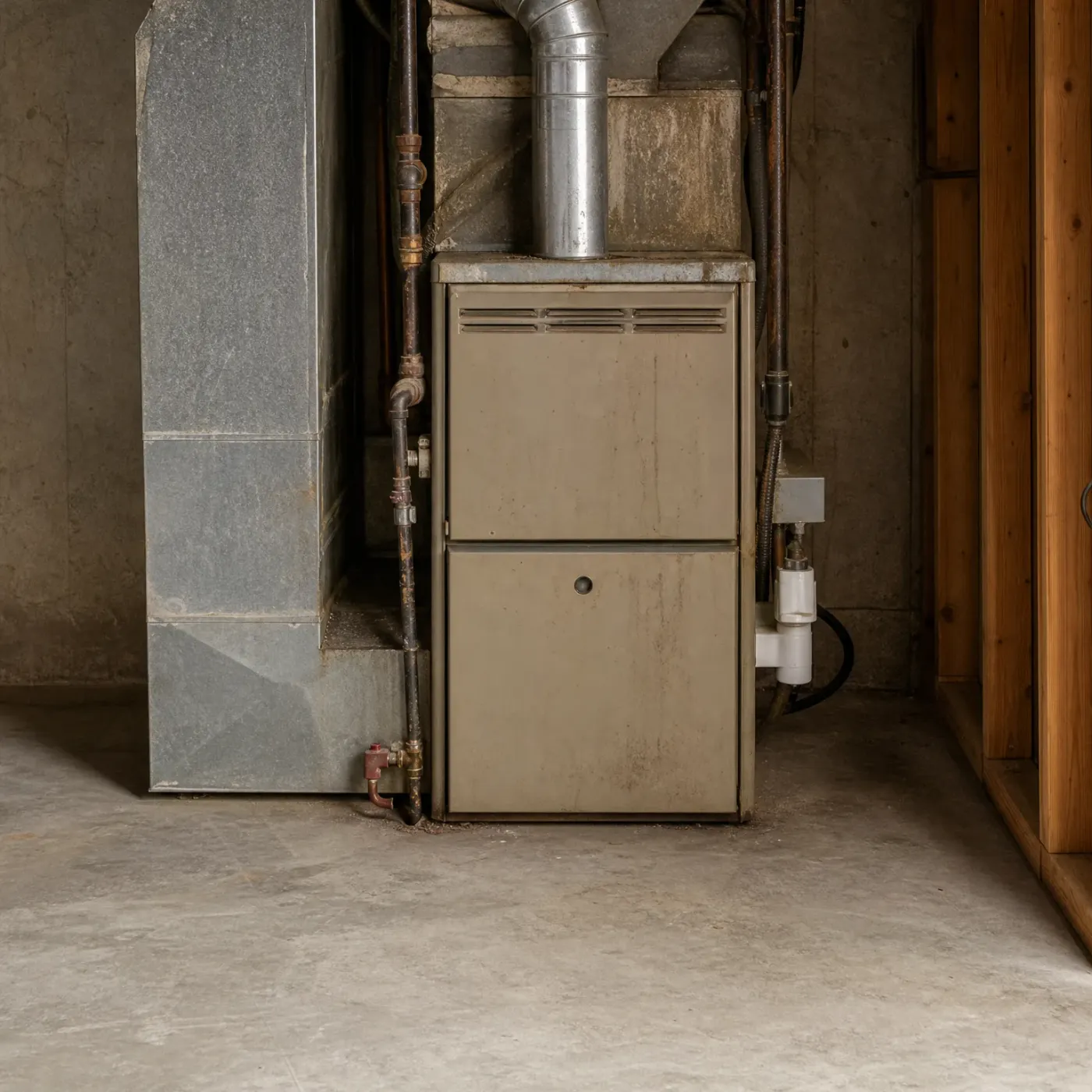
An undersized generator can light the igniter and never get the blower moving, or trip when the blower kicks on. The furnace sits there with gas ready and no warm air reaching the house.
You saw the startup surge number and it probably looked strange. The blower motor's running watts and its starting watts aren't close, and that gap is the reason undersized generators stall the moment the furnace calls for heat. You want to know why a motor would need that much more power just to get going.
A blower motor at rest has no momentum to work with. Getting the fan wheel spinning from a dead stop takes more force than keeping it spinning once it's moving, the same way pushing a stalled car takes more effort than steering it once it's rolling. That first second or two draws the surge wattage. Once the wheel is up to speed, the motor settles into its running watts and stays there until the thermostat is satisfied. A generator sized only for the running number stalls out right at that first second, which is why the surge figure, not the running figure, decides what you actually need in Iowa.
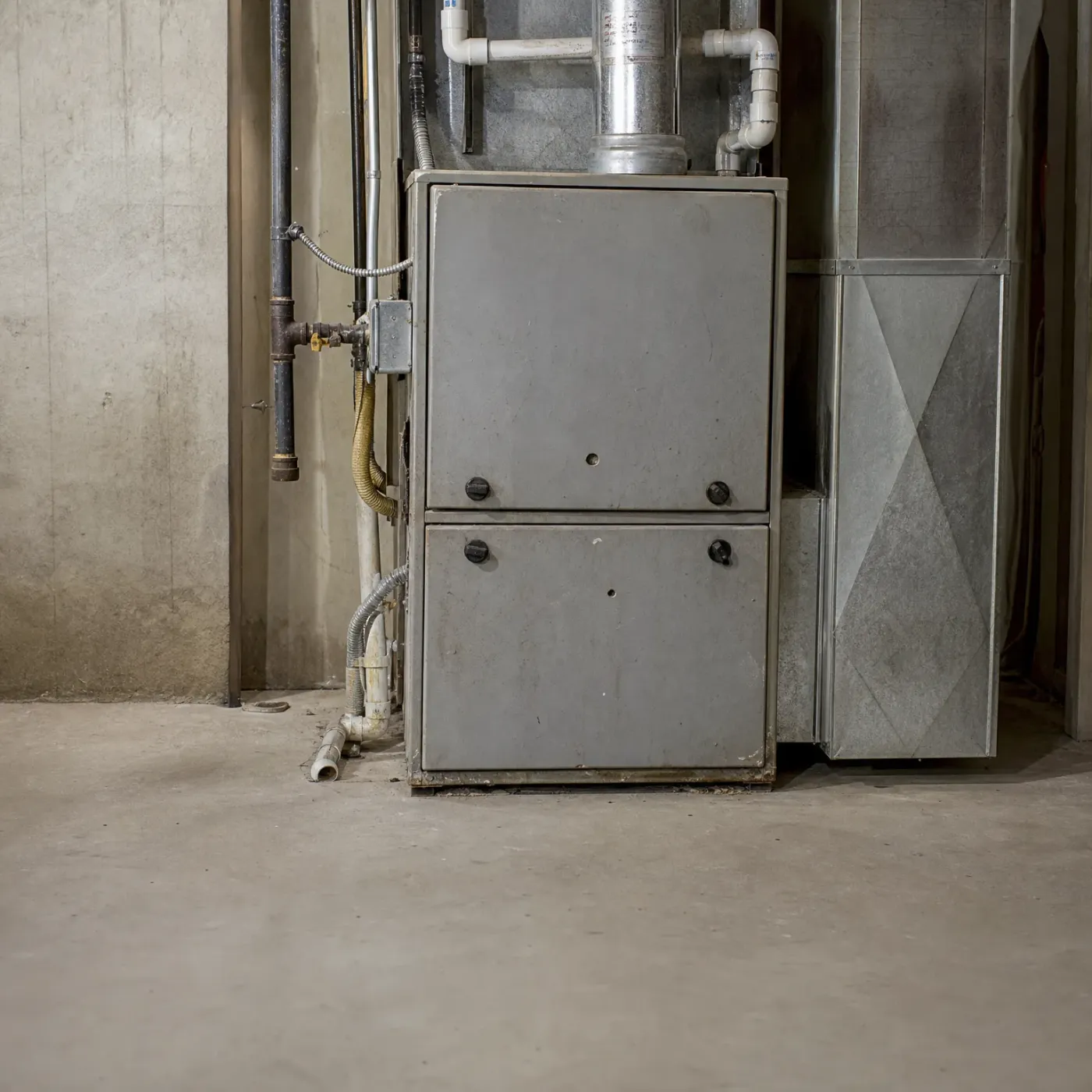
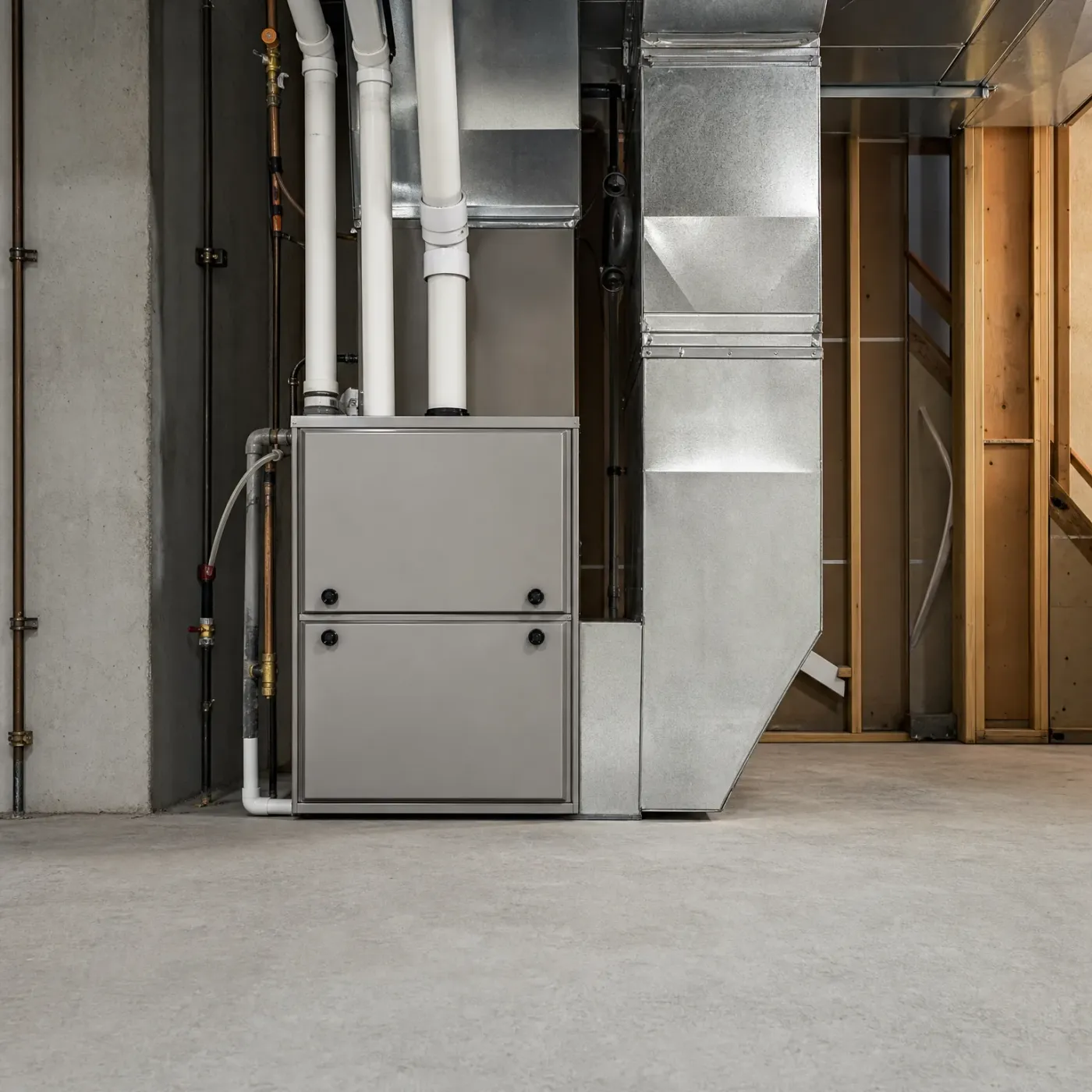
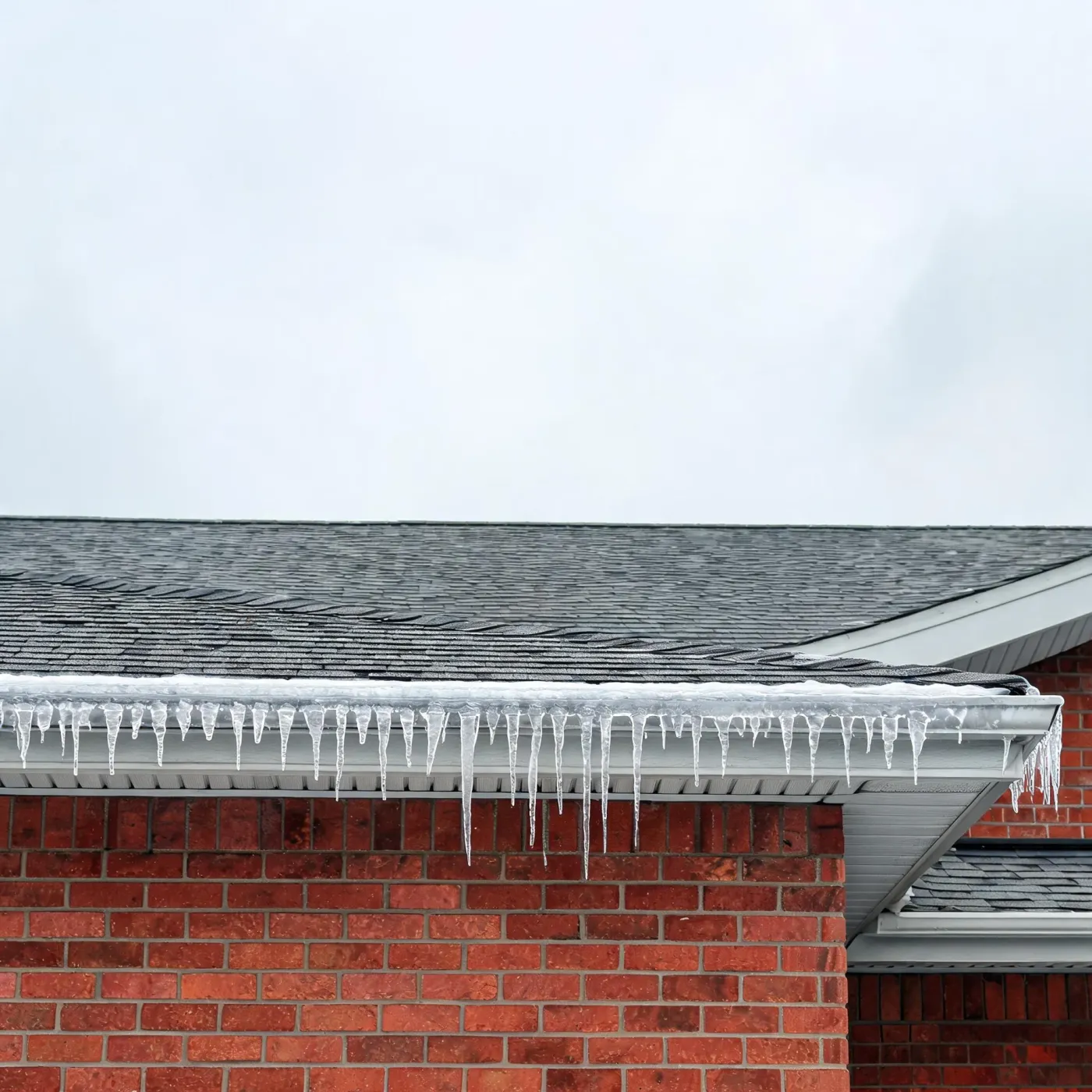
Statewide, winter nights average 15°F, according to NOAA climate data. At that temperature your furnace isn't cycling on and off anymore, it's running long stretches just to hold the thermostat setting, because the house is losing heat faster than it can replace it. That's more hours on the blower motor and more time the control board and igniter need power without a break. A generator sized only for a mild evening won't carry that load through a full night in the teens. This is the number that matters for sizing, not the occasional colder snap, because 15°F is the ordinary night your furnace has to answer to all winter.
NOAA nClimDiv 1991-2020 county normals weighted by homes


At 15°F the furnace is working about as hard as it gets, which is exactly when an outage does the most damage. A generator that can't carry the startup surge leaves you with no heat on the coldest nights of the year, not the mildest ones.
NOAA nClimDiv 1991-2020 county normals weighted by homes
A gas furnace in Iowa needs a generator in the 5,000 to 7,500 watt range, and the number comes down to the blower motor. It runs on little power most of the time, then asks for two to three times that for a second or two when it starts. A generator sized for the running watts alone will carry the control board and the igniter fine, then stall the moment the blower kicks in. That's the gap that catches people who size by guesswork instead of by the surge.
On a night at 15°F, the furnace isn't cycling on and off, it's running long stretches to hold the thermostat setting, so whatever generator you have is carrying that load for hours, not a few minutes here and there. Sized right, you don't notice the outage much past the lights flickering. Sized wrong, the house goes cold slowly, room by room, and you're layering on blankets while you wait out the storm.
Finding someone who sizes this correctly and installs it right is its own task, calling a handful of contractors, explaining the furnace and the panel and the square footage to each one, then sitting with quotes that are hard to compare because no two cover the same scope. Once that part is handled, what's left is a generator that starts the furnace every time the power drops, and a January outage that stays an inconvenience instead of becoming the night everyone sleeps in coats.
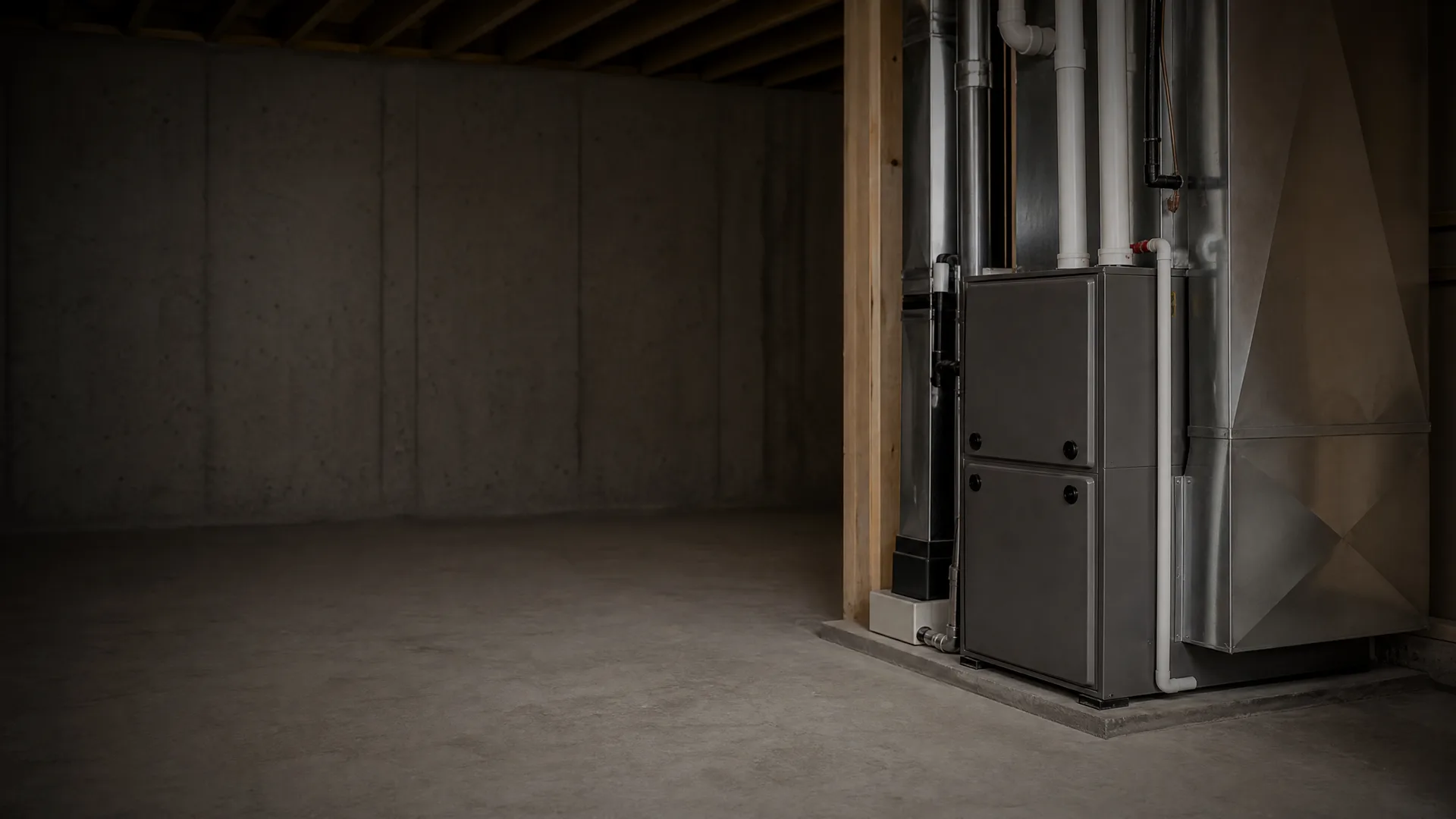
Explain the job once and skip repeating it on every call.