


Why your furnace ignitor keeps failing in Iowa

Tell a local repair pro what your furnace is doing.

Find a pro near me

Why does my furnace ignitor keep going out in Iowa?

You replace the igniter and a few months later it fails again. It feels like the part is bad, or maybe the wrong one got installed. Before you pay for another one, it helps to know why Iowa furnaces burn through igniters faster than people expect, and whether there's a fix for that instead of just another replacement.

A furnace that cycles on and off too often wears the igniter out early

A hot surface igniter is only built to heat up and cool down so many times before it cracks. In most furnaces it glows white hot for a few seconds every time the burners light, and each cycle adds a little stress to that thin strip. A furnace that short cycles, turning on and off more often than it should, runs through that lifespan much faster than one that runs in longer, steady stretches. With gas heat running from October through April here, a furnace that short cycles can wear out an igniter in a single winter instead of lasting several. A dirty flame sensor, a clogged filter, or a thermostat set wrong can all cause that short cycling, so a repeat failure is worth having looked at rather than just swapping the part again.

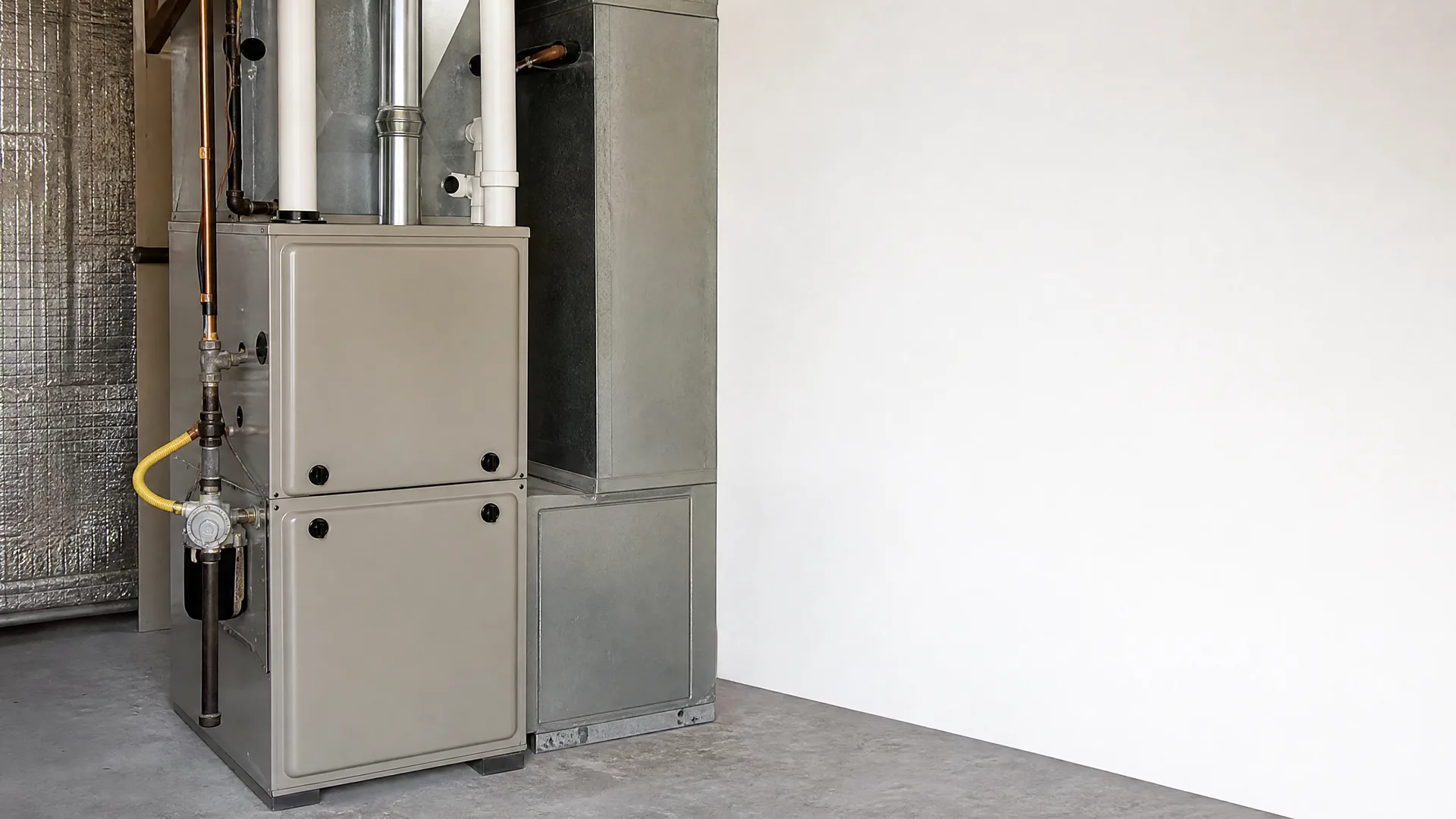
A beige residential gas furnace with white PVC vent pipes, copper and yellow gas lines, and adjacent sheet-metal ductwork stands on a concrete floor beside a plain white wall.

How the igniter actually fails

A hot surface igniter is a thin strip of silicon nitride or carbide that glows white hot to light the gas. It doesn't wear out from age so much as from cycling. Every time your furnace starts, the igniter heats up fast, then cools when the burners shut off. That expansion and contraction is what cracks it. A furnace that short cycles, turning on and off more than it should, puts the igniter through more of these swings than one that runs steady.

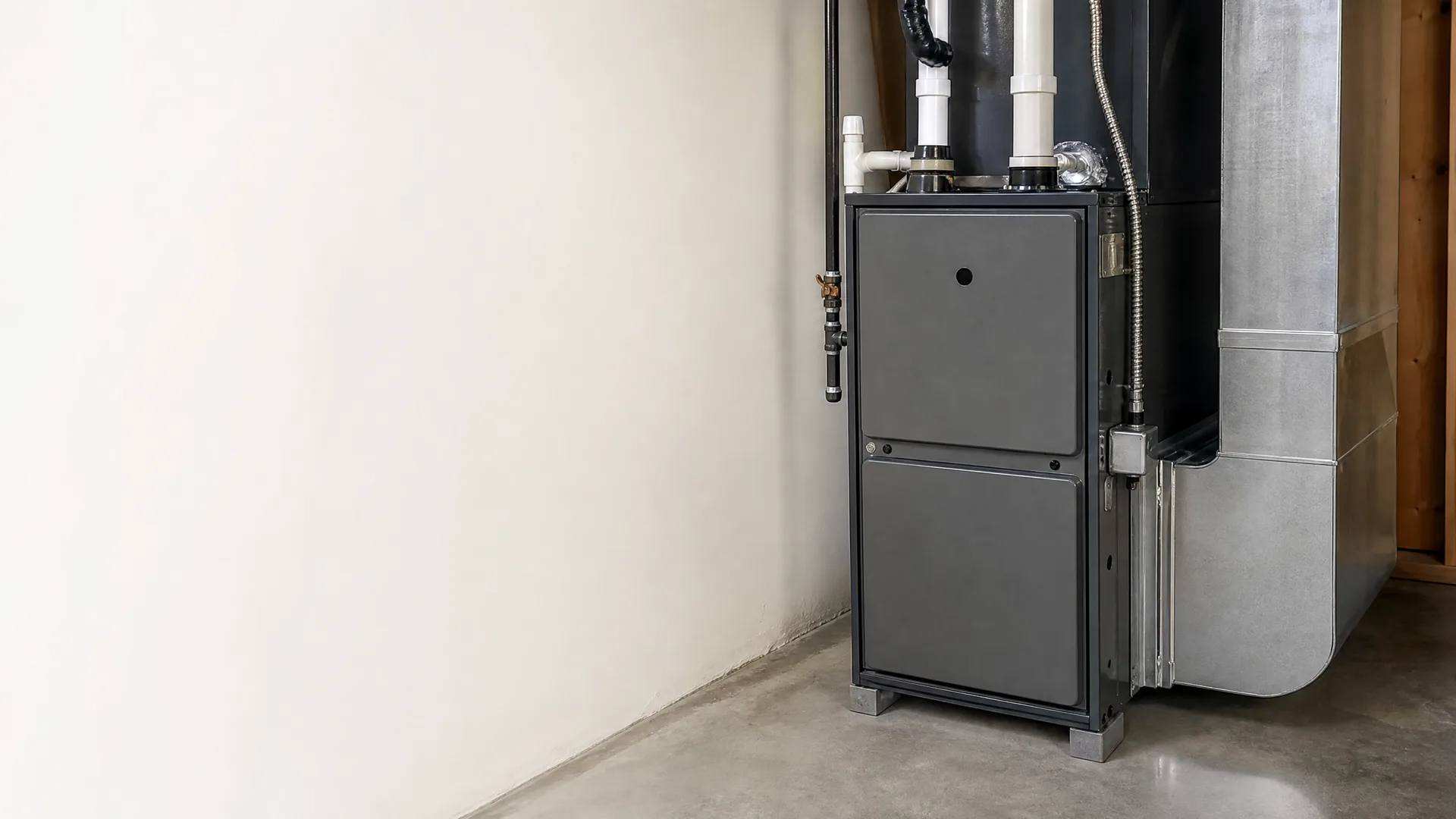
A gray high-efficiency furnace with white PVC vent pipes and metal ductwork stands on a concrete floor beside a plain off-white wall in a basement.

What a long January night costs it

On the coldest nights, your thermostat calls for heat often, sometimes more than a dozen times, and each call means another hot start for that fragile strip. A furnace sized too large for the house will short cycle even in mild weather, reaching temperature fast and shutting off before the heat exchanger and igniter settle. Dust and lint on the igniter can also cause it to crack from uneven heating, which is why a dirty filter plays a bigger role in this than most homeowners expect.

A smiling man in a denim shirt and white t-shirt stands in an open dark doorway of a stucco house, facing a woman with long brown hair and a green jacket seen from behind in the foreground.

What a dying igniter costs your house

When the igniter finally gives out for good, your furnace won't light at all. No warning, no slow decline. It works on Tuesday and on Wednesday morning the house is 58 and getting colder. In an Iowa January that's not a small inconvenience. It's pipes you start worrying about, and kids or older parents who need the house warm now, not whenever a part comes in.

The pattern of repeat failures is also telling you something about the next one. If this is the second or third igniter in a short stretch, the cause hasn't been fixed, only the symptom. A contractor who looks at your specific furnace, your venting, your thermostat settings, can catch what's actually shortening these. Once you send the details in, that search is off your plate. Someone who knows your situation follows up with you directly.

Interior corner of a room with a window and sheer curtain at left, a gray upholstered sofa with a cushion at right, and a round wooden table holding stacked books and a round vase with an olive branch.
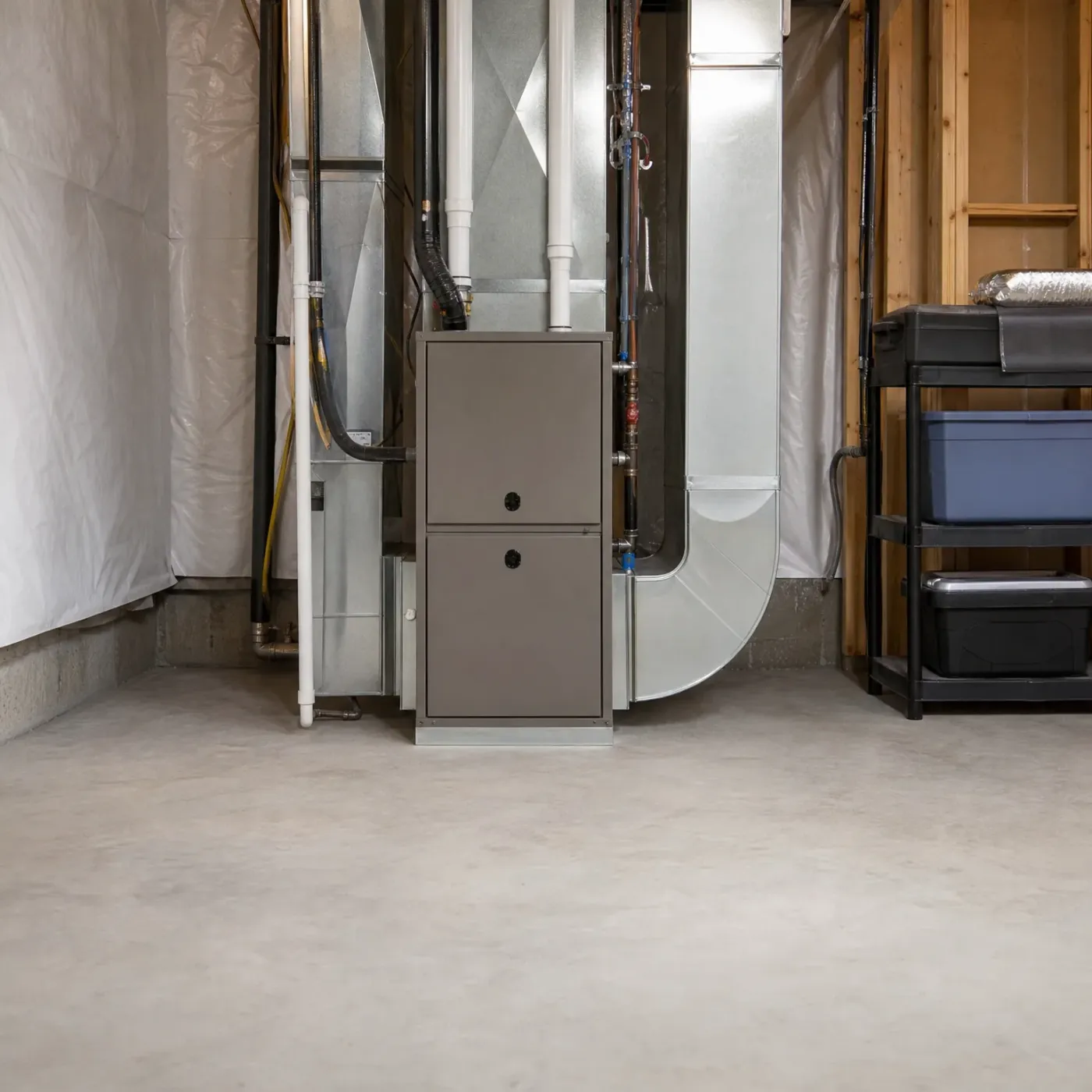
A basement utility area with a gray furnace, sheet-metal ductwork, pipes, plastic-covered walls, a concrete floor, and a black shelving unit holding storage bins.

A furnace cycling the way it should

This is what a healthy setup looks like: clean ductwork, solid gas lines, a furnace that fires and shuts off without a fight. The igniter in a system like this still cycles every time the thermostat calls, but nothing else is working against it.
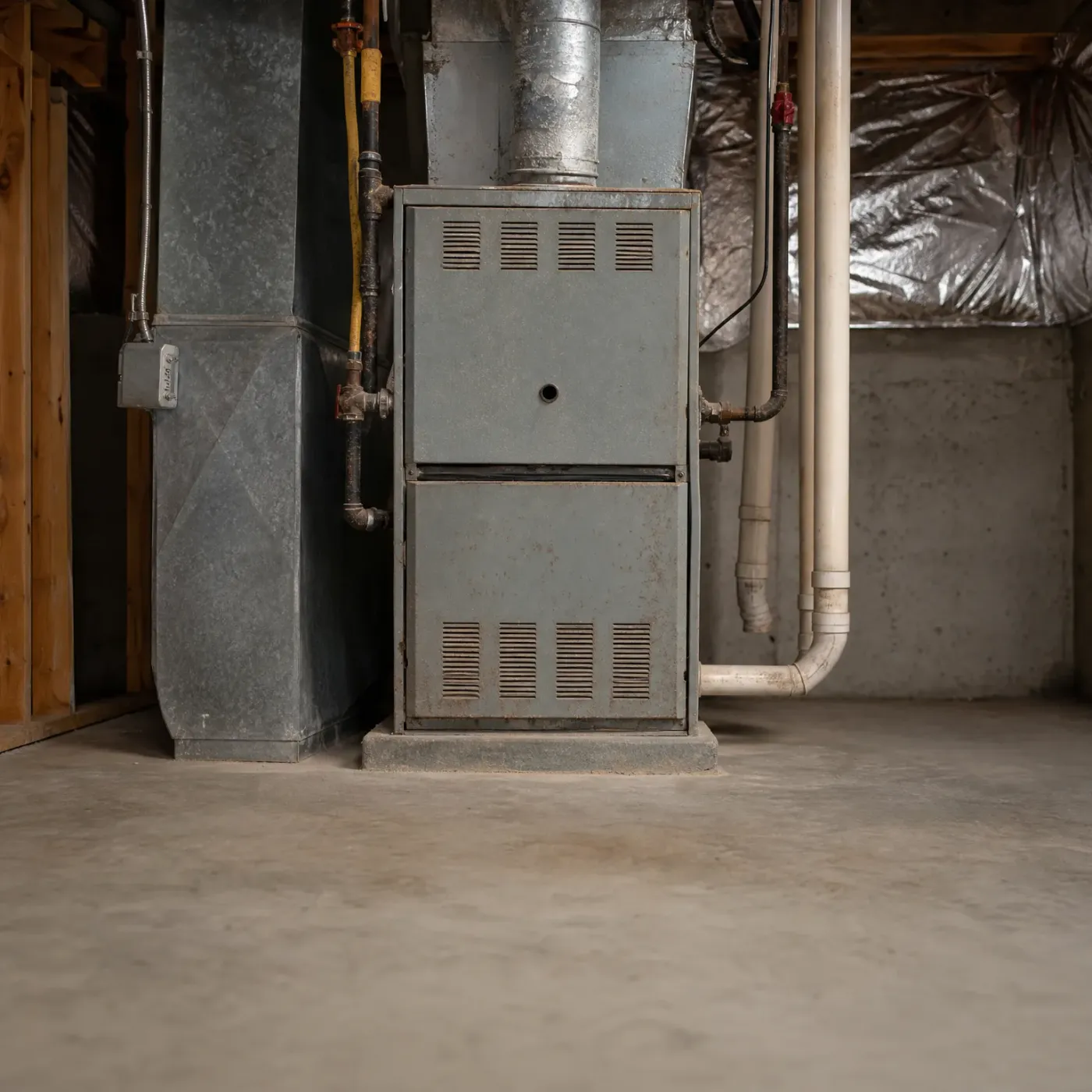

A gray metal furnace with louvered vent panels stands on a concrete basement floor beside galvanized ductwork, gas and plastic pipes, and foil-faced insulation along the ceiling and wall.

A furnace fighting its own cabinet

Surface rust on the cabinet usually means moisture has been getting in and out for years. That same damp air passes over the igniter every cycle. An older unit like this one is already asking the igniter to work through more than heat alone.

A woman with long wavy brown hair in a grey ribbed sweater sits on a couch indoors, looking toward a window, with a potted palm-like plant and fireplace behind her.
A woman with long brown hair wearing a green V-neck top and beige cardigan sits on a light sofa, looking off to the side, with a dining table, lamp and framed picture in the background.
A woman with long dark hair in a cream knit sweater sits on a beige sofa indoors, looking toward a bright window with a houseplant and framed picture in the background.
A woman with long dark hair in a green knit sweater sits on a couch indoors, smiling and looking toward a window with a blurred room behind her.

Matched to your furnace job

A furnace that short cycles burns through igniters fast, and that's usually a wiring or airflow problem, not bad luck with parts. A clogged filter, a cracked heat exchanger tripping the limit switch, or loose wiring at the igniter connector will all do it. So will a draft pulling cold air across the burner compartment, which is common in older Iowa houses where the furnace sits in a drafty basement or garage. Replacing the igniter again treats the symptom. Someone has to open the cabinet, check the flame sensor and limit switch, test the inducer draft, and look at what's actually asking the igniter to relight so often. That's not a part you buy off a shelf and swap in an afternoon. Getting a contractor who can actually trace the cause, instead of guessing at another thirty dollar part, is what stops this from happening again before the next cold snap settles in.

Why igniters wear out faster here

  • A hot surface igniter typically fails after 10,000 to 25,000 heat cycles, not from a set number of years.
  • Short cycling doubles or triples the number of heat-up and cool-down cycles the igniter takes in a single winter.
  • A delayed ignition, where gas builds for a second before it lights, stresses the igniter with a small flame impact every time.
  • Voltage above what the igniter is rated for shortens its life even if the part is brand new and correctly sized.
  • A cracked igniter usually breaks at the same thin spot near the tip, where the ceramic is narrowest and heats fastest.
  • Dust and lint settling on the igniter surface can cause hot spots that crack the ceramic from uneven heating.

An igniter doesn't fail on a calendar. It fails on a count, somewhere between 10,000 and 25,000 cycles, and every start and stop of your furnace uses one up. Gas furnaces here are running most days from October through April, so a furnace with a problem gets through that count a lot faster than one that doesn't. Short cycling is the usual reason. If your furnace fires, runs for two or three minutes, and shuts off before it should, it's heating up and cooling down the igniter two or three times as often as it needs to. That alone can turn a part rated for several winters into one that's done by January. Delayed ignition adds its own damage. If you've ever heard a soft thump when your furnace lights, that's gas building up for a second before it catches, and the small impact of that flame hits the igniter every single time it fires. Voltage matters too. An igniter is rated for a specific range, and a furnace running hot electrically will cook an igniter early even when the part itself was never the problem. Most cracks show up at the same spot, the thin tip of the ceramic, because that's where it heats fastest and cools fastest. Dust sitting on that surface makes it worse, heating one patch of ceramic faster than the rest until it cracks along the uneven line.

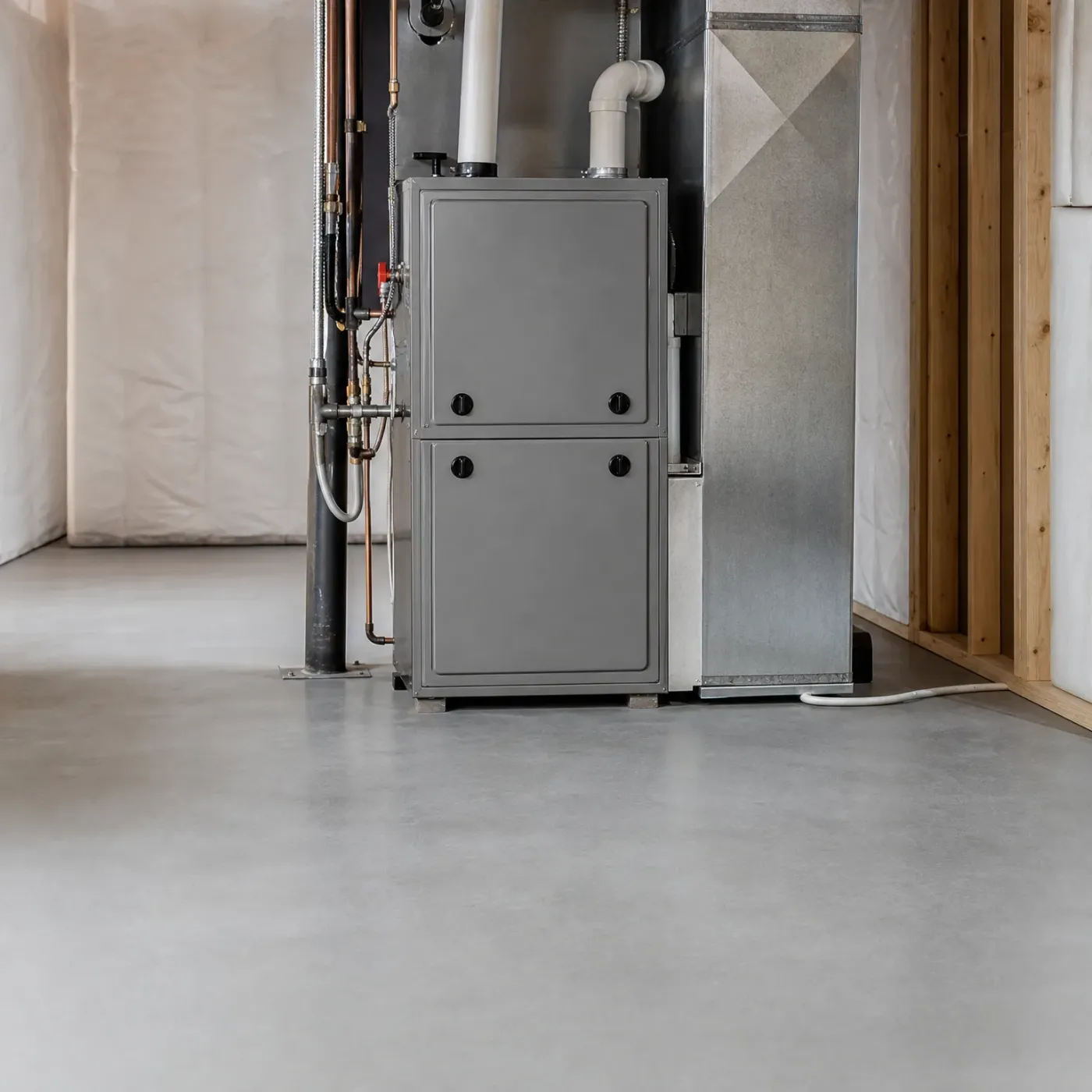
A gray furnace with white PVC vent pipes stands beside sheet-metal ductwork in a basement with a smooth concrete floor, exposed wood framing, and plastic sheeting on the walls.
A furnace that fires clean and settles into a normal cycle, with no scorch marks or rust creeping up the cabinet.
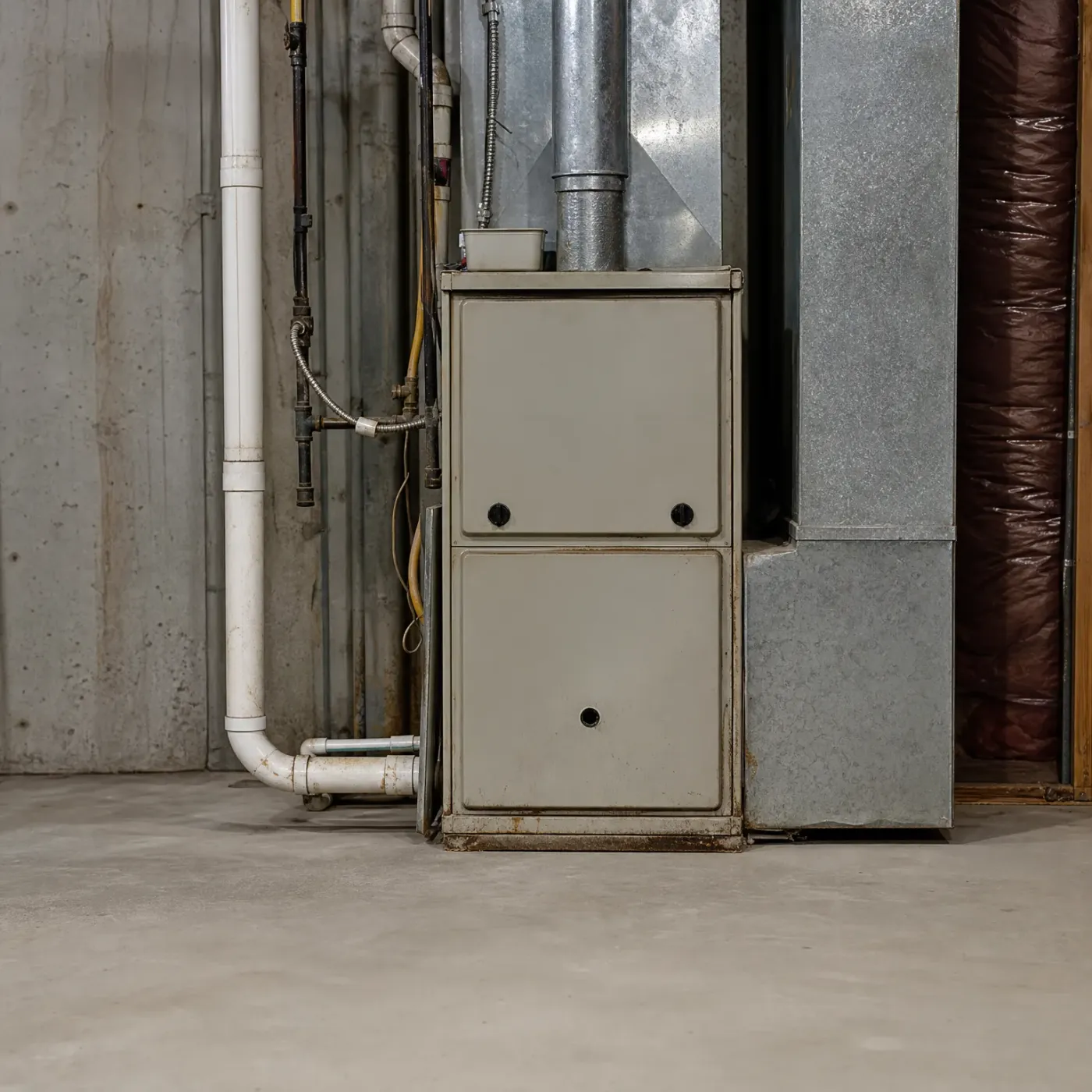
A beige furnace with two access panels stands against a concrete basement wall, with galvanized sheet-metal ductwork, a white PVC pipe, flexible conduit and insulated ducting around it.
Rust on the cabinet and a cracked-looking cabinet seam are signs the igniter underneath has been working harder than it should.
  1. Thermostat calls for heat and furnace control board gets the signal.

  2. Inducer motor starts and proves airflow through the vent.

  3. Igniter receives voltage and ramps up to full heat.

  4. Gas valve opens once the igniter reaches ignition temperature.

An older woman with gray hair in a bun and glasses, wearing a beige knit sweater, smiles while looking to the side in a warmly lit kitchen, with a loaf of bread on the counter in the foreground and a snowy scene outside the window.
A woman and a child wrapped together in a knitted gray blanket on a couch, with the child's head resting on her shoulder and a lit table lamp and houseplant in the background.
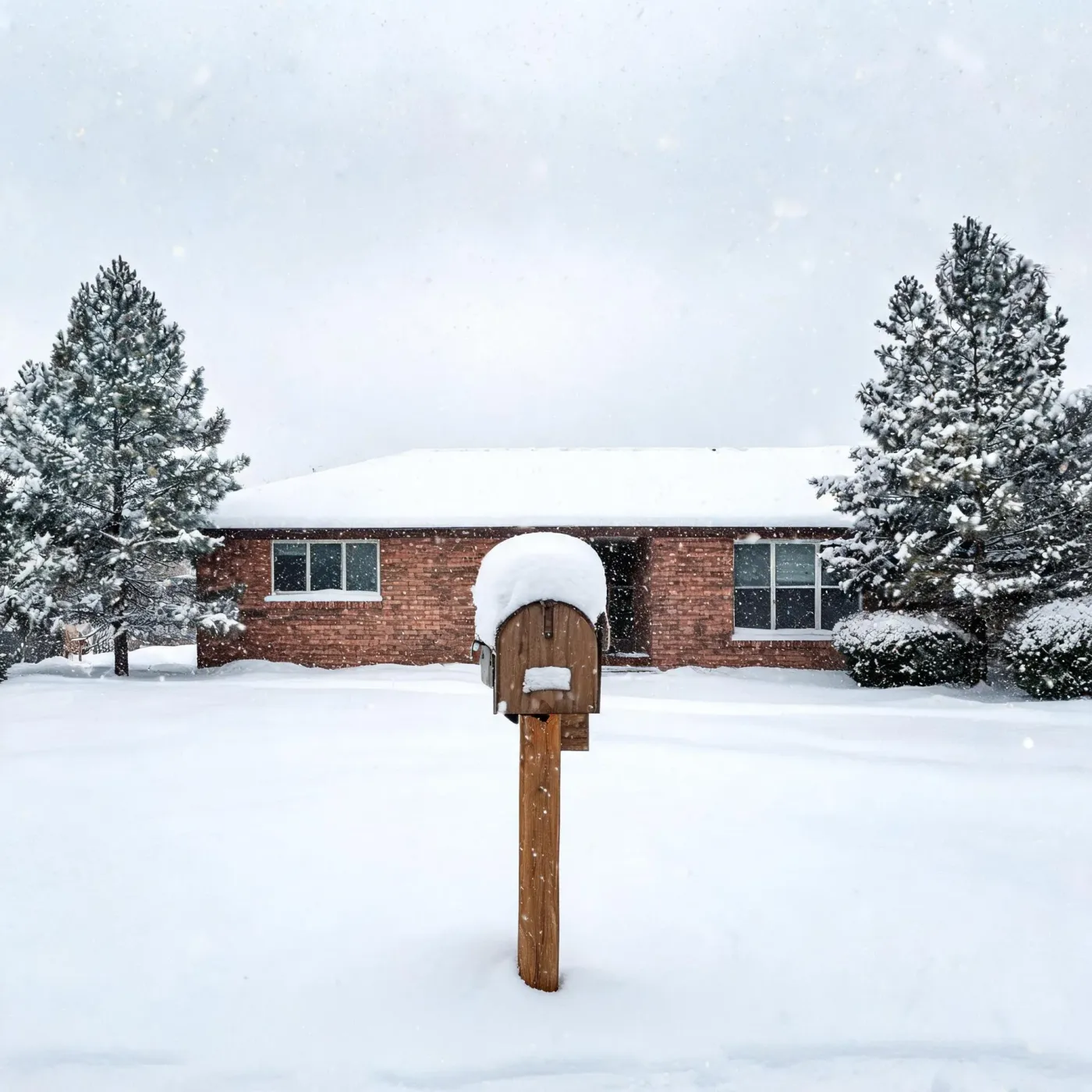
A snow-covered wooden mailbox on a post stands in a deep snowy yard in front of a single-story brick house flanked by snow-laden pine trees during falling snow.

Winter nights average 15°F statewide, per NOAA. At that temperature your thermostat is calling for heat almost constantly through the night, and every call means the igniter ramps up from cold. It gets no break to cool down and rest before the next cycle starts. That's more heat cycles racked up in a single cold snap than the igniter would see in a whole mild winter elsewhere, and heat cycles are what wear it out. If your furnace seems to fail more in January than in November, this is why. The part isn't weaker this time of year. It's just working harder, more often, all night long.

NOAA nClimDiv 1991-2020 county normals weighted by homes

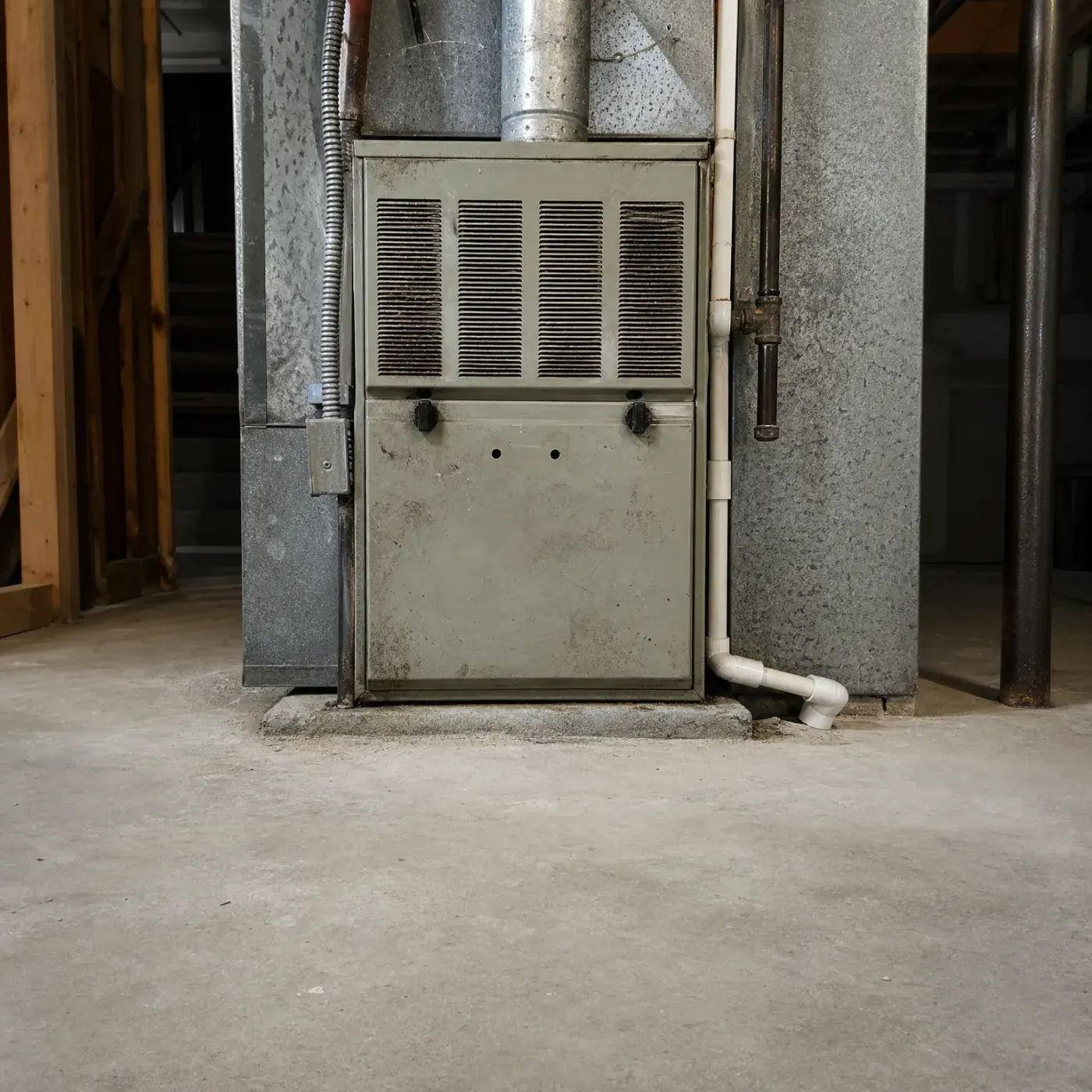
A gas furnace with a louvered upper panel stands on a concrete pad in a basement, flanked by sheet-metal ductwork, white PVC and metal pipes, and insulated columns.
Before you get your furnace repair
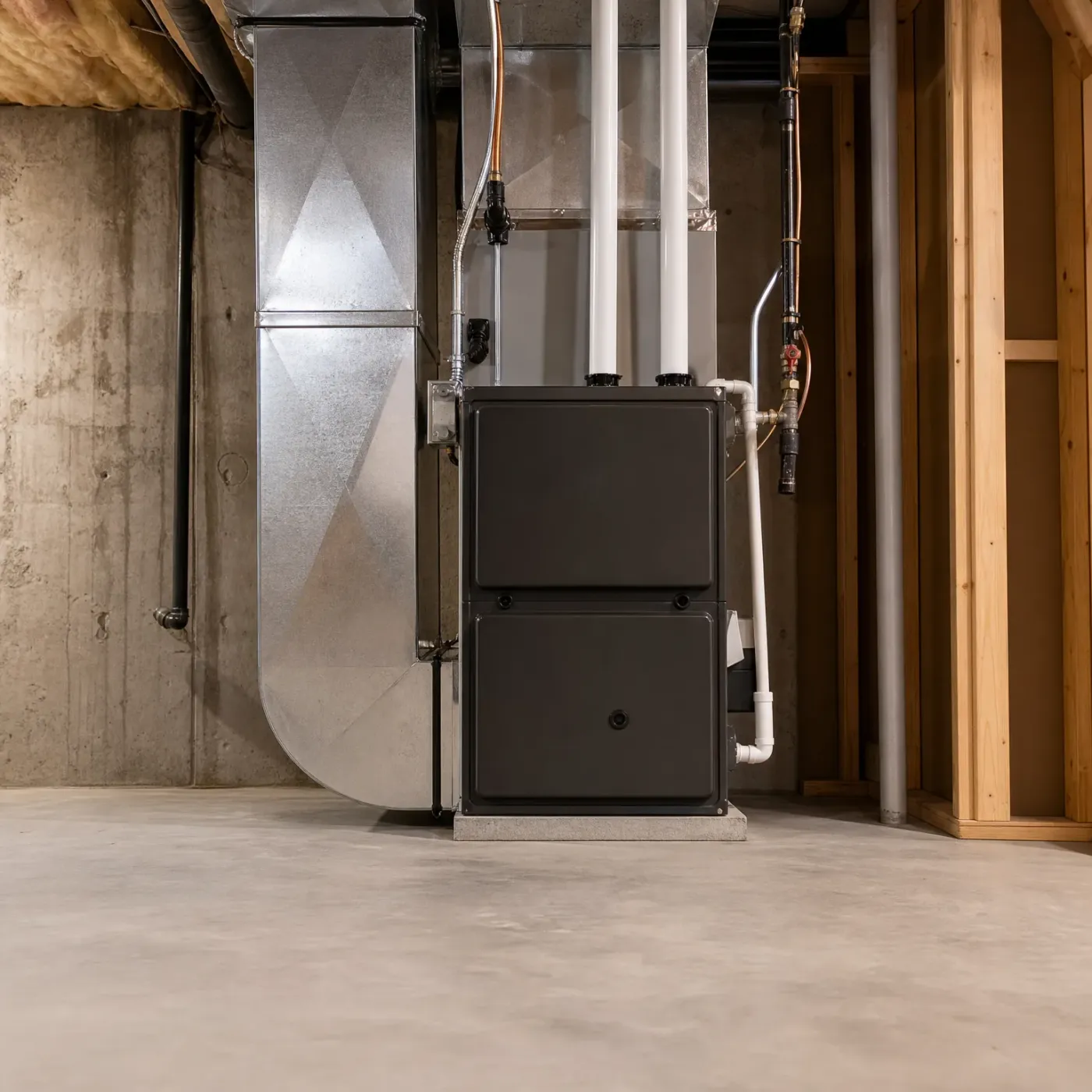
A dark high-efficiency furnace on a concrete pad in a basement, connected to galvanized ductwork, white PVC vent pipes, and copper and black gas piping, with concrete walls and wood framing nearby.
After you get your furnace repair

You keep buying the same igniter part number because that's what came out of the furnace, not because it's what the furnace needs. A universal igniter rated for more cycles can outlast the stock one by years in the same system.

A contractor who checks the cycle count against the wiring and the airflow before swapping the part again is treating the cause, not just the symptom. That's the difference between replacing this igniter and replacing the next one too.

Winter nights average 15°F statewide

At 15 below in the overnight hours, your thermostat doesn't let the furnace rest. It calls, the igniter heats up, shuts off, then calls again a few minutes later. That back to back cycling is what burns through an igniter early.

NOAA nClimDiv 1991-2020 county normals weighted by homes

An igniter that keeps failing isn't bad luck and it isn't a bad part. It's a furnace cycling harder than it should, through wiring, airflow, or a part that was never rated for an Iowa winter in the first place. That's fixable, but it means someone needs to look at the whole system, not just swap the igniter again. Once you send the request, you're done chasing it. A contractor who works on furnaces in your area will reach out and take it from there, checking the wiring, the filter, the cycling pattern, whatever's actually driving the failures. You don't have to diagnose it yourself or guess which part to order next. With nights dropping to 15 below and your furnace calling for heat over and over, that's not a small thing to hand off. The house still needs to stay warm while this gets sorted, and that part is no longer on you.

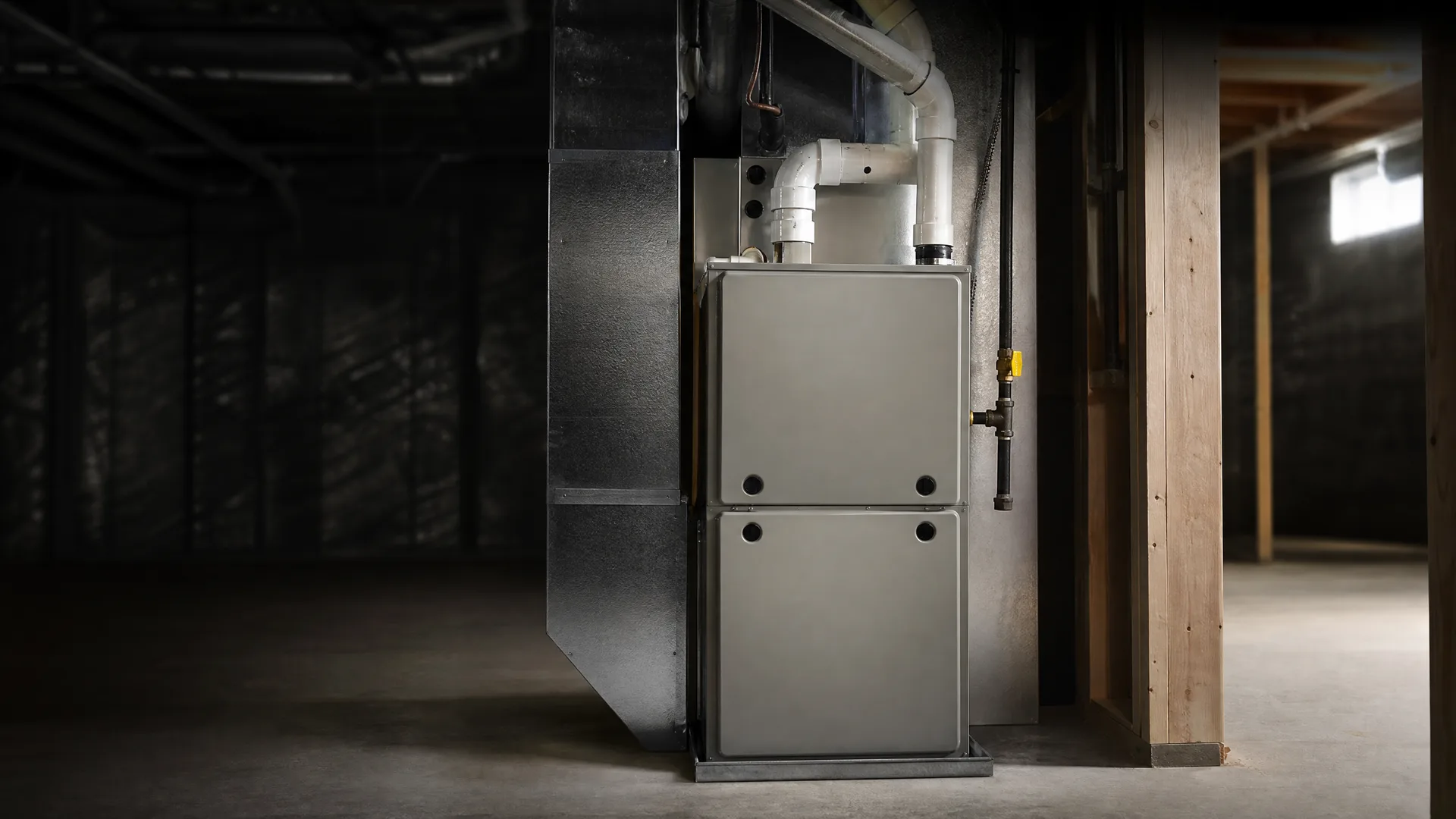
A gray high-efficiency furnace with two access panels stands on a concrete basement floor, connected to sheet-metal ductwork and white PVC vent pipes, with wood framing and a gas line nearby.

A furnace pro near you

Step 1 of 3: Equipment