 Skip the calls
Why your furnace whistles in Iowa
Answer a few questions instead of calling shop after shop.
A whistle from your furnace usually means air is squeezing through somewhere it shouldn't. A dirty filter, a closed vent, a cracked duct, or a blower wheel that's come loose can all cause it. In Iowa, where the furnace runs hard from the first cold snap through the end of winter, that kind of strain adds up fast.
The sound matters because of what's behind it. A furnace working to push air through a restriction is a furnace working harder than it should, month after month, on a system you're relying on to get through an Iowa winter.
Figuring out which one it is takes someone who's actually looked at furnaces like yours before. Iowa gas furnaces see a particular kind of wear from a long, hard heating season, and a local contractor who works on this equipment every winter knows what usually causes that whistle here and what to check first.
That's the part this page takes off your hands. Instead of searching around for someone to call, dialing a few numbers, explaining the same whistle and the same symptoms over and over, and then sitting with a stack of quotes trying to guess which one is fair, you get matched with one licensed local contractor. No flood of calls from competing companies, no repeating yourself to five different people. Just the one contractor who needs to hear your situation once.
Below, you'll find the common reasons a furnace whistles, what they usually mean for a house in Iowa, and when it's worth getting someone out to look before the sound turns into something that leaves you without heat on a cold night.
Why does my furnace whistle when it's running?
You hear a high, thin whistle while the furnace runs and want to know if it's something to worry about before the cold really sets in. In an Iowa winter you're not shutting the furnace off to think it over, so you want to know what causes the sound and whether it points to a quick fix or something that needs a closer look.
It's air being forced through a gap that's too small for it
Furnaces move a lot of air, and that air is supposed to travel through open vents, a clean filter, and sealed ductwork. When something narrows that path, the air speeds up through the smaller opening and makes a whistle, the same way air whistles through a cracked window. A filter packed with dust is the most common cause. A vent that's been pushed mostly closed does the same thing, and so does a seam in the ductwork that's come loose and is pulling air in from the wrong place. The sound itself won't tell you which one it is, but it means the furnace is working harder to push air through than it should have to, and in a winter where it runs for months straight, that adds strain it doesn't need.
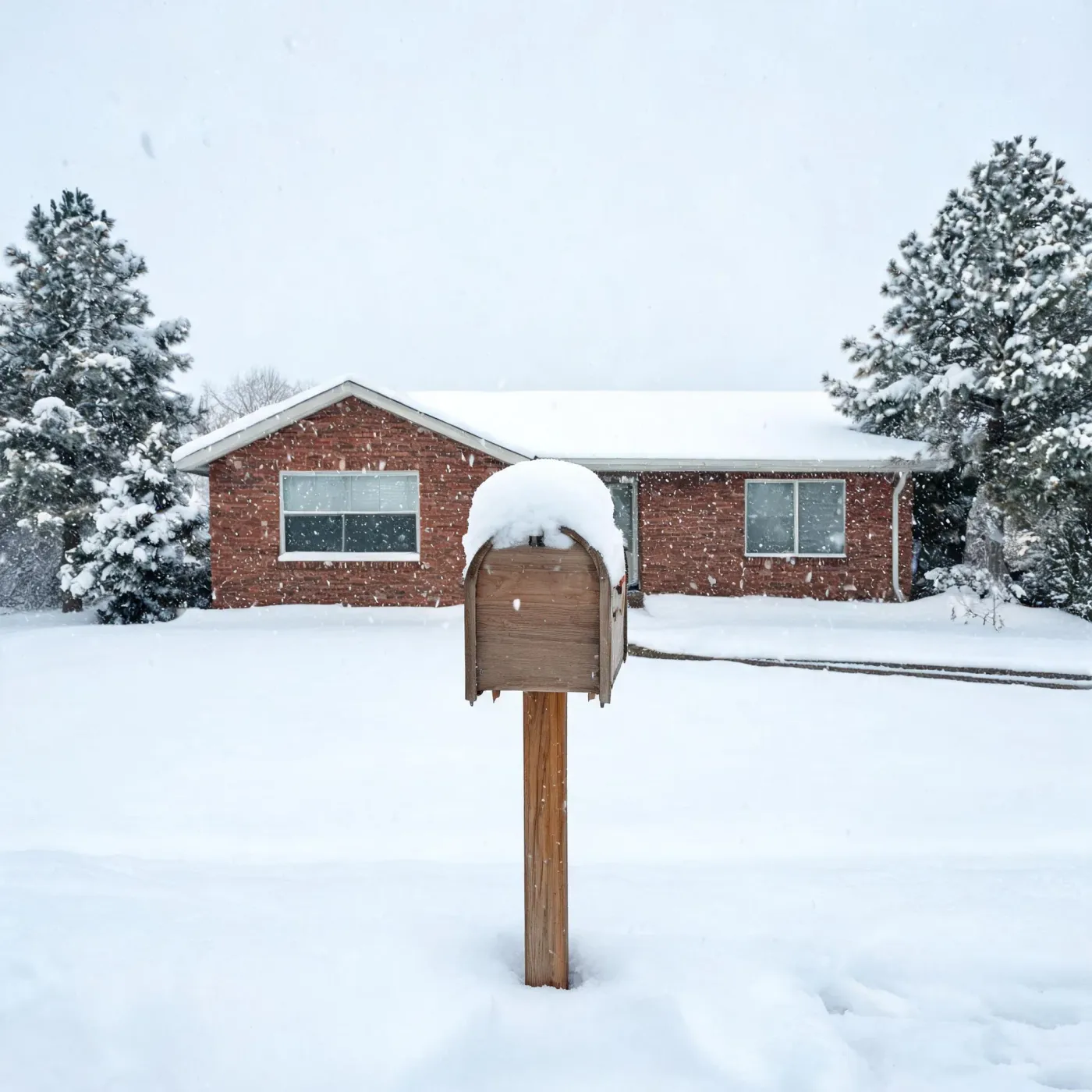
Winter nights average 15°F statewide, according to NOAA climate data, and that's the stretch when a whistle tends to show up or get worse. Cold like that keeps the furnace running long stretches instead of short cycles, and the filter or blower that was only a little restricted in November is working harder by January. A thin whistle at 40°F outside can turn into something louder once the burners are running most of the night to hold the house at temperature. If it's been building for a few weeks, that's the cold doing it, not your imagination. Rather than searching around for someone to look at it, explaining the sound over the phone to a few different companies and sorting through whatever quotes come back, a local contractor who works on furnaces all winter can tell you in one visit whether it's the filter, a vent, or something in the blower.
NOAA nClimDiv 1991-2020 county normals weighted by homes
Skip calling around
Your request goes to one pro, not a list of companies.
Sending the form costs nothing.
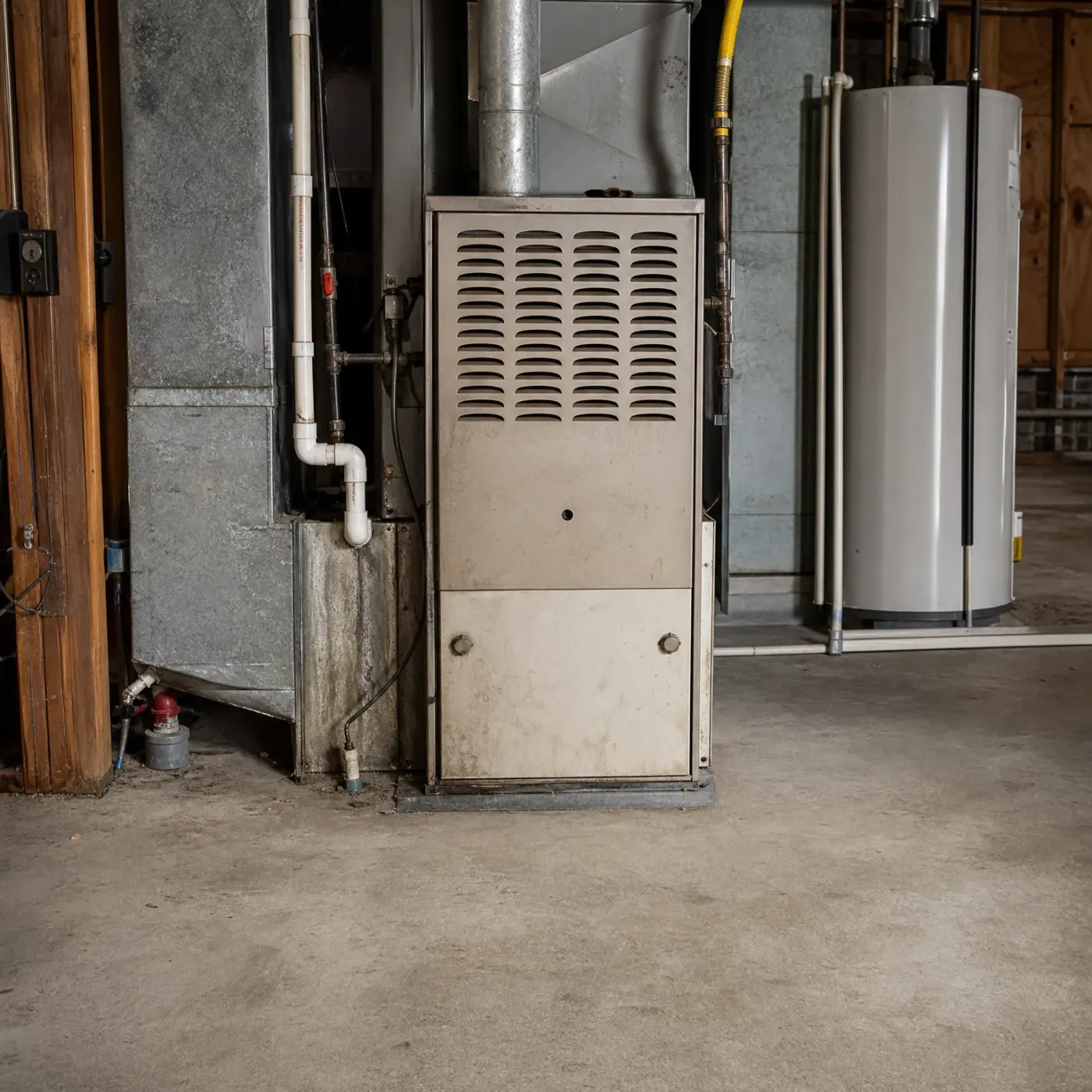
Winter nights average 15°F statewide
At 15°F your furnace is running most of the night just to hold the temperature, not cycling on and off like it does in milder weather. That long steady airflow is exactly when a loose blower wheel or a half-closed vent starts to whistle instead of staying quiet.
NOAA nClimDiv 1991-2020 county normals weighted by homes




What the Whistle Means
- A whistle means air is forcing its way through a spot that should be sealed or open, not a normal running sound.
- A dirty filter, a closed or blocked vent, a cracked duct, or a loose blower wheel are the usual causes.
- Long overnight runs at 15°F are when a minor restriction turns into a whistle you actually notice.
- The sound alone doesn't tell you which of those four it is, and some can get worse if left alone.
- A local contractor who services furnaces all winter can trace the sound to its source and fix it in one visit.
- Left unchecked, the cause of the whistle keeps the furnace working harder than it needs to all season.
A furnace that whistles is telling you air is squeezing through a space too small for it. That's the whole story. Where that space is depends on your house. Sometimes it's the filter, caked enough that air has to fight its way through instead of passing clean. Sometimes it's a vent pushed closed in a back bedroom, or a duct seam that's come apart somewhere between the furnace and the register. Sometimes it's the blower wheel itself, a few screws loose, spinning slightly off from where it should sit. Each of these makes its own version of the sound, and each gets worse under the same condition: long, steady runtime. On a 15 degree night, your furnace isn't cycling on and off the way it does in October. It's running for hours at a stretch, and that steady airflow is what turns a small gap into a sound you can't ignore from the next room. None of this tells you, just from listening, which of the four it is. A contractor who works on furnaces all winter in Iowa has heard this exact sound before, in houses not unlike yours, and knows where to check first and what to check next. Left alone, the restriction doesn't fix itself. Whatever's making your furnace strain to push air through is still there in January, still there in February, and your furnace is working harder than it should the whole time.


Furnace Repair
Describe it once
The pro who reaches out is licensed in Iowa.
