Furnace making a loud noise in Waukee, IA

Step 1 of 3: Equipment

Why is my furnace making a loud noise?

A loud noise from the furnace is hard to ignore once it starts, especially in the middle of a Dallas County winter when the system is running most of the day. Some noises mean the furnace needs a filter change. Others mean a part is about to fail. The kind of noise usually tells you which one you're dealing with, and whether it can wait until morning or not.

It depends on the sound, and most point to one failing part

A bang when the furnace starts usually means gas built up before it lit, which points to a dirty burner or a bad igniter. A screech points to the blower motor or a bearing going out. A rattle is often a loose panel, but it can also be a cracked heat exchanger, which is not safe to ignore. A boom from the ducts as they expand with hot air is normal in a gas furnace and nothing to worry about. With winters here running cold enough that the furnace runs for hours at a stretch, a part under that kind of strain tends to fail rather than fix itself. A furnace that bangs or screeches every time it starts needs a technician to open it up and find out which part it is.

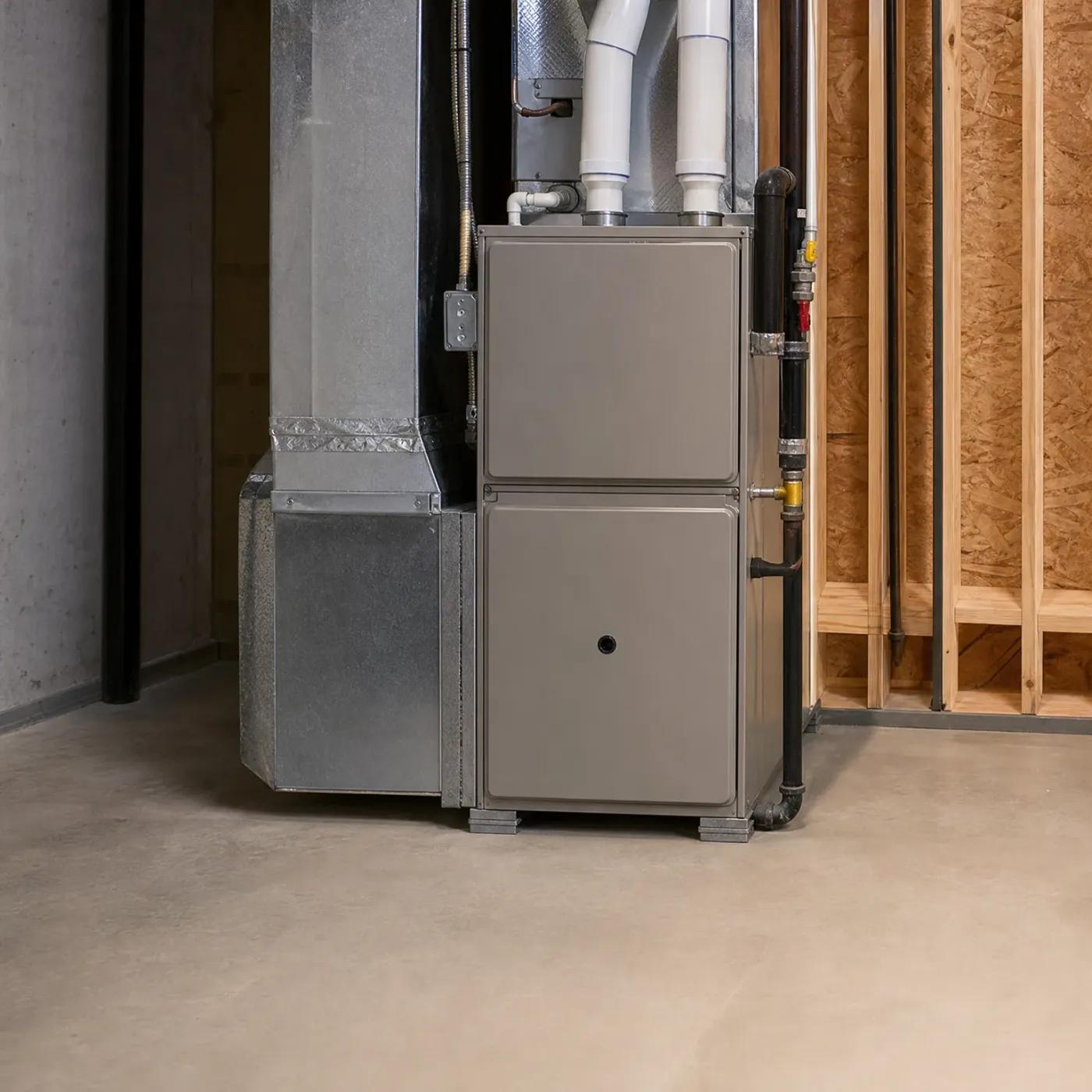
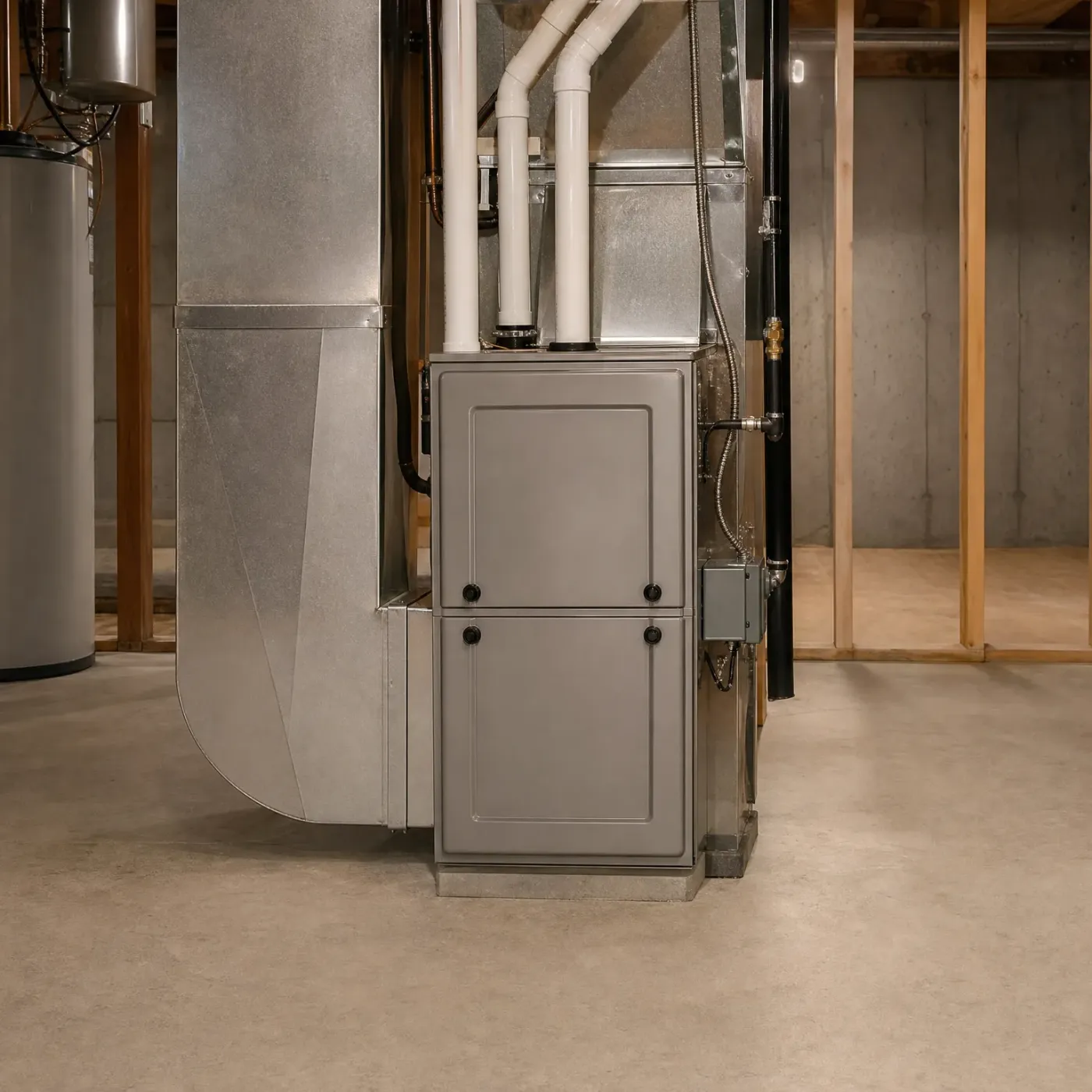
A gray high-efficiency furnace with white PVC vent pipes stands beside sheet-metal ductwork and a water heater in an unfinished basement with concrete walls and wood framing.
A furnace running quiet moves air through the ducts with a steady hum and nothing more, which is what normal sounds like.
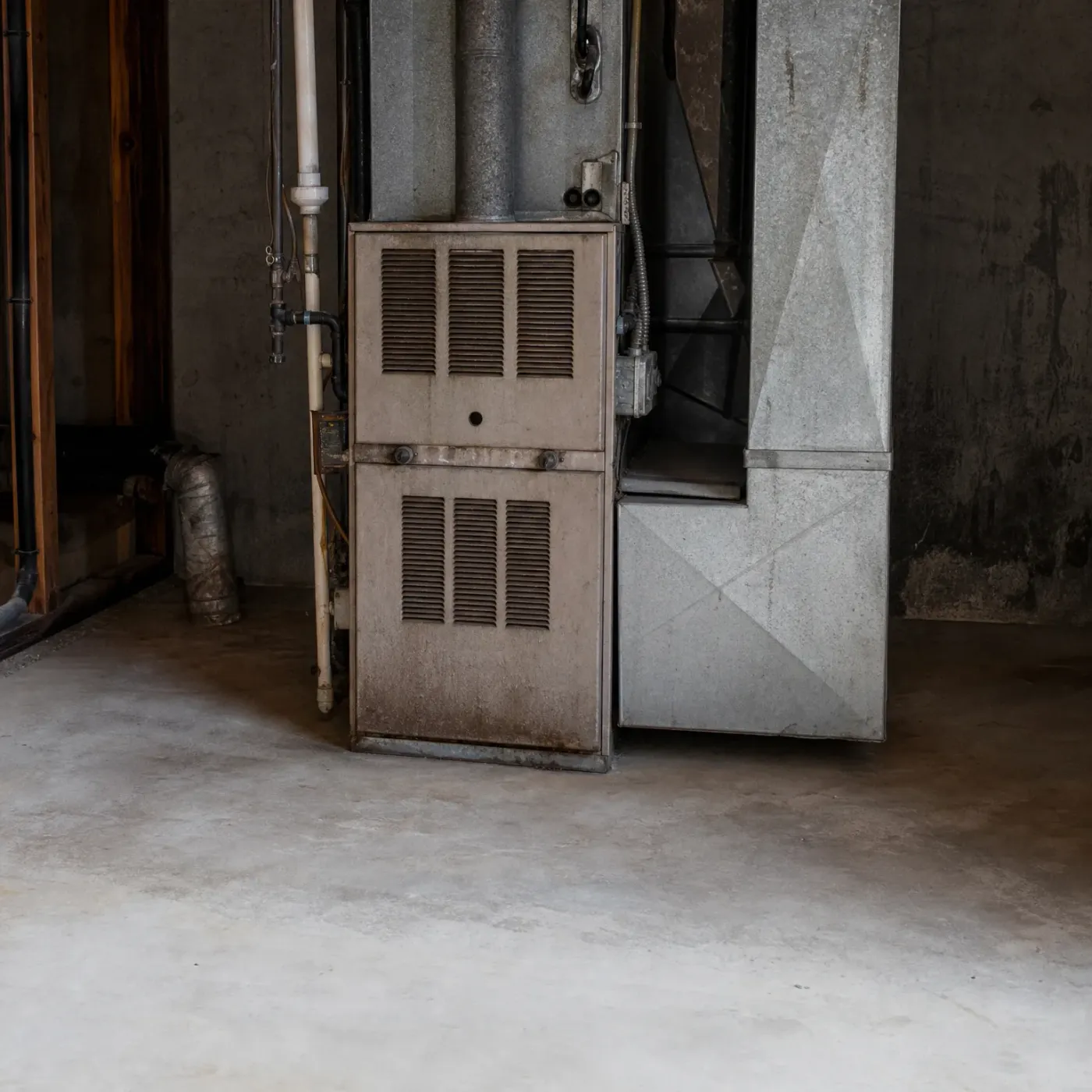
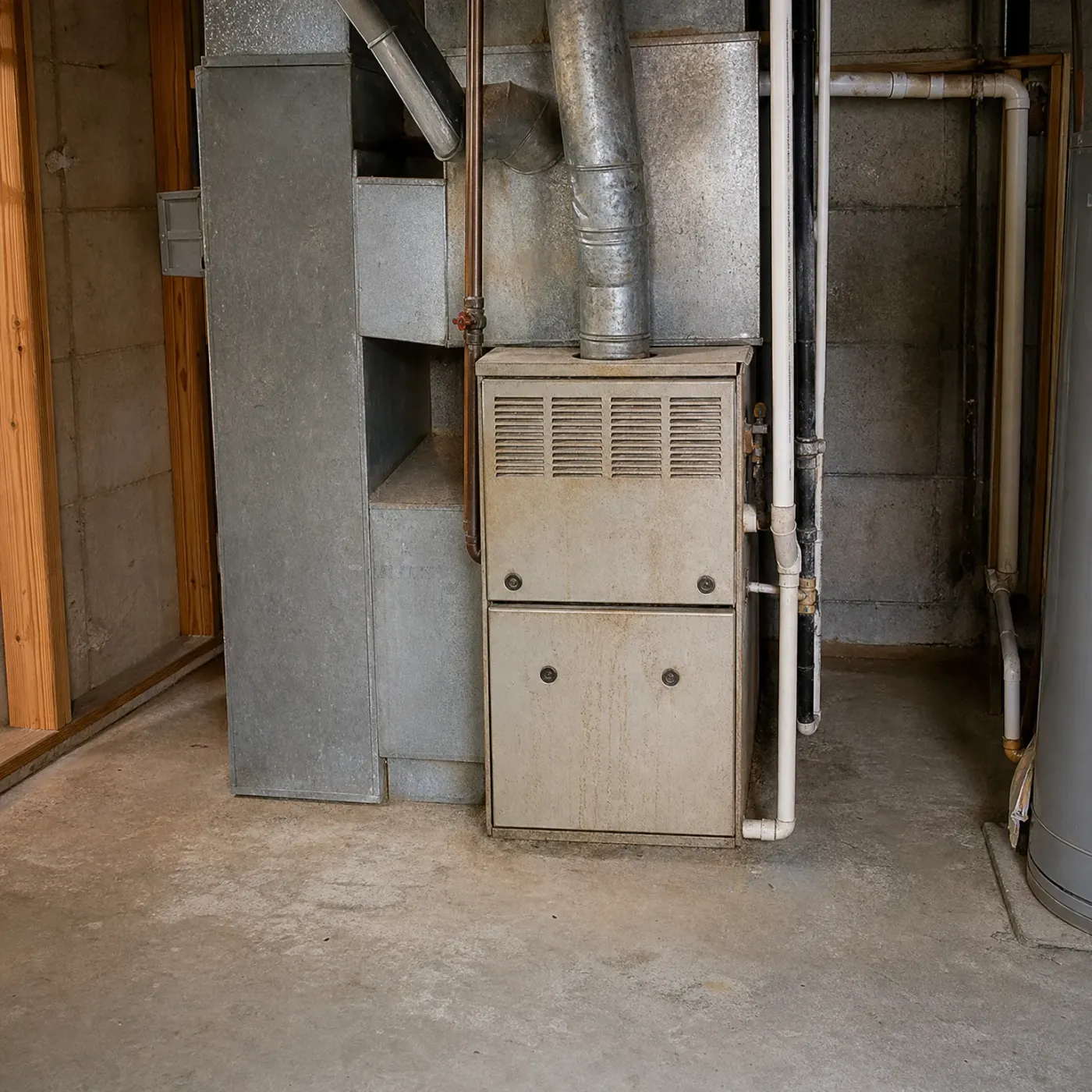
A beige gas furnace with a metal flue pipe stands in a basement against concrete block walls, beside sheet-metal ductwork, copper and white plastic pipes, and a water heater at right.
A furnace like this one, older and surrounded by galvanized ductwork, is more likely to bang, rattle or squeal as parts wear down.

A banging or rattling furnace in your house is more than a nuisance once Dallas County settles into real winter. If the noise is coming from a cracked heat exchanger or a failing blower motor, running the system on broken parts for even one more cold snap can mean it shuts down completely overnight, leaving you without heat until someone can get out to look at it. A squeal from a worn blower belt or motor bearing usually gets louder over days, not weeks, so the furnace that's noisy now is often the one that quits in a week or two. Rattling ductwork or a loose panel is less urgent, but it still means parts are vibrating loose somewhere in the system, and that same vibration can work on a part that matters more. The sound itself is the furnace telling you something changed. Waiting it out in January costs you comfort now and risks a bigger repair, or a cold house, later.

Why does a furnace noise matter so much here?

  • Winter nights average 15°F

    Overnight lows average 15°F here in December, January and February, so a furnace that quits on a bad part doesn't get a break before morning.

  • Heat runs October through May

    Heat runs here from October through May, about eight months of the year, which is a lot of hours for a worn part to fail at the wrong time.

  • 59.2% of homes heat with gas

    Gas heats 59.2% of homes in Dallas County, and a gas furnace making noise can mean a part near the burner or heat exchanger needs a trained eye.

NOAA nClimDiv 1991-2020 · ACS 2020-2024

Bang on startup

A loud bang right as the furnace kicks on usually means gas is building up in the burner chamber before it lights, then igniting all at once instead of catching smoothly. A dirty burner or a weak igniter can cause the delay. This kind of bang can crack the heat exchanger over time, since it puts a sudden jolt of pressure on a part that is not built to take one. It is worth having checked before it happens on every cycle.
Squeal while running

A high squeal that keeps going once the furnace is running usually points to the blower motor, either a bearing wearing out or a belt slipping if the furnace has one. This noise tends to get worse over days or weeks rather than showing up once and going away. Left alone, a worn bearing can seize the motor entirely, and a furnace with a dead blower cannot push warm air through the ducts at all, which matters most on the coldest nights of the year here.

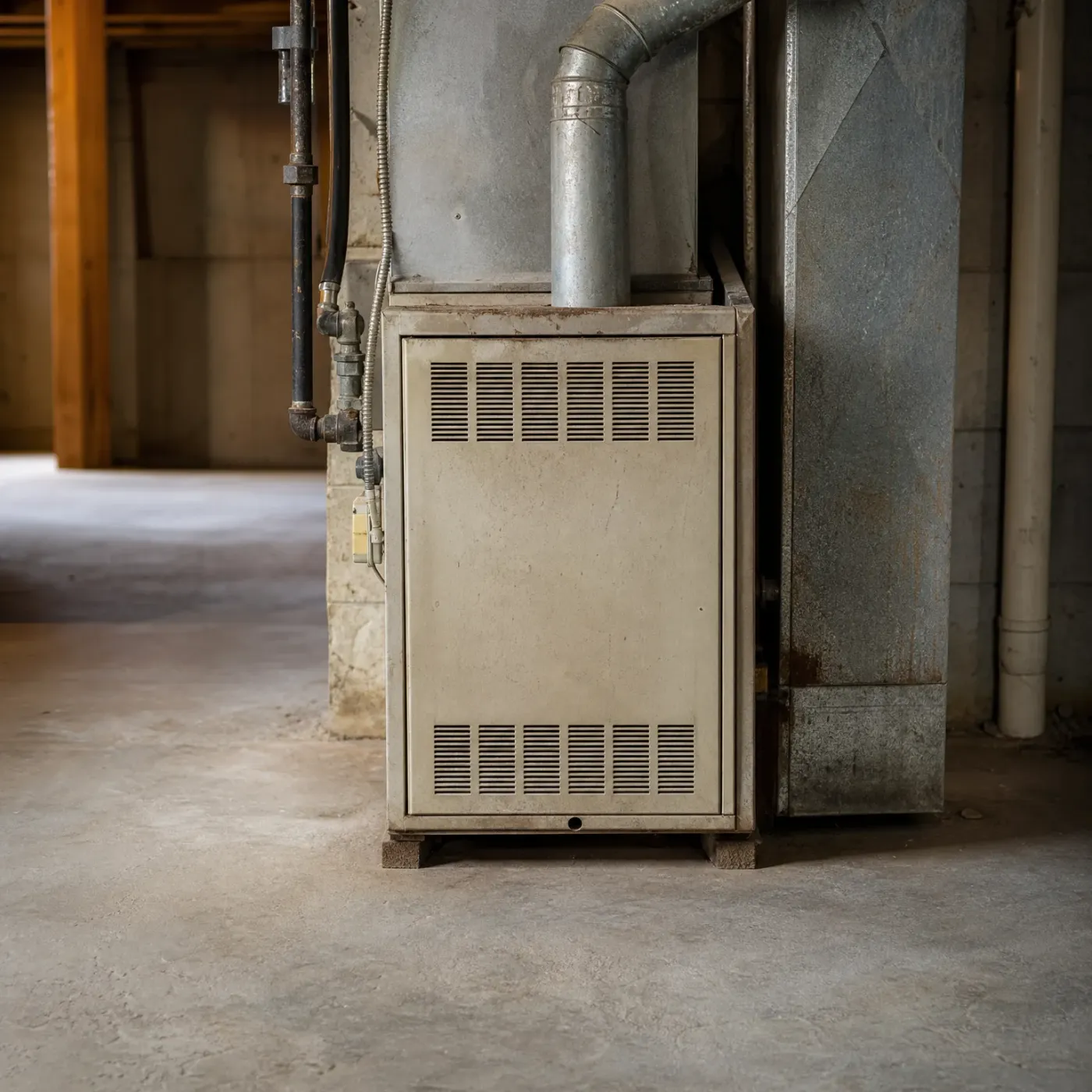
An older beige furnace with two louvered vent panels stands on a concrete basement floor, connected to galvanized ductwork and a metal flue pipe, with gas piping and flexible conduit on the wall behind.
Before you get your furnace repair
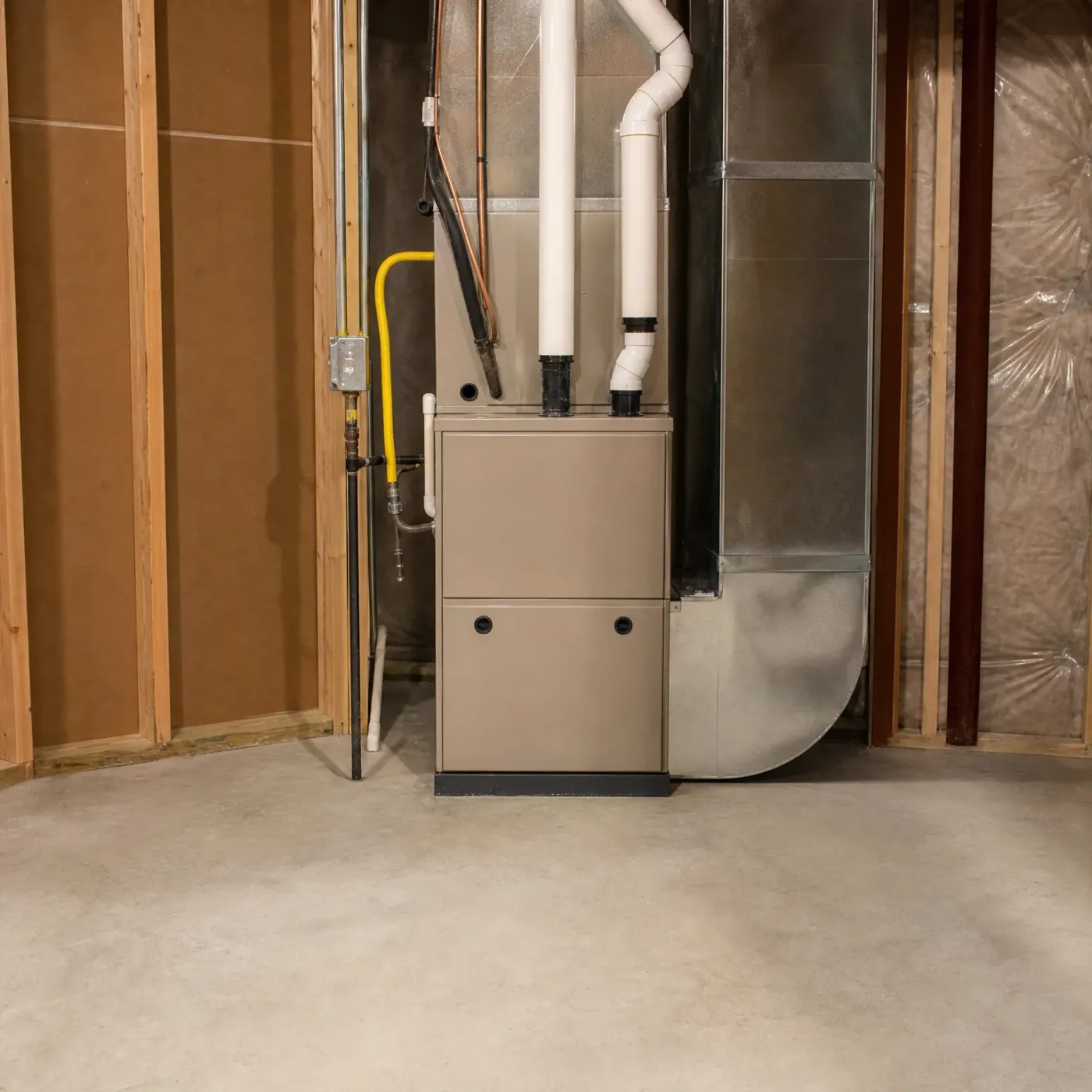
A beige high-efficiency furnace in an unfinished basement, with white PVC vent pipes, a yellow gas line, metal ductwork, and exposed wood framing on a concrete floor.
After you get your furnace repair

Let someone else find the pro

A licensed pro who repairs furnaces in Dallas County gets your request.

You're not committing to anything by asking.

A furnace that's been banging for a few weeks and still starts every morning can feel like it's fine to leave alone, since the heat keeps coming.

Worn parts don't hold steady. A cracked heat exchanger or a blower motor on its way out tends to get worse, not better, and it can fail on the cold morning you need it most.

A woman with shoulder-length dark brown hair in a cream knit cardigan sits in an upholstered armchair beside a window, looking off to the side, with a white bookshelf and potted plant blurred behind her.
A woman with dark hair in a bun sits wrapped in a chunky knit blanket on a couch with a child resting his head on her shoulder, eyes closed, beside a lit lamp and bookshelf indoors.

Fix the noise now

A local contractor checks the burner, igniter or blower motor and repairs or replaces the failed part, so the furnace runs quiet through the rest of winter.

Hand it over

Wait it out

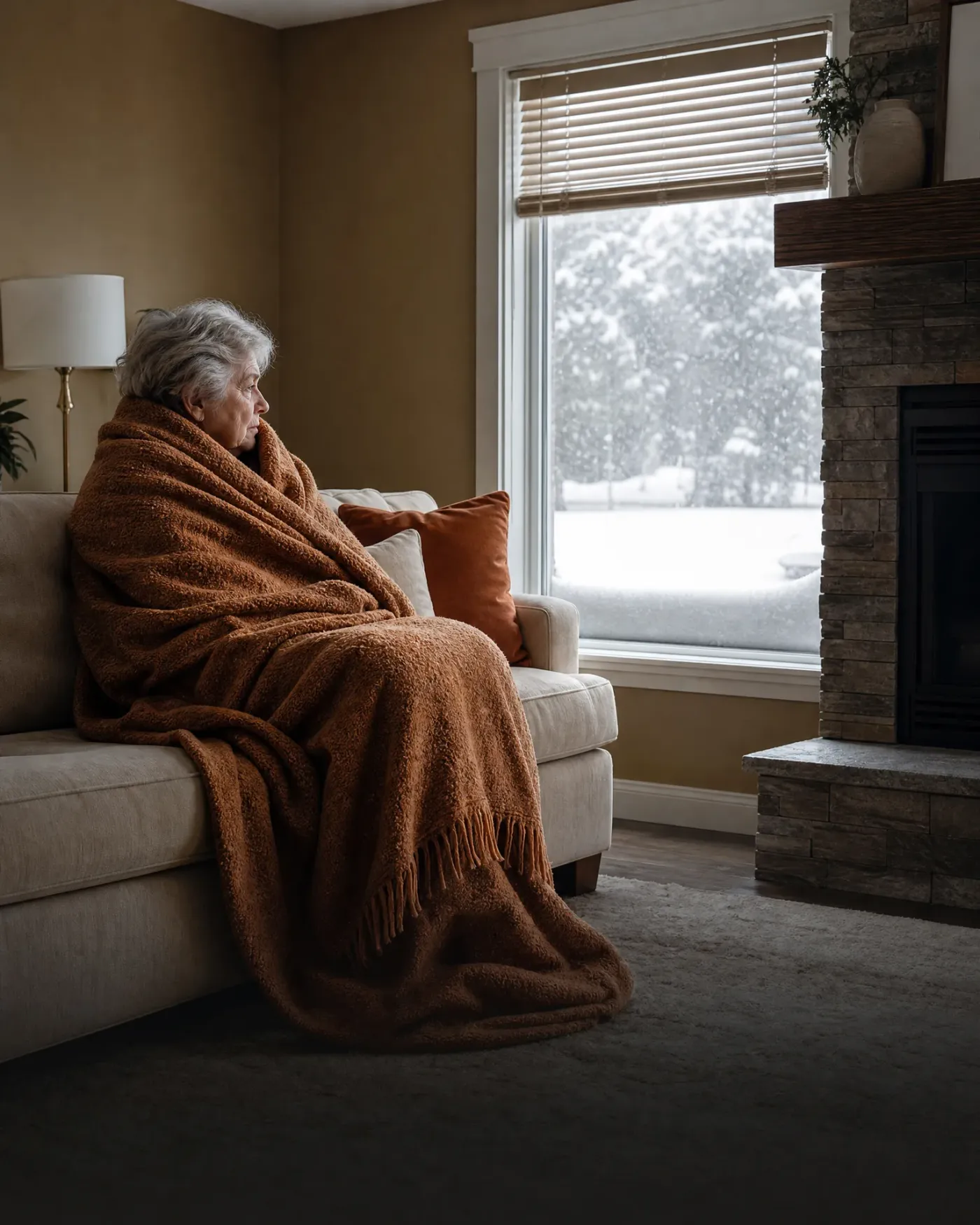
The noise usually gets louder as the part wears further, and a furnace that fails on a 15°F night in Dallas County leaves you without heat until it's fixed.

Hand it over

Get It Checked, or Wait

Call now

  • A contractor can check a bad igniter or a cracked heat exchanger before the next cold snap sets in.
  • One licensed local contractor takes the job, so you aren't fielding calls from five different companies.
  • A furnace that gets fixed while it's still running usually means a repair, not a full replacement.
  • Someone who services furnaces in Dallas County all winter knows which part fails first on a unit that bangs or squeals.
  • Getting the noise looked at now means you're not without heat on a night when it's 15°F outside.

Wait and see

  • The noise doesn't go away on its own, and most of the parts that cause it get worse with more run time.
  • A furnace that's rattling now and quits in January leaves you without heat until a contractor can get to it.
  • A cracked heat exchanger left alone can put exhaust into the house instead of venting it outside.
  • Waiting through more cold mornings puts more hours on a blower motor or igniter that's already failing.
  • The repair that would have fixed the noise today can turn into a bigger job once the part fails completely.
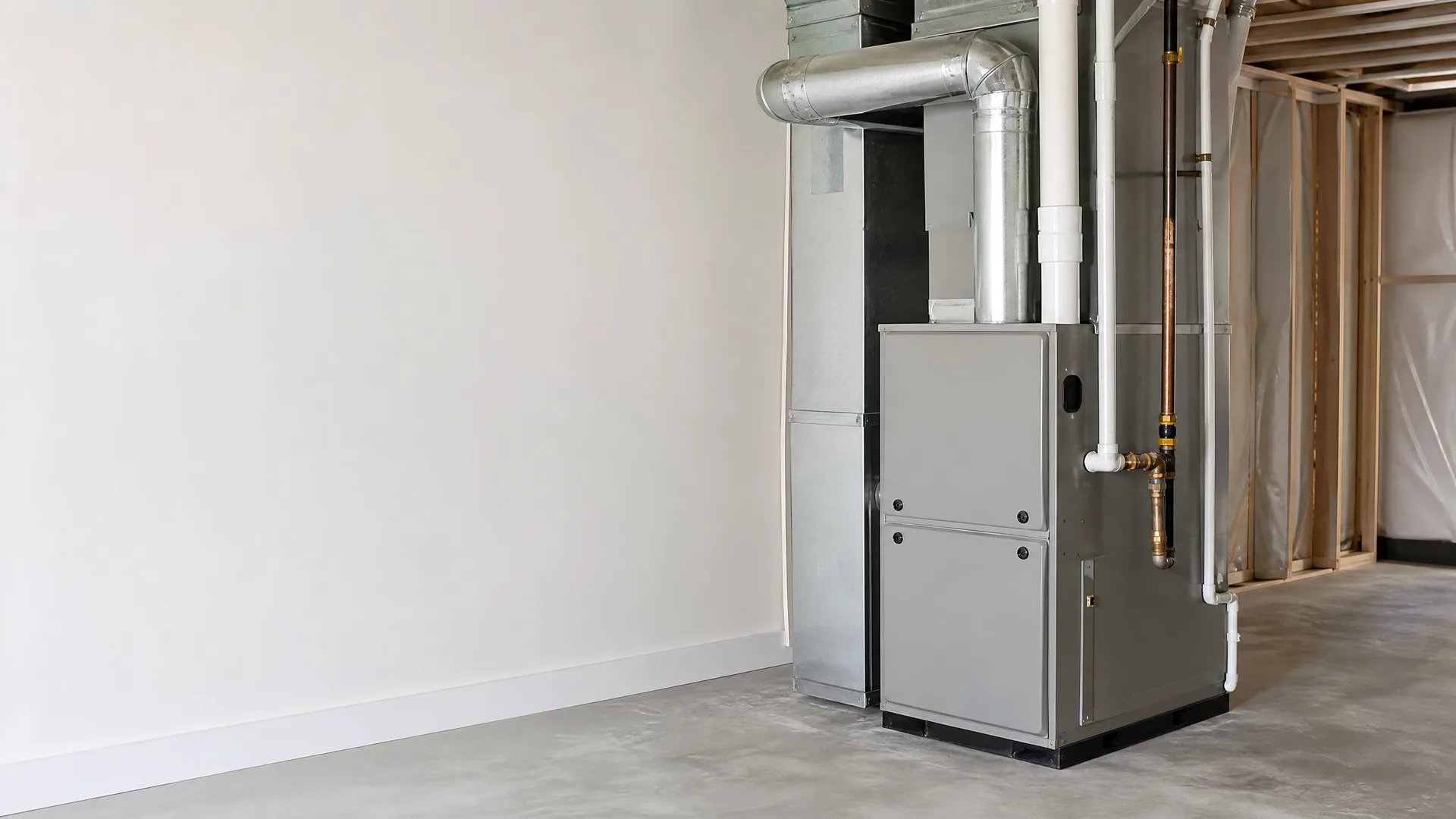
A gray high-efficiency furnace in a basement, connected to sheet-metal ductwork on the left and white PVC vent pipes above, with black gas and drain piping and an exposed wood-stud wall with OSB sheathing on the right.

Running the way it should

This is a furnace doing its job. Air moves through the ductwork, the gas line feeds the burners steady, and the exhaust vents out through the PVC pipe without a fight. No bang, no rattle, no squeal.

An older gas furnace with two louvered front panels stands on a concrete basement floor beside galvanized sheet-metal ductwork, pipes, and a weathered concrete wall.

Wear catching up with it

An older furnace like this one works harder to do the same job. Louvered panels loosen, moisture collects on the walls around it, and parts that have run for years start to bang or grind before they fail outright.

What is that noise doing to your house right now

Walk through the house while the furnace runs. You might hear the bang from the kitchen, or catch a squeal through the vents upstairs. Maybe there's a burning smell when it kicks on, or the sound only shows up every few cycles instead of every time. None of that means you have to wait and see. A furnace that bangs, rattles or squeals is telling you a part has already started to fail, and in a Dallas County winter it's running most hours of the day to keep up. The part doesn't rest between cycles, so neither does the problem. Left alone, the noise is usually the first sign you get before the furnace stops heating altogether, on a night you'd rather it didn't.

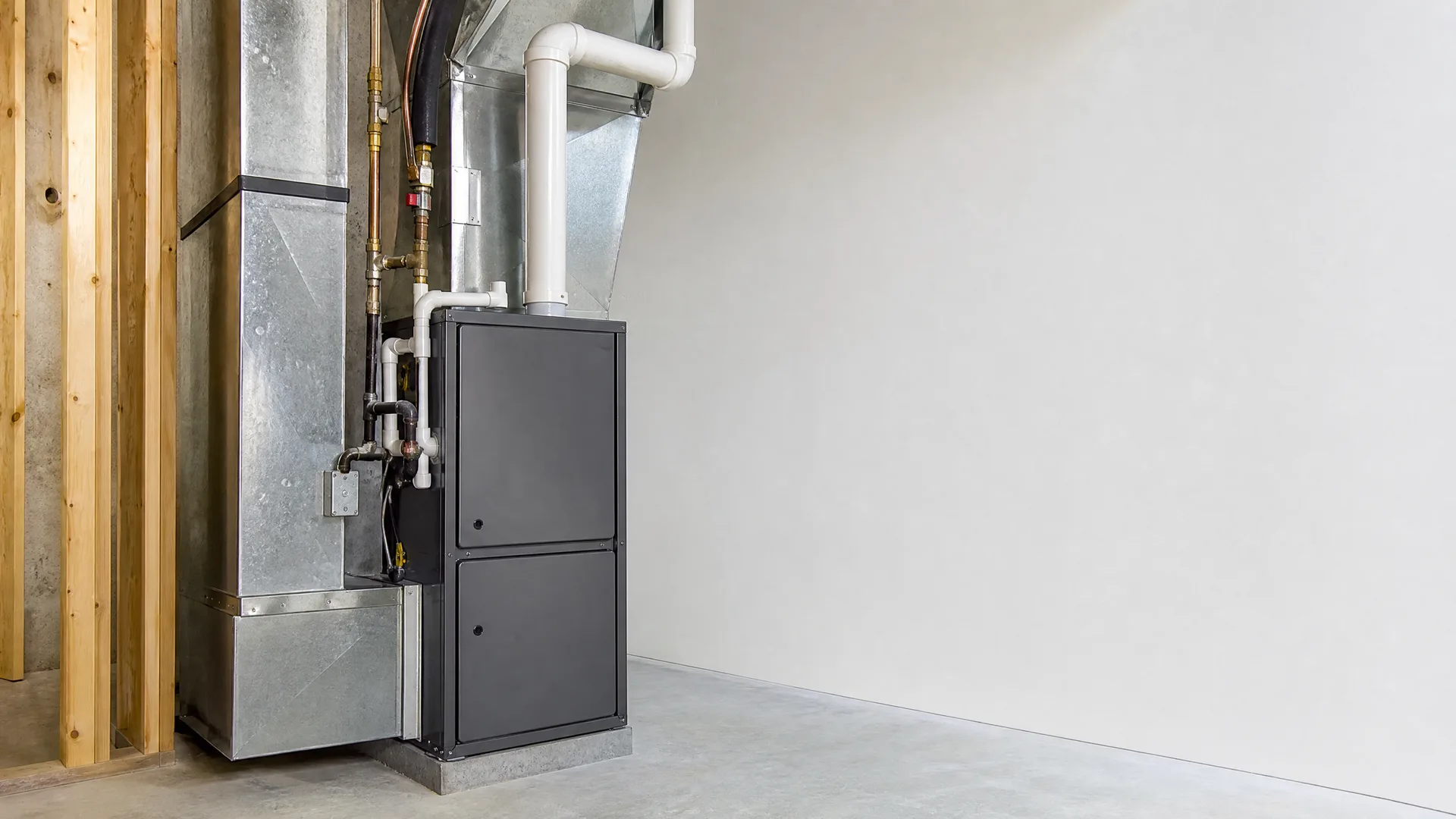
A dark gray furnace connected to galvanized sheet-metal ductwork, white PVC vent pipes and copper piping, standing against a plain light wall in a room with a bare concrete floor and exposed wood framing at left.

A contractor who knows this furnace

Someone who works on furnaces across Dallas County every winter has heard this noise before, in this kind of house, in this kind of cold. They know a bang on startup points first to the burner or igniter, and a squeal usually points to the blower. They check the part that actually tends to fail, not every part at once, and that's what gets the furnace quiet again without guesswork.

A gray high-efficiency furnace with sheet-metal ductwork, white PVC vent pipes and copper piping stands against a wall in an unfinished basement with a concrete floor and insulated wood stud framing at right.

One call, not five

Send the request once and it goes to a single licensed local contractor, not a list of companies competing for the job. You explain the noise once, to someone who's already set to look at it. That's the whole point of sending it in: finding the right person stops being your job the moment it's submitted, and the furnace gets looked at by someone who knows what usually goes wrong in a house like yours.

Winter nights average 15°F

At 15°F, the air coming out of your vents is doing real work against the cold outside. A furnace that bangs or squeals at that temperature isn't easing into the job, it's straining through it, and a part already worn has less room to hang on until morning.

NOAA nClimDiv 1991-2020

What to do about the noise

  • A bang on startup, a squeal from the blower, or a rattle in the ductwork each point to a different worn part.
  • The noise is the furnace telling you something failed or is about to, not a sound to wait out.
  • A licensed local contractor who works on furnaces all winter in Dallas County can trace the noise to its source fast.
  • One contractor takes the job, so you're not juggling calls from several companies trying to sell you a repair.
  • Fixing the part behind the noise now keeps the furnace running through the rest of a Dallas County winter.
  • Left alone, the part that's making noise tends to fail further, not settle down on its own.

A furnace that bangs, squeals or rattles is past the point of waiting. The sound points to a specific part, a burner, an igniter, a blower motor, a heat exchanger, and that part is already worse off than it was last week. Dallas County winters don't give a failing furnace much room. Overnight lows sit around 15°F from December through February, and a system running most of the day on a worn part has less chance of making it to morning without quitting outright.

A contractor who works on furnaces across this county every winter has heard this exact noise before, in homes with the same ductwork and the same cold snaps. That's not guesswork on their part. They know a bang on startup usually traces back to the burner chamber, and a squeal to the blower, before they even open the cabinet. That familiarity is what gets the right part checked first instead of the furnace taken apart piece by piece.

The match on this page is to one licensed local contractor, not a handful of companies bidding for the job. That means one visit, one diagnosis, and no sorting through calls from people who haven't seen your furnace. Once that contractor is on it, finding someone stops being something you have to manage. The noise gets traced to its source, the part gets fixed or replaced, and the furnace goes back to running the way it should for the rest of the season.

Interior corner showing a white painted column with paneled trim and chair rail meeting a wall with baseboard, beside light wood cabinetry with black bar pulls and a ceramic vase, over dark hardwood flooring.
Interior corner with a white-framed window showing green foliage, a pale wall with baseboard, light oak plank flooring, and a wooden cabinet with a dark ceramic vase on top.
A rustic wooden bench against a pale wall holds a weathered ceramic vase with leafy branches, below a black cone wall sconce, beside a window with sunlight falling on the wood floor.
A bathroom vanity with wood cabinets and a white marble countertop, black widespread faucet and undermount sink, a wood-framed mirror, a fabric-shaded wall sconce, a ceramic vase with green branches, and a window with white blinds.
Empty room corner with taupe walls, white wainscot paneling, crown molding, dark wood floor, and a double-hung window showing green foliage outside.

Done looking for a furnace pro

A licensed pro who works in Dallas County gets your request.

Hand off my repair

No charge to send it. You decide if you hire them.