Tell us about the job
Takes about a minute. No obligation.
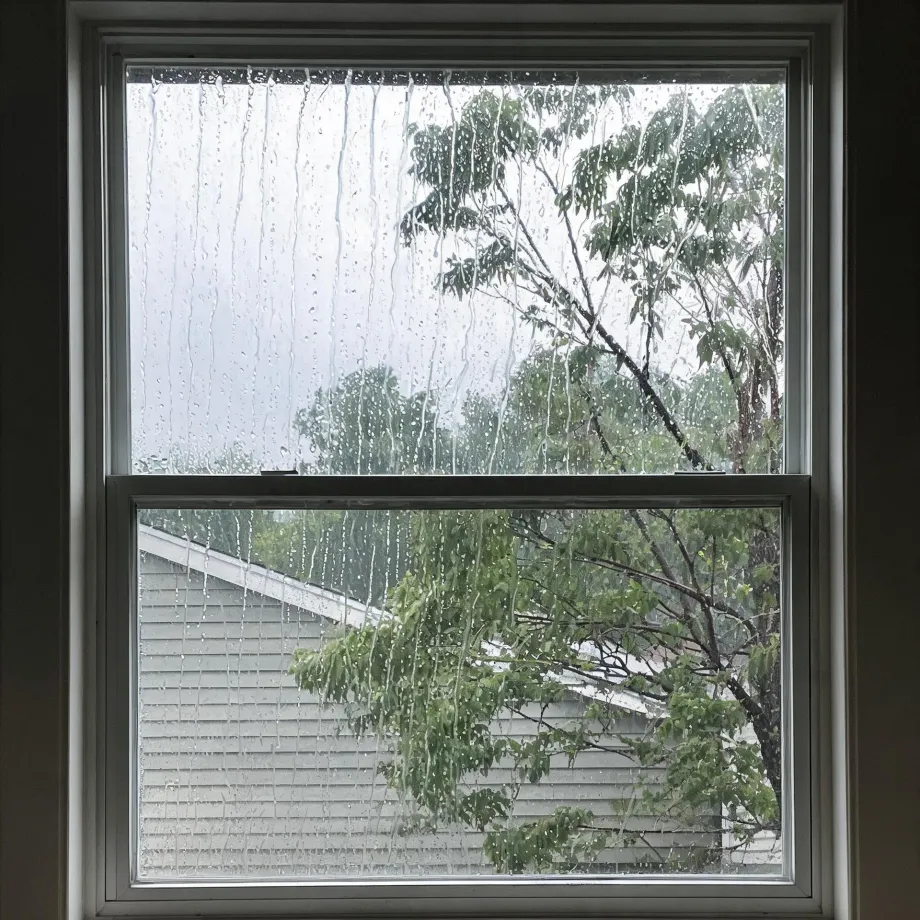
A furnace repair in Dallas County starts with what the system has already been through. 185 severe weather events were recorded in Dallas County, Iowa between 2015 and 2024. At that rate, severe weather is a standing condition of operating here, and it shows up in specific places: heat exchangers that have cycled hard through extreme cold snaps and pressure swings, and ignition components that have worked through repeated demand spikes. A contractor quoting a repair looks at those parts first, because that is where the load lands.
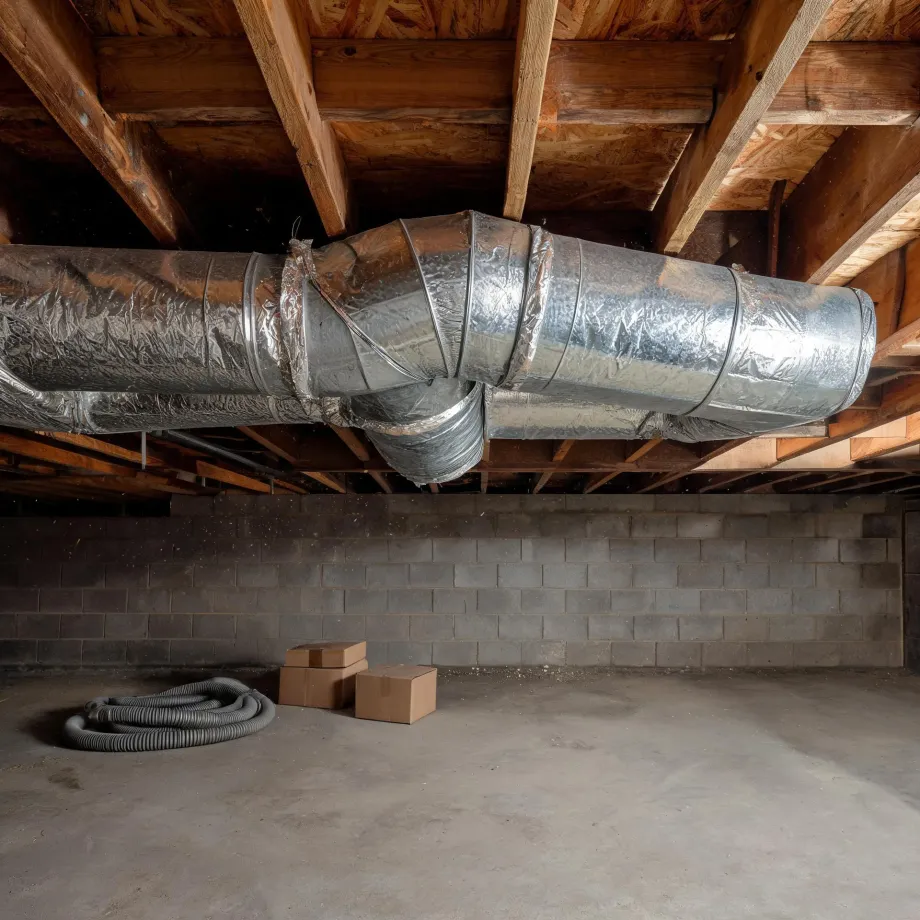
Half the homes in Dallas County, Iowa were built in 2006 or earlier (2020-2024 ACS 5-year). That puts the work squarely inside the equipment. When a technician opens a furnace here, the question is what the unit itself shows: worn heat exchangers, failed igniters, cracked pressure switches, and whether the replacement parts for that system are still available. The building around it is unlikely to be the complication. A furnace repair in Dallas County resolves on what the opened unit contains, not on what the house was built to carry.
The Parts of a Furnace a Contractor Checks First
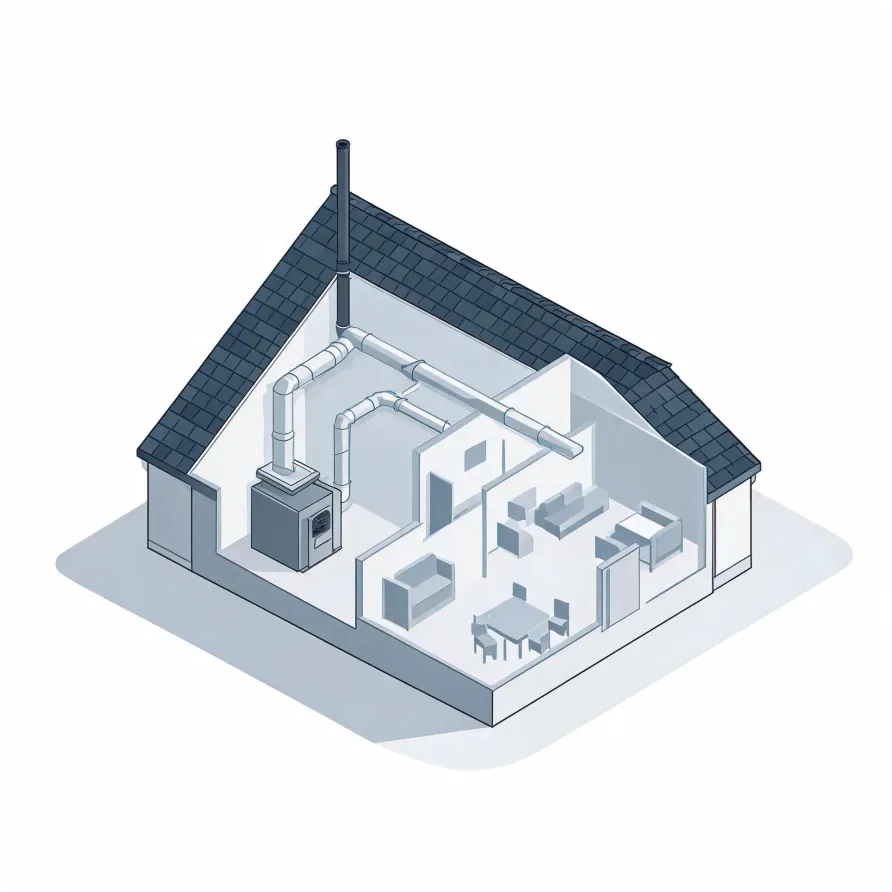
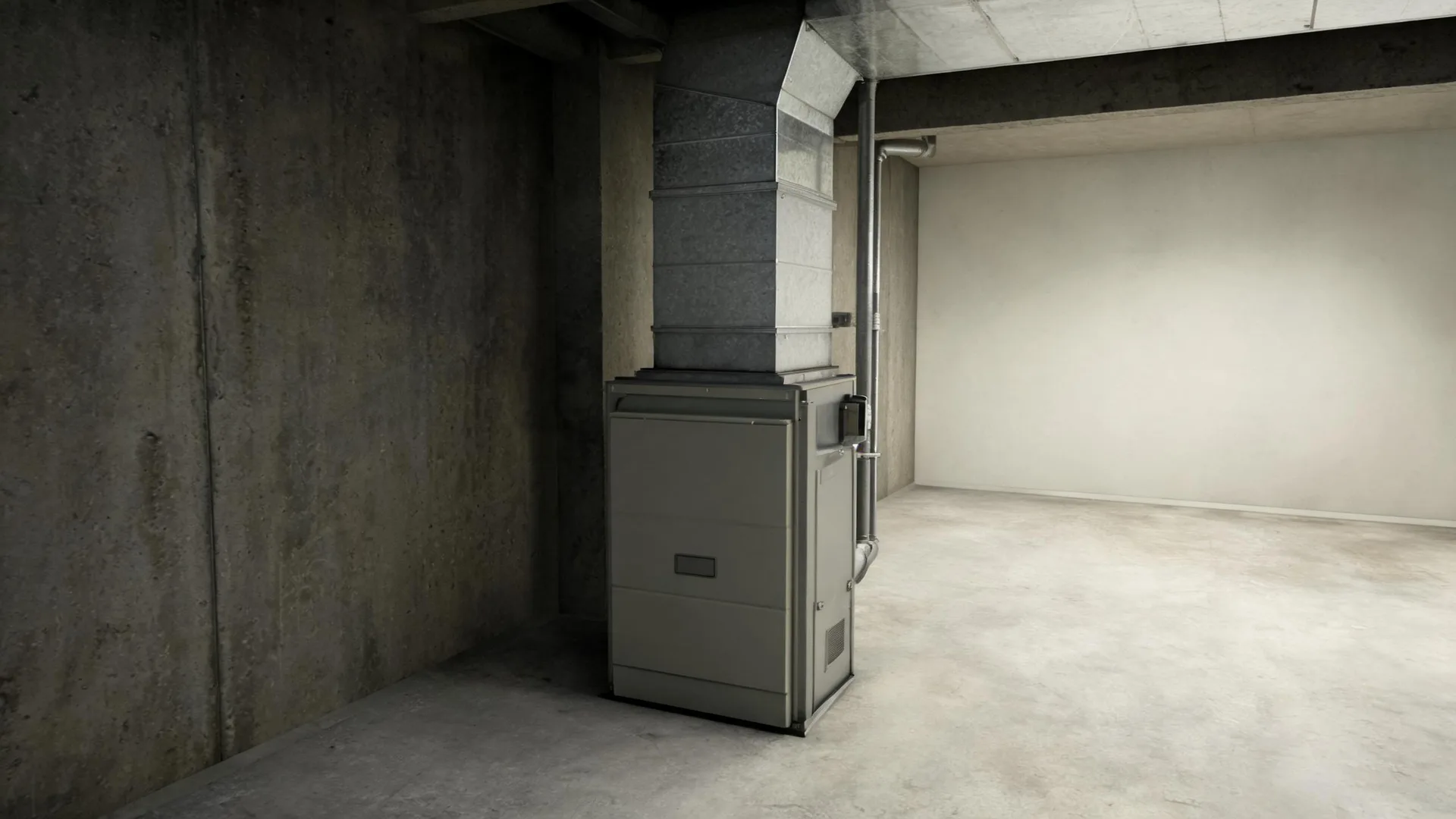
The furnace itself sits in a utility space, basement, or closet and is the piece a contractor goes to first. Inside it, the heat exchanger does the work of warming air, and a cracked or failing one is a common reason heat stops reaching the rest of the house. The burners and igniter sit close by and are among the first suspects when the furnace won't fire at all.
The blower motor and its fan assembly push conditioned air out through the supply side and pull return air back in. The flue or vent pipe runs from the furnace to an exterior wall or roof, carrying combustion gases out. A failing blower, a blocked flue, or a worn inducer motor each produce their own pattern of symptoms, which helps a contractor narrow down where the problem sits.
The drawing shows a general layout of the system, and a licensed contractor determines what applies to your specific home and equipment.
Get matched in Dallas CountyDallas County, Iowa, by the numbers
185 severe weather events were recorded in Dallas County, Iowa between 2015 and 2024.
NOAA National Centers for Environmental Information, Storm Events Database, bulk CSV export, events 2015-01-01 through 2024-12-31.Half the homes in Dallas County, Iowa were built in 2006 or earlier (2020-2024 ACS 5-year).
U.S. Census Bureau, 2020-2024 American Community Survey 5-Year EstimatesDallas County, Iowa holds 44,804 housing units (2020-2024 ACS 5-year).
U.S. Census Bureau, 2020-2024 American Community Survey 5-Year EstimatesOwners occupy 69.0% of the occupied homes in Dallas County, Iowa (2020-2024 ACS 5-year).
U.S. Census Bureau, 2020-2024 American Community Survey 5-Year EstimatesFurnace Repair Rules & Standards for Dallas County, Iowa5 sourced rules and standards
What the repair visit looks like
Non-weatherized gas furnaces manufactured on or after November 19, 2015 must reach 80.0 percent AFUE.
Non-weatherized oil-fired furnaces manufactured on or after November 19, 2015 must reach 83.0 percent AFUE.
Mobile home gas furnaces manufactured on or after November 19, 2015 must reach 80.0 percent AFUE.
Non-weatherized gas furnaces manufactured on or after December 18, 2028 must reach 95.0 percent AFUE, up from the 80.0 percent minimum that applies to units manufactured before that date.
Licensing and Legal Requirements in Dallas County, Iowa
Iowa requires a state licence to install or repair HVAC, refrigeration, mechanical or plumbing systems, and to operate as a contractor, with exceptions listed in section 105.11.
Severe Weather Events in Dallas County
Extreme weather puts real strain on heating equipment. Furnaces that cycle hard through weather stress are the ones that surface repair needs fastest, which is why local conditions shape what repair work in Dallas County actually looks like.
185 severe weather events, 2015–2024. Source: NOAA National Centers for Environmental Information, Storm Events Database.