Tell us about the job
Takes about a minute. No obligation.
A furnace repair call in Cass County starts with the system itself, not the sky outside. 85 severe weather events were recorded in Cass County, Iowa between 2015 and 2024. At that rate, severe weather touches equipment here, but it does not define what the equipment has been through. A contractor looking at a failed heat exchanger or a worn inducer motor will find the cause in how old the unit is, how well it was installed, and how consistently it has been serviced. Those are the variables that decide what needs replacing and what the repair costs.
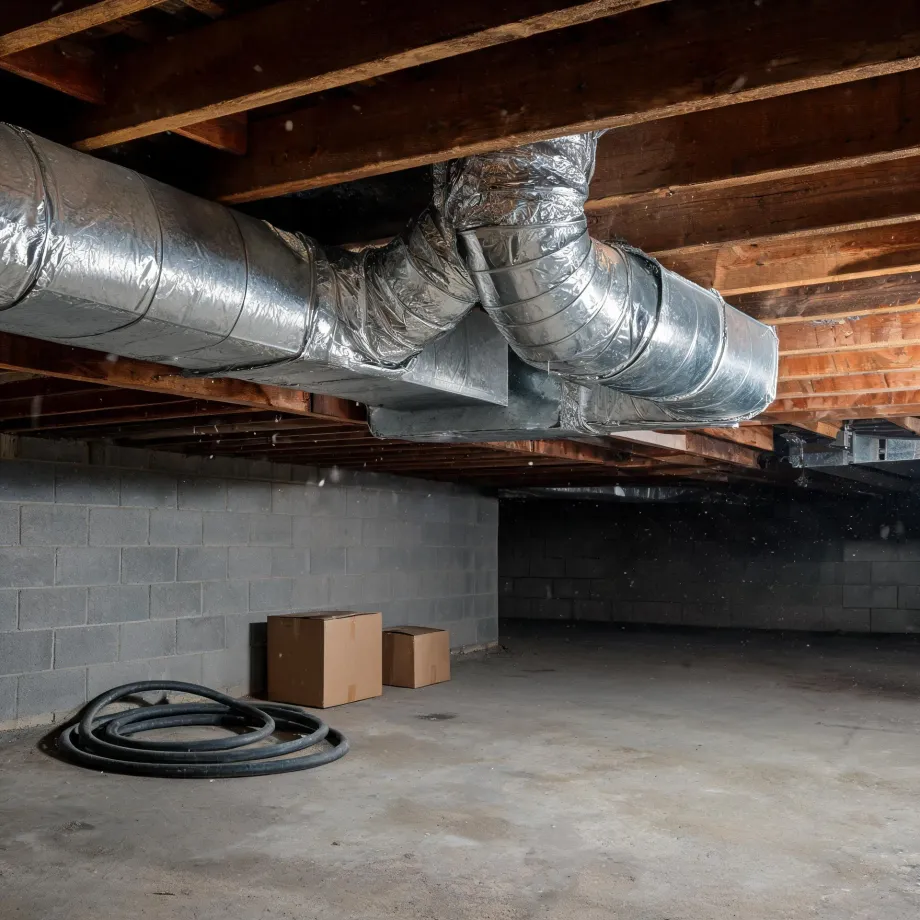
Half the homes in Cass County, Iowa were built in 1956 or earlier (2020-2024 ACS 5-year). A furnace running in a house that old has almost certainly been replaced at least once, but the replacement is still old enough that a contractor opening the unit may be looking for parts that have cycled out of standard supply. Sheet metal and combustion components from that era of furnace manufacturing are not always available through current distributors, and when they are, sourcing them adds time to the job. What the opened unit actually contains, and whether a matching part is still made, is what decides how that repair goes.
The Parts of a Furnace a Contractor Checks First
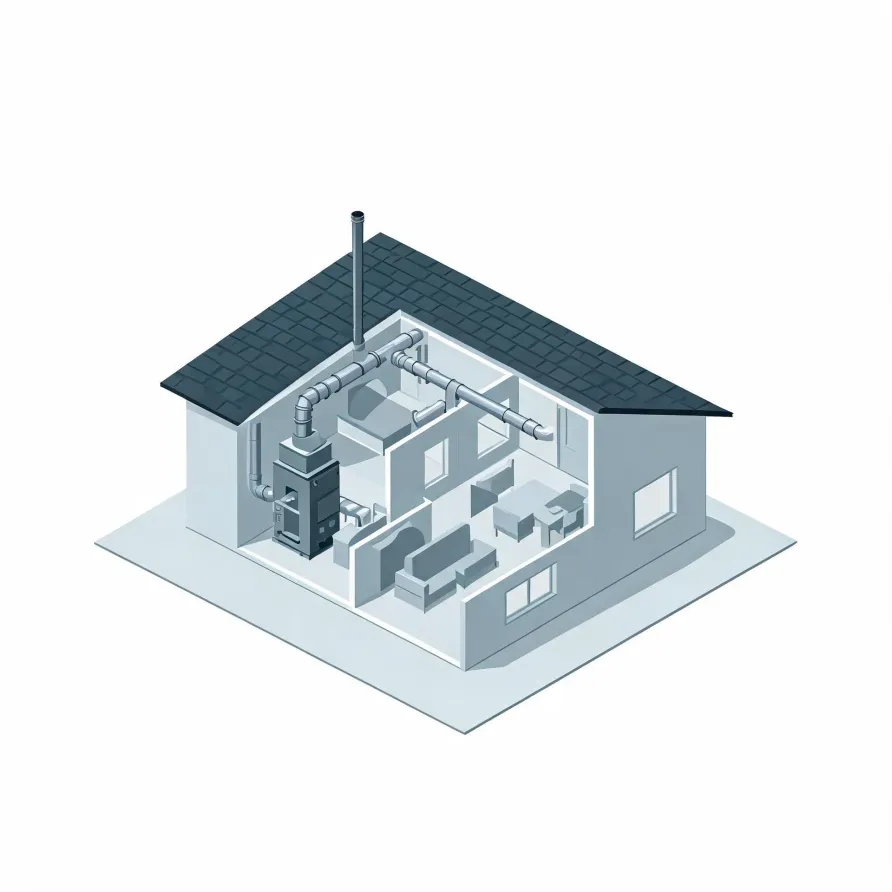
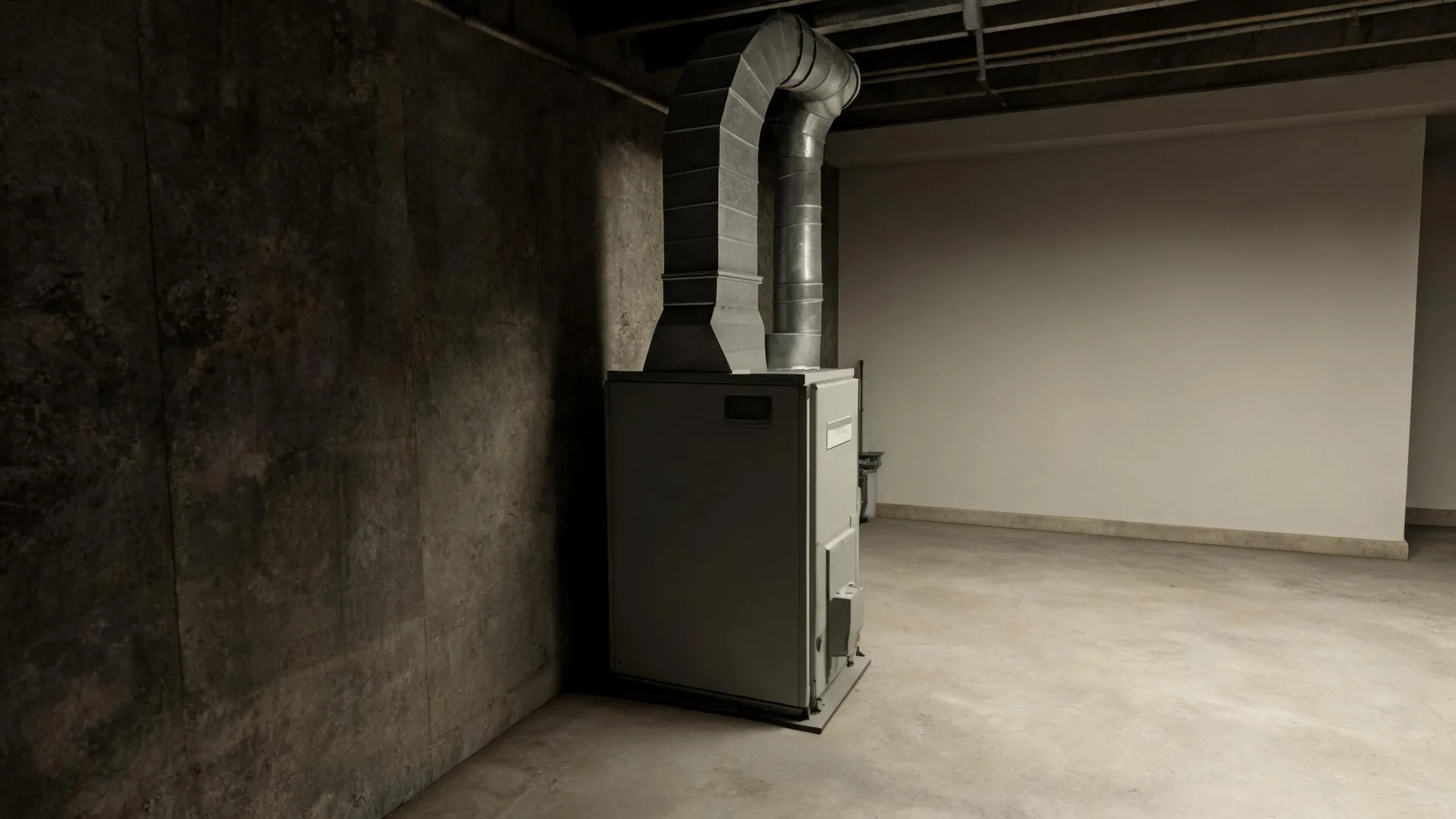
The furnace itself sits in a basement, utility room, or closet and is the piece a contractor goes to first. Inside it, the heat exchanger and burners do the core work, and a cracked heat exchanger or a burner that is firing unevenly will show up in the flue readings before anything else. The blower motor sits just below that assembly and pushes conditioned air out into the house.
The flue pipe runs from the furnace up and out of the house, carrying combustion gases away, and a block or a breach there can shut a system down fast. Sitting on the supply plenum or nearby, the limit switch and pressure switches watch conditions inside the unit and cut power when something is off. Those controls are small but a failed one stops the whole system.
The drawing shows a general furnace layout, and a licensed contractor determines which components and conditions apply to your specific home.
Get matched in Cass CountyCass County, Iowa, by the numbers
85 severe weather events were recorded in Cass County, Iowa between 2015 and 2024.
NOAA National Centers for Environmental Information, Storm Events Database, bulk CSV export, events 2015-01-01 through 2024-12-31.Half the homes in Cass County, Iowa were built in 1956 or earlier (2020-2024 ACS 5-year).
U.S. Census Bureau, 2020-2024 American Community Survey 5-Year EstimatesCass County, Iowa holds 6,393 housing units (2020-2024 ACS 5-year).
U.S. Census Bureau, 2020-2024 American Community Survey 5-Year EstimatesOwners occupy 71.6% of the occupied homes in Cass County, Iowa (2020-2024 ACS 5-year).
U.S. Census Bureau, 2020-2024 American Community Survey 5-Year EstimatesCodes & Standards Covering Furnace Repair in Cass County, Iowa5 sourced rules and standards
What the repair visit looks like
Non-weatherized gas furnaces manufactured on or after November 19, 2015 must reach 80.0 percent AFUE.
Non-weatherized oil-fired furnaces manufactured on or after November 19, 2015 must reach 83.0 percent AFUE.
Mobile home gas furnaces manufactured on or after November 19, 2015 must reach 80.0 percent AFUE.
Non-weatherized gas furnaces manufactured on or after December 18, 2028 must reach 95.0 percent AFUE, up from the 80.0 percent minimum that applies to units manufactured before that date.
Licensing and Legal Requirements in Cass County, Iowa
Iowa requires a state licence to install or repair HVAC, refrigeration, mechanical or plumbing systems, and to operate as a contractor, with exceptions listed in section 105.11.
Severe Weather Events in Cass County
Extreme weather puts real strain on furnace equipment, pushing it to run harder and longer than it would under mild conditions. How much of that pressure a system faces depends on where it sits, which is why local weather history belongs on a page about furnace repair.
85 severe weather events, 2015–2024. Source: NOAA National Centers for Environmental Information, Storm Events Database.