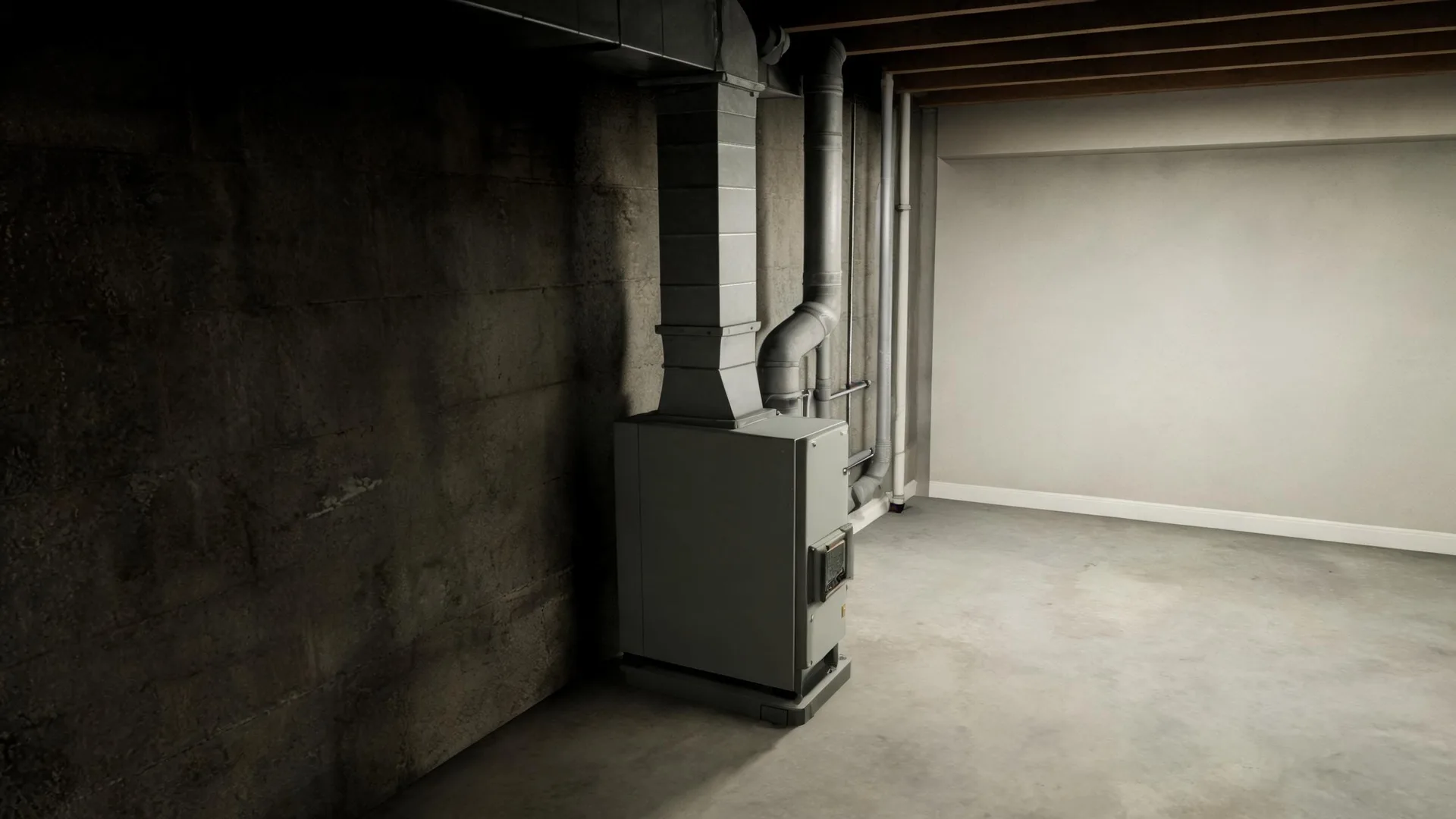
Tell us about the job
Takes about a minute. No obligation.
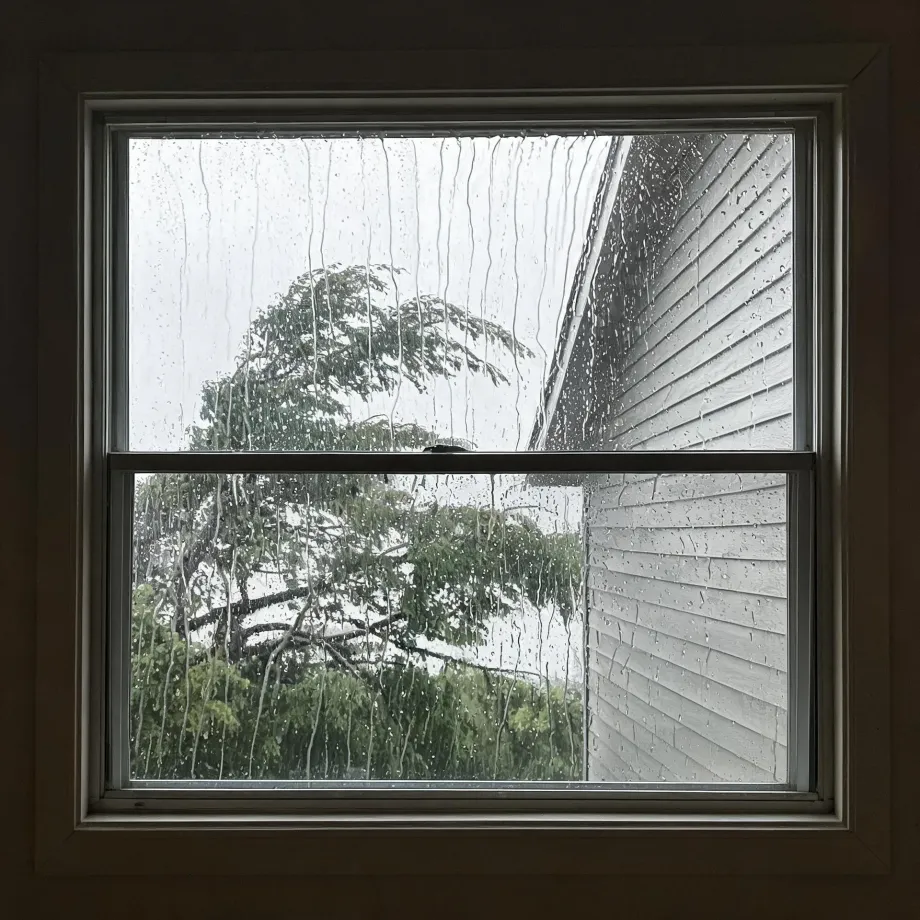
A furnace repair in Butler County starts with a question most homeowners don't think to ask: what has this system actually been running against? 119 severe weather events were recorded in Butler County, Iowa between 2015 and 2024. At that rate, severe weather is a standing condition here, and a contractor diagnosing a failed heat exchanger, a cracked inducer, or a worn blower motor has to separate ordinary age from the added stress that comes with a record like that. The part number matters less than the history behind it.
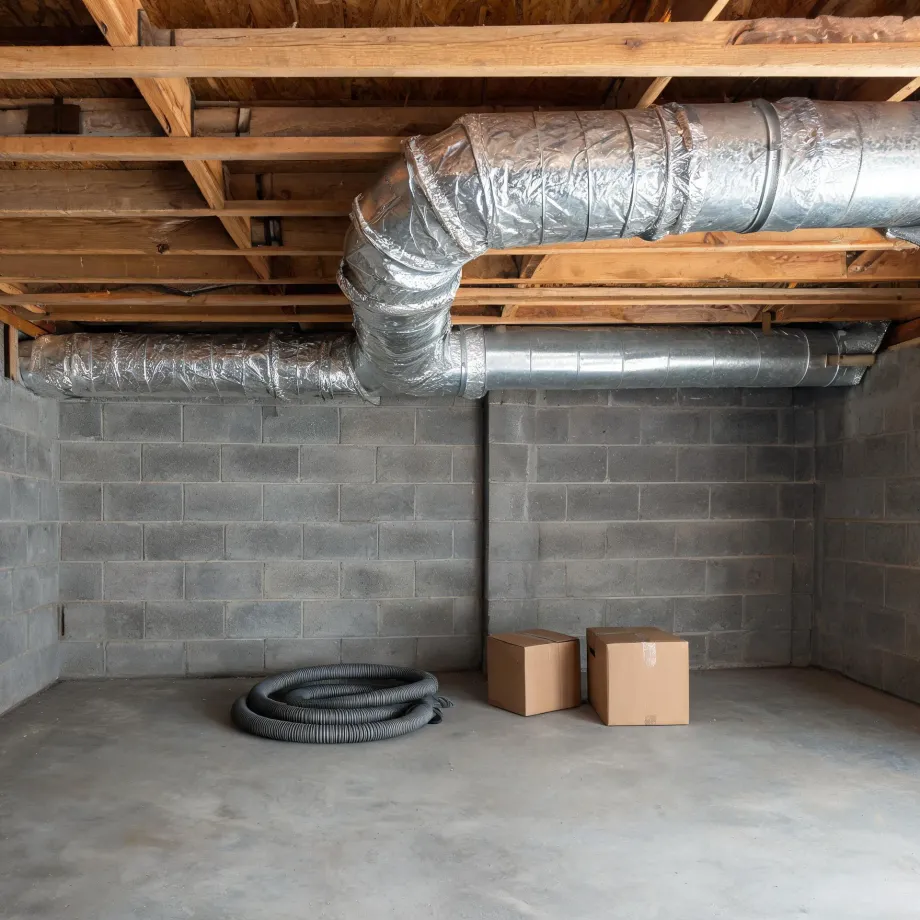
Ductwork in a house this old was sized and routed for whatever system came before the current one, sometimes more than once, and what a contractor finds once the furnace is open often comes down to whether the manufacturer still makes the component that failed. Half the homes in Butler County, Iowa were built in 1958 or earlier (2020-2024 ACS 5-year). That gap between the building and the equipment it now holds means a repair quote can hinge on parts availability as much as on labor, and a contractor pulling a heat exchanger or a control board in stock like this checks sourcing before promising a timeline.
The Parts of a Furnace a Contractor Checks First
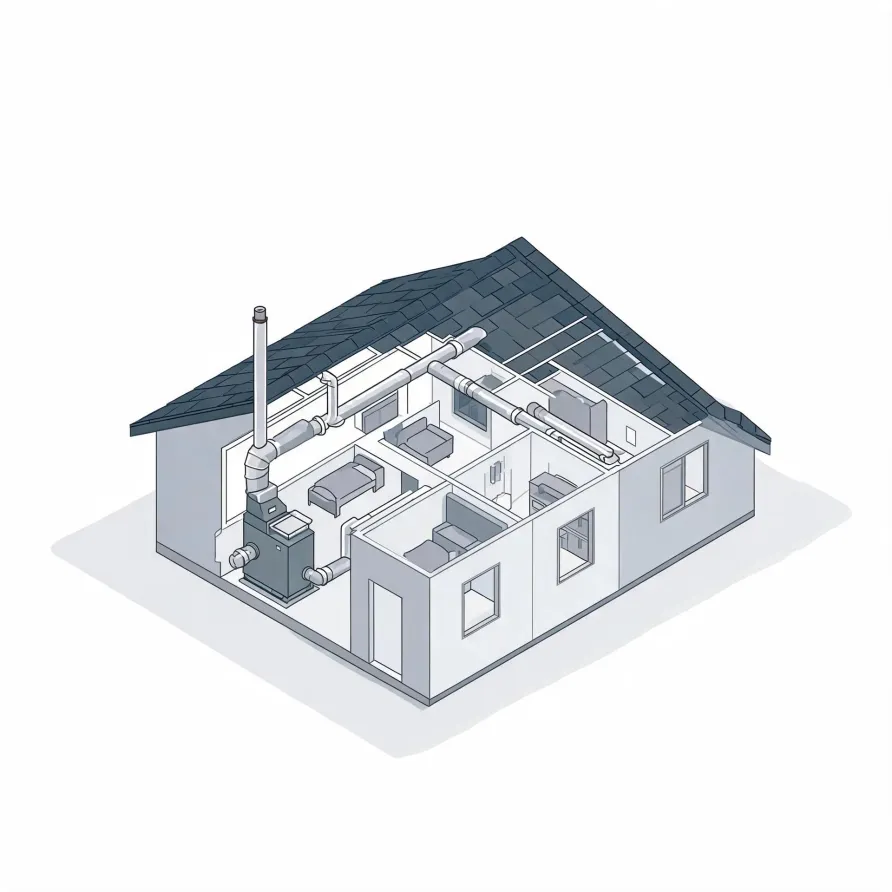
The furnace itself sits in a basement, utility room, or closet and is where heat is produced. Inside it, the heat exchanger is the part a contractor looks at closely when a homeowner reports uneven heat or strange odors, because a crack there affects both comfort and safety. The burners, which fire the heat exchanger, are another early stop when the furnace runs poorly or fails to ignite.
The blower motor sits inside the furnace cabinet and pushes conditioned air out through the supply side of the house. The flue or exhaust vent runs from the furnace to an outside wall or up through the roof, and a contractor checks it when combustion problems or pressure faults point that direction. The thermostat on an interior wall is often the first thing a contractor rules out before opening the cabinet.
The drawing shows a typical furnace layout, and a licensed contractor determines which components apply to your specific home and situation.
Get matched in Butler CountyButler County, Iowa, by the numbers
119 severe weather events were recorded in Butler County, Iowa between 2015 and 2024.
NOAA National Centers for Environmental Information, Storm Events Database, bulk CSV export, events 2015-01-01 through 2024-12-31.Half the homes in Butler County, Iowa were built in 1958 or earlier (2020-2024 ACS 5-year).
U.S. Census Bureau, 2020-2024 American Community Survey 5-Year EstimatesButler County, Iowa holds 6,570 housing units (2020-2024 ACS 5-year).
U.S. Census Bureau, 2020-2024 American Community Survey 5-Year EstimatesOwners occupy 84.1% of the occupied homes in Butler County, Iowa (2020-2024 ACS 5-year).
U.S. Census Bureau, 2020-2024 American Community Survey 5-Year EstimatesFurnace Repair Rules on the Books for Butler County, Iowa5 codes, standards & laws
What Happens When the Contractor Arrives
Non-weatherized gas furnaces manufactured on or after November 19, 2015 must reach 80.0 percent AFUE.
Non-weatherized oil-fired furnaces manufactured on or after November 19, 2015 must reach 83.0 percent AFUE.
Mobile home gas furnaces manufactured on or after November 19, 2015 must reach 80.0 percent AFUE.
Non-weatherized gas furnaces manufactured on or after December 18, 2028 must reach 95.0 percent AFUE, up from the 80.0 percent minimum that applies to units manufactured before that date.
Licensing and Legal Requirements in Butler County, Iowa
Iowa requires a state licence to install or repair HVAC, refrigeration, mechanical or plumbing systems, and to operate as a contractor, with exceptions listed in section 105.11.
Severe Weather Events in Butler County
Extreme weather puts real strain on furnace equipment, and that strain adds up over years of hard winters and volatile shoulder seasons. How often Butler County sees that kind of weather shapes how hard local furnaces work and how often they need attention.
119 severe weather events, 2015–2024. Source: NOAA National Centers for Environmental Information, Storm Events Database.