Is a high-efficiency furnace worth it in Davenport, IA
Is a high-efficiency furnace worth it in Davenport, IA?
Winters in Scott County run long and cold, and a furnace here works hard from roughly October through April. When you're looking at a new furnace, the price gap between a standard model and a high-efficiency one is real money up front, and it's fair to wonder whether gas savings actually close that gap where you live, especially with power priced the way it is here.
Yes, for most homes in Davenport that heat with gas through a hard winter
A high-efficiency furnace burns less gas to make the same heat, and in Davenport that matters because the furnace runs for months at a time, not just on the coldest nights. A standard furnace sends a good share of the heat from burning gas straight out the flue. A high-efficiency model pulls more of that heat into the house before it vents, usually through a second heat exchanger. Where gas is the main heating fuel and winter is long, that difference shows up on the bill every month you're running the furnace, not just a few times a year. Electricity being cheap here doesn't change that math, since it's gas you're burning to heat the house. The furnace still costs more to install, so it pays off over the years you keep it, not the first season.
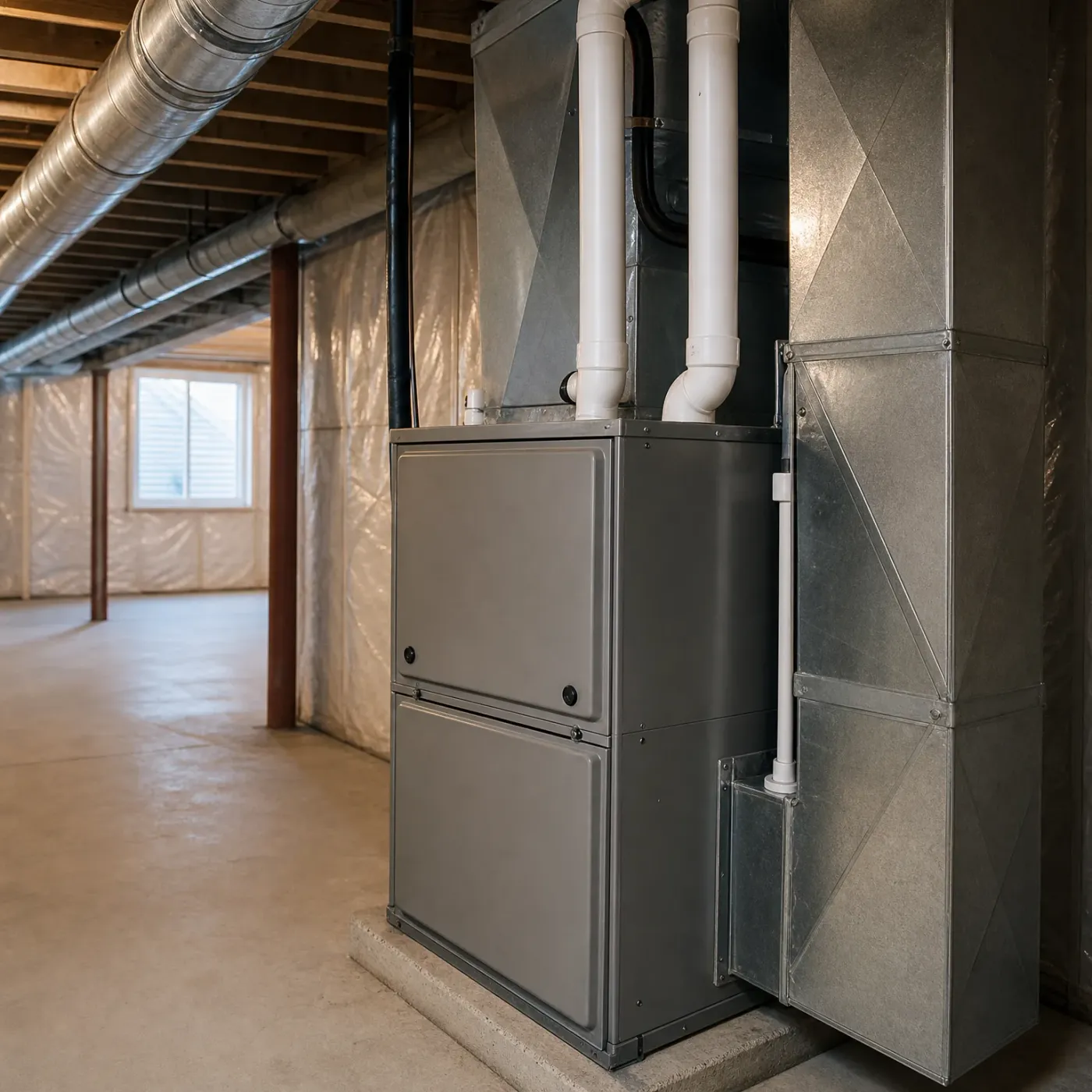
The burner lights and heats a sealed heat exchanger first.
A second heat exchanger pulls more heat from the exhaust.
Exhaust gas cools enough to condense into water.
A condensate drain carries that water out of the furnace.
What does a Scott County winter actually ask of your furnace?
Winter nights average 17°F
Overnight lows averaging 17°F mean your furnace runs long stretches at or near full output, not short bursts.
Heat runs October through May
Eight months of heat a year, October through May, is more than half the calendar riding on that furnace.
74% of homes heat with gas
With 74% of homes here burning gas, a high-efficiency model's lower gas use adds up over a season this long.
NOAA nClimDiv 1991-2020 · ACS 2020-2024
What This Means For Your House
- A furnace running near full output for eight months a year shows the fuel difference on your gas bill every month, not just in January.
- An old standard furnace paired with a new high-efficiency one over the same winter can leave a visible gap on consecutive bills.
- A furnace sized for Scott County winters that falls short runs longer cycles, so the efficiency gap compounds instead of staying flat.
- A cracked standard heat exchanger can mean carbon monoxide in the house, while a high-efficiency unit vents a second time through a sealed system.
- A condensate drain on a high-efficiency furnace needs to stay clear, or the unit shuts itself down rather than run unsafely.
- A furnace that sits unused most of the year outside of October through April still needs to start reliably on the first cold night.
Your furnace in Scott County runs from October through April, and for most of those months it is working hard, not idling. That long a run time is exactly where the fuel savings of a high-efficiency furnace show up, because the difference compounds every week the burner is on, not just during a cold snap. If your current furnace is a standard model nearing the end of its life, a side-by-side winter against a new high-efficiency unit would show on your gas bills, not just in theory. There is also a safety difference worth knowing. A standard furnace has one heat exchanger, and if it cracks, exhaust gas including carbon monoxide can get into the air your house breathes. A high-efficiency furnace pulls heat from the exhaust a second time through a sealed system, which changes how that risk plays out. That second pass also means the exhaust cools enough to condense, so the furnace has a condensate drain that has to stay clear. These units are built to shut themselves down rather than keep running if that drain backs up, which protects the equipment but means the drain line is something to keep in mind over a long winter. None of this matters if the furnace does not start reliably on the first cold night of the year, after sitting unused most of the spring and summer. A furnace sized correctly for this area's winters, installed so the exchanger and drain are both working as they should, is what makes the efficiency gap real instead of theoretical.




A furnace pro near you
A licensed installer who works in Scott County gets your project.
Get in touch with a local installer about a new furnace.
No fee to send it, and nothing to sign.
Standard vs. High-Efficiency Furnace
Standard Furnace
- Installation costs less upfront, which matters if you're also budgeting for other work on the house.
- Venting uses a metal flue instead of PVC pipe, which can simplify installation in some homes.
- The mechanics are simpler, with one heat exchanger instead of two, so there's less that can go wrong.
- Fuel use stays higher through the eight-month heating stretch from October through May.
- Parts and labor for repairs are often cheaper since standard furnaces have been the common choice for decades.
- You lose the chance to lower your gas bill for as long as this furnace is in the house.
High-Efficiency Furnace
- A second heat exchanger pulls extra heat out of the exhaust before it leaves the house, burning less gas for the same warmth.
- Lower gas use shows up on the bill every month of the winter, not just in the coldest stretch.
- Installation needs a condensate drain and PVC venting, which can add work if your home wasn't set up for either.
- The added parts, the second heat exchanger and the condensate system, mean more that can need service over the furnace's life.
- A condensate line that isn't sloped or insulated right can freeze or clog in a Scott County winter and shut the furnace down.
- Because Scott County winters run long, a furnace that runs near full output for eight months gets more use out of the efficiency gain than it would somewhere milder.
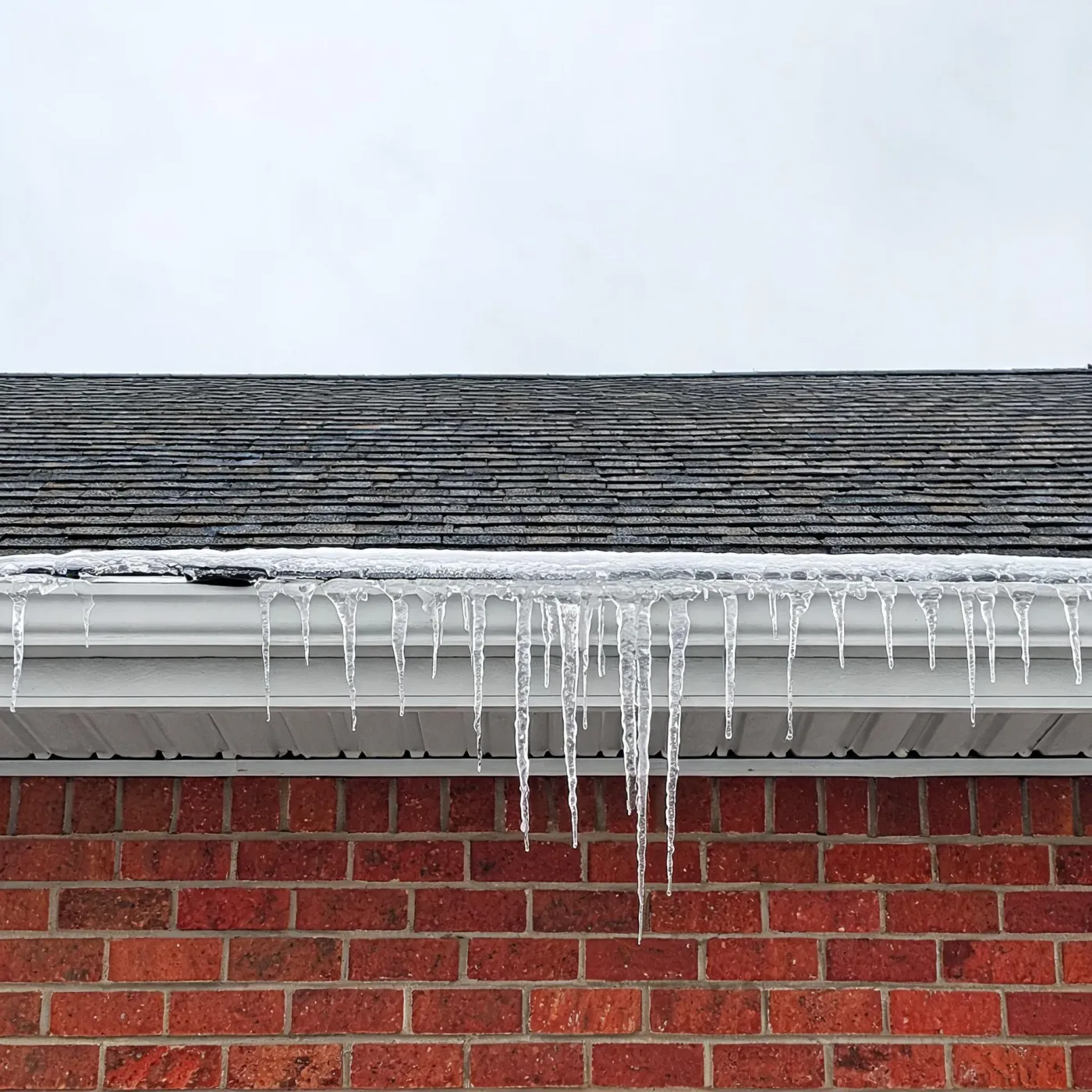
A furnace in Scott County isn't cycling on for a few minutes and shutting off. Overnight lows averaging 17°F keep it running long stretches just to hold the house steady until morning. That's the kind of run time where the difference between a standard furnace and a high-efficiency one shows up, because every hour of burner time either wastes heat up the flue or keeps it in the house. You'd notice it as a furnace that seems to never fully quiet down on the coldest nights, and a gas bill that reflects every one of those hours.
NOAA nClimDiv 1991-2020
A high-efficiency furnace earns its keep in Scott County because the winter here gives it eight months of work to do, not two or three. That long run time is what turns a fuel savings on paper into a real gap on your gas bill. A standard furnace still has a place, especially if the lower upfront cost is what makes the rest of the budget work. Either way, the right call depends on your house, your current furnace, and what the venting and ductwork already in place will allow. A local contractor who installs furnaces in this county every winter will know which homes make sense for the switch and which don't, and can look at your setup directly instead of guessing from general rules. That's a narrower, more useful answer than anything a page like this can give you, and it comes from one licensed installer, not a handful of companies competing for the job.
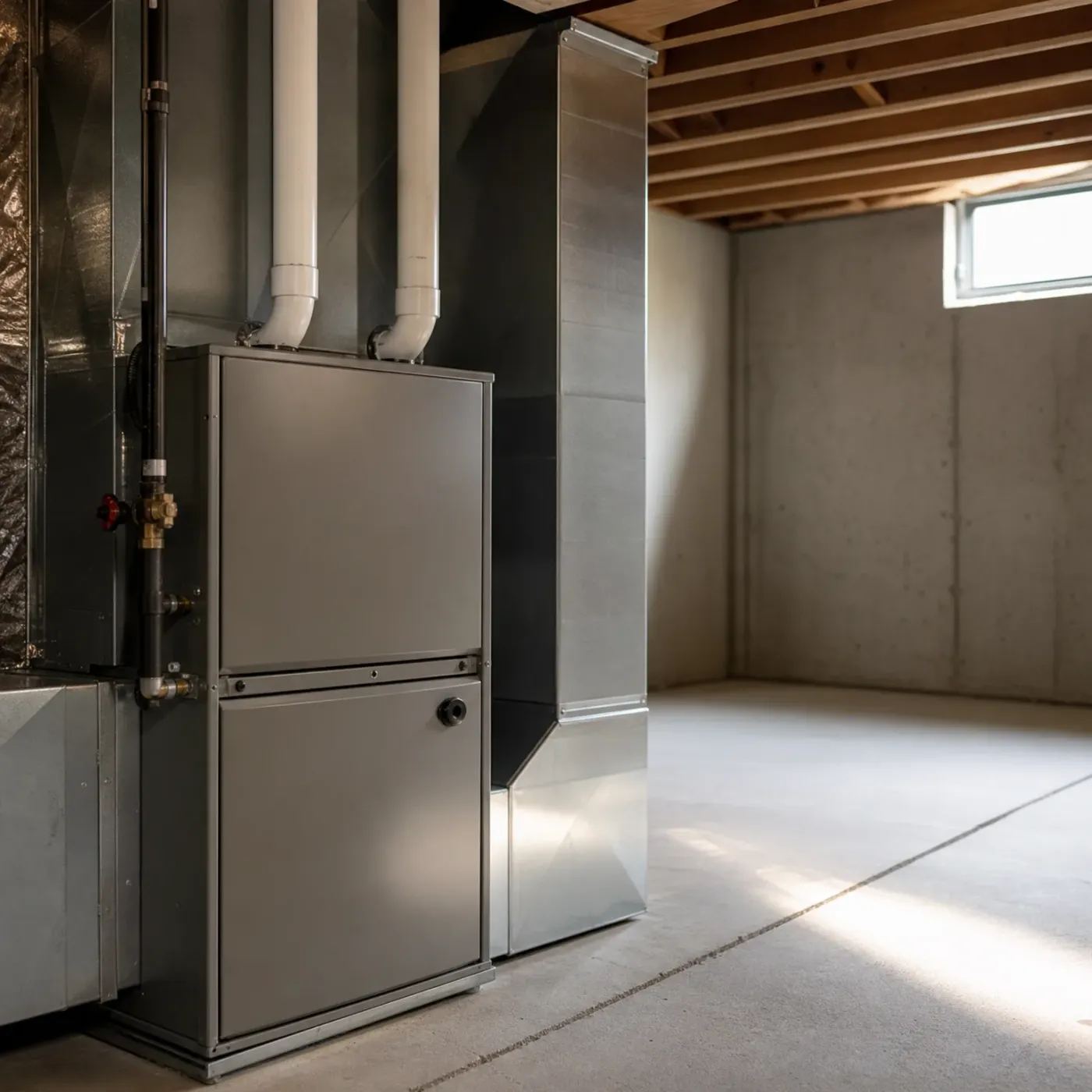
Get matched with a furnace pro in Scott County
The pro who gets in touch is licensed in Iowa and works in Scott County.
Sending the form costs nothing.