Tell us about the job
Takes about a minute. No obligation.
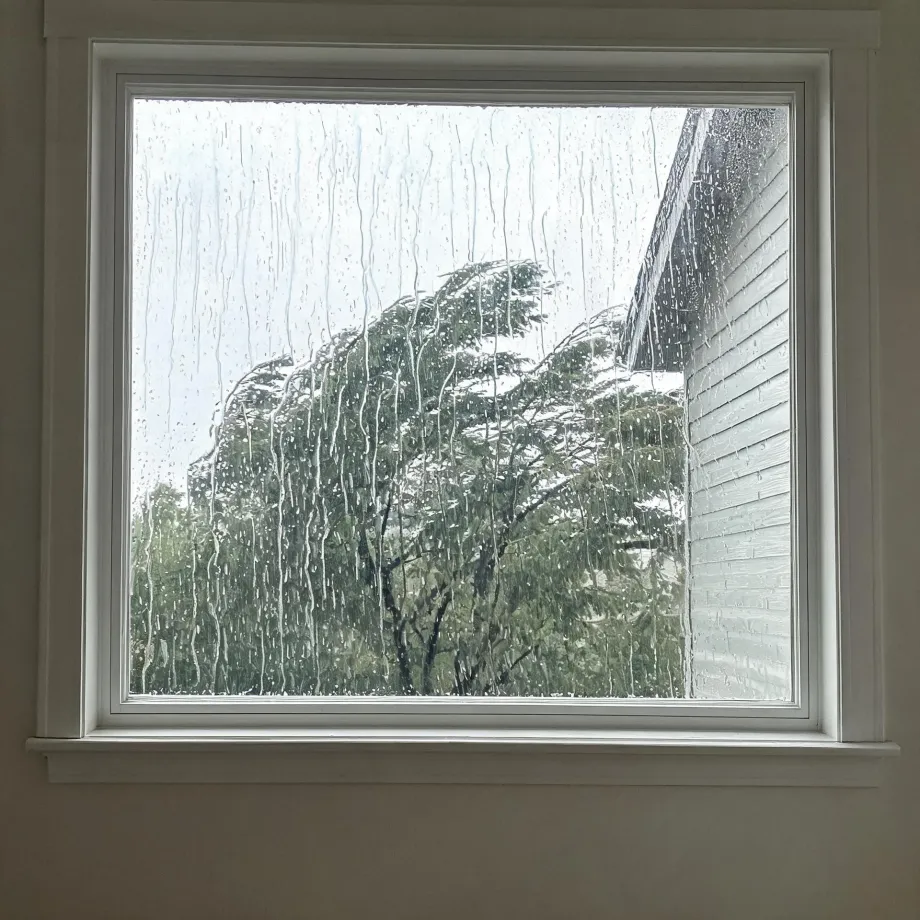
A furnace installation in Emmet County is a local decision, not a catalog one. 107 severe weather events were recorded in Emmet County, Iowa between 2015 and 2024. At that rate, severe weather is part of the normal operating life of a system here, and a contractor who ignores it when selecting equipment and specifying the install will leave a homeowner with a furnace sized for somewhere calmer. Ductwork connections, flue routing, and unit placement all get chosen with that load in mind.
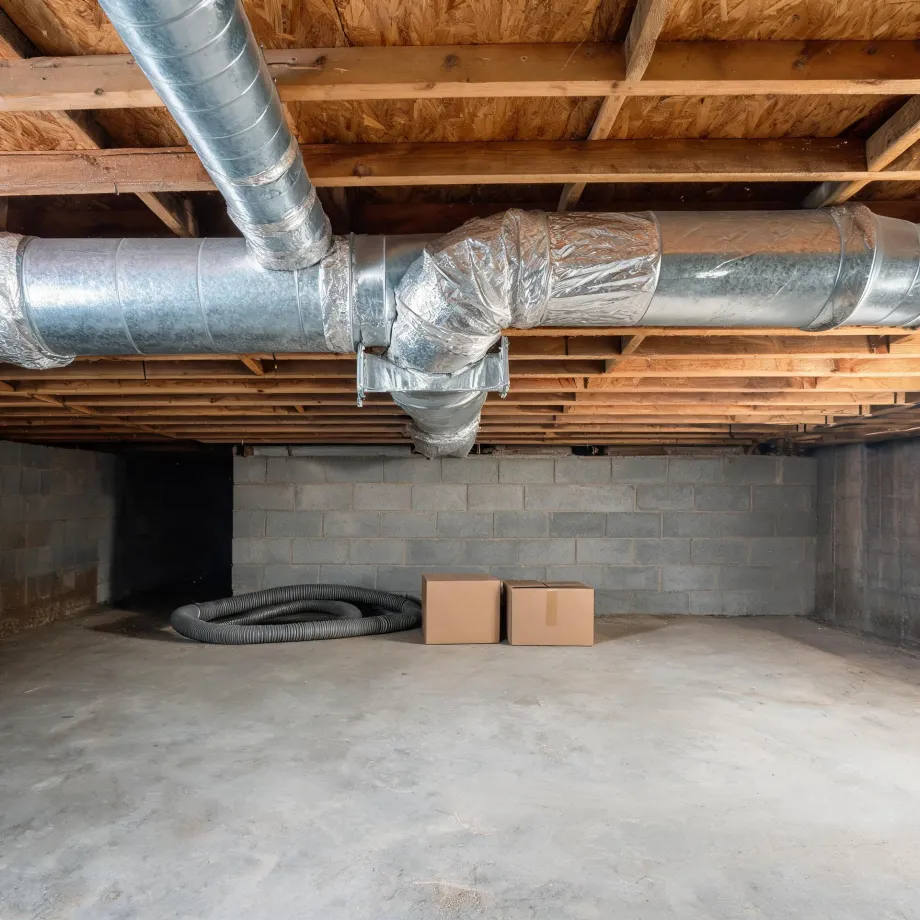
Ductwork laid down when most of this county's homes were new was designed around the heating equipment of that era, not around a modern furnace's airflow requirements. Half the homes in Emmet County, Iowa were built in 1955 or earlier (2020-2024 ACS 5-year). A contractor putting in a new unit has to measure what those ducts can actually move before the equipment choice makes sense, because undersized or poorly routed ductwork limits what any furnace can deliver regardless of its rated output. The electrical service in houses of this age also gets checked, since a modern unit's demand often differs from what the original panel was set up to handle.
What Gets Installed With a New Furnace
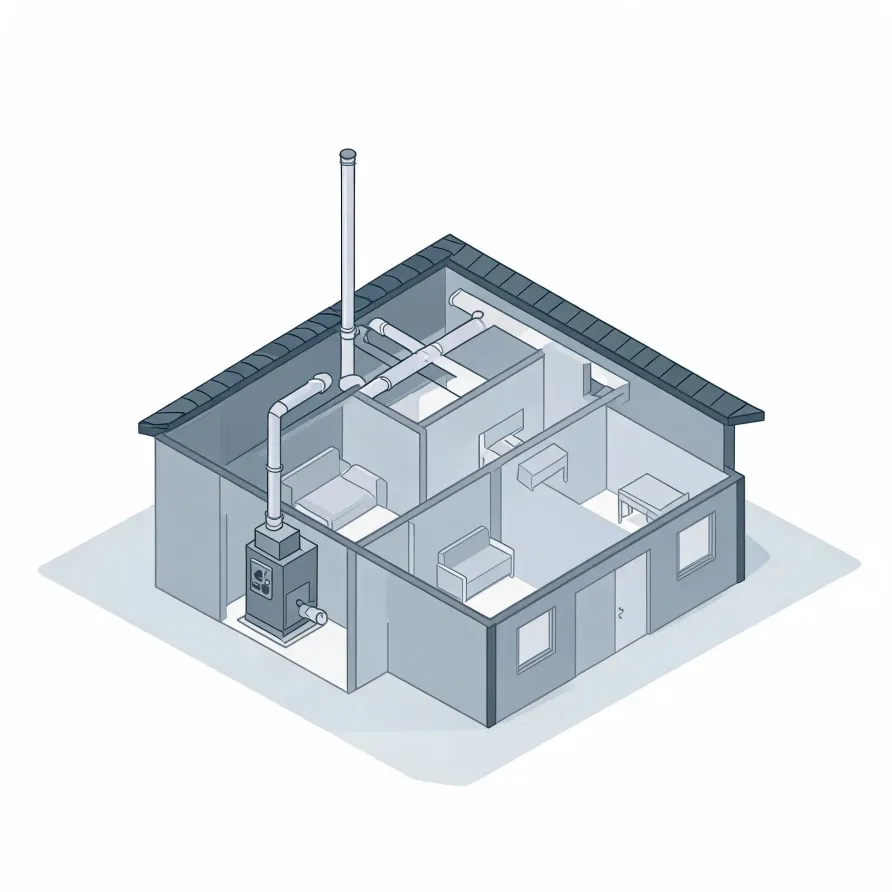
The furnace itself sits in a mechanical room, basement, or utility closet and is the unit a homeowner sees most clearly. A contractor mounts the heat exchanger and burner assembly inside it, along with the blower that pushes conditioned air into the supply side of the house. The flue pipe runs from the furnace up and out through the roof or an exterior wall, carrying combustion gases away.
The air handler components tie into the furnace cabinet on the return side, pulling household air back through a filter before it enters the system again. A thermostat goes on an interior wall and gives the homeowner direct control over when the furnace fires. Where a home also has central air, a contractor fits the evaporator coil directly above the furnace cabinet so both systems share the same blower and filter housing.
The drawing shows a general layout of these components, and a licensed contractor determines what the configuration looks like in your specific house.
Get matched in Emmet CountyEmmet County, Iowa, by the numbers
107 severe weather events were recorded in Emmet County, Iowa between 2015 and 2024.
NOAA National Centers for Environmental Information, Storm Events Database, bulk CSV export, events 2015-01-01 through 2024-12-31.Half the homes in Emmet County, Iowa were built in 1955 or earlier (2020-2024 ACS 5-year).
U.S. Census Bureau, 2020-2024 American Community Survey 5-Year EstimatesEmmet County, Iowa holds 4,520 housing units (2020-2024 ACS 5-year).
U.S. Census Bureau, 2020-2024 American Community Survey 5-Year EstimatesOwners occupy 79.4% of the occupied homes in Emmet County, Iowa (2020-2024 ACS 5-year).
U.S. Census Bureau, 2020-2024 American Community Survey 5-Year EstimatesCodes & Standards Governing Furnace Installation in Emmet County, Iowa5 sourced rules and standards
What the Installation Actually Looks Like
Non-weatherized gas furnaces manufactured on or after November 19, 2015 must reach 80.0 percent AFUE.
Non-weatherized oil-fired furnaces manufactured on or after November 19, 2015 must reach 83.0 percent AFUE.
Mobile home gas furnaces manufactured on or after November 19, 2015 must reach 80.0 percent AFUE.
Non-weatherized gas furnaces manufactured on or after December 18, 2028 must reach 95.0 percent AFUE, up from the 80.0 percent minimum that applies to units manufactured before that date.
Licensing and Legal Requirements in Emmet County, Iowa
Iowa requires a state licence to install or repair HVAC, refrigeration, mechanical or plumbing systems, and to operate as a contractor, with exceptions listed in section 105.11.
Severe Weather Events in Emmet County
Emmet County weather puts real demand on heating equipment, and how hard a furnace works over its life is a local fact, not a general one. Contractors sizing and installing equipment here account for what the climate actually delivers.
107 severe weather events, 2015–2024. Source: NOAA National Centers for Environmental Information, Storm Events Database.