Tell us about the job
Takes about a minute. No obligation.
A contractor quoting furnace repair in Wayne County starts with age and maintenance records before looking at anything else. 50 severe weather events were recorded in Wayne County, Iowa between 2015 and 2024. At that rate, severe weather is a real but occasional presence, and the load it puts on heating equipment across a year is modest. What sends a furnace to failure here is far more often a neglected filter, an undersized original install, or components that have simply run out of time. The weather is a factor a contractor notes; it is rarely where the diagnosis ends.
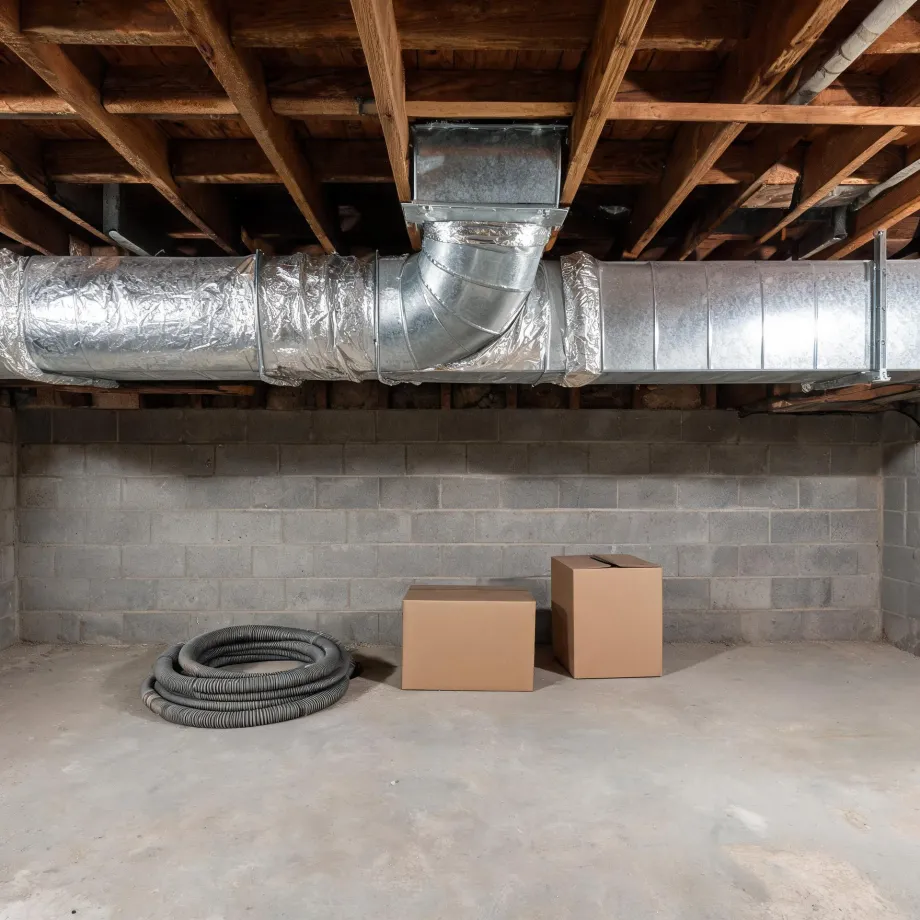
Ductwork in a house this old has its own history, but on a furnace repair job the variable that actually decides the scope is what the opened unit contains and whether anyone still makes the part it needs. Half the homes in Wayne County, Iowa were built in 1969 or earlier (2020-2024 ACS 5-year). A furnace installed in a house built around that period has had enough time to move through multiple equipment generations, and the parts a given unit takes may no longer be in production. When a contractor opens the cabinet and identifies the failed component, the next call is to suppliers, not to a catalog that lists everything. If the part is gone, the repair becomes a different conversation.
The Parts of a Furnace a Contractor Checks First
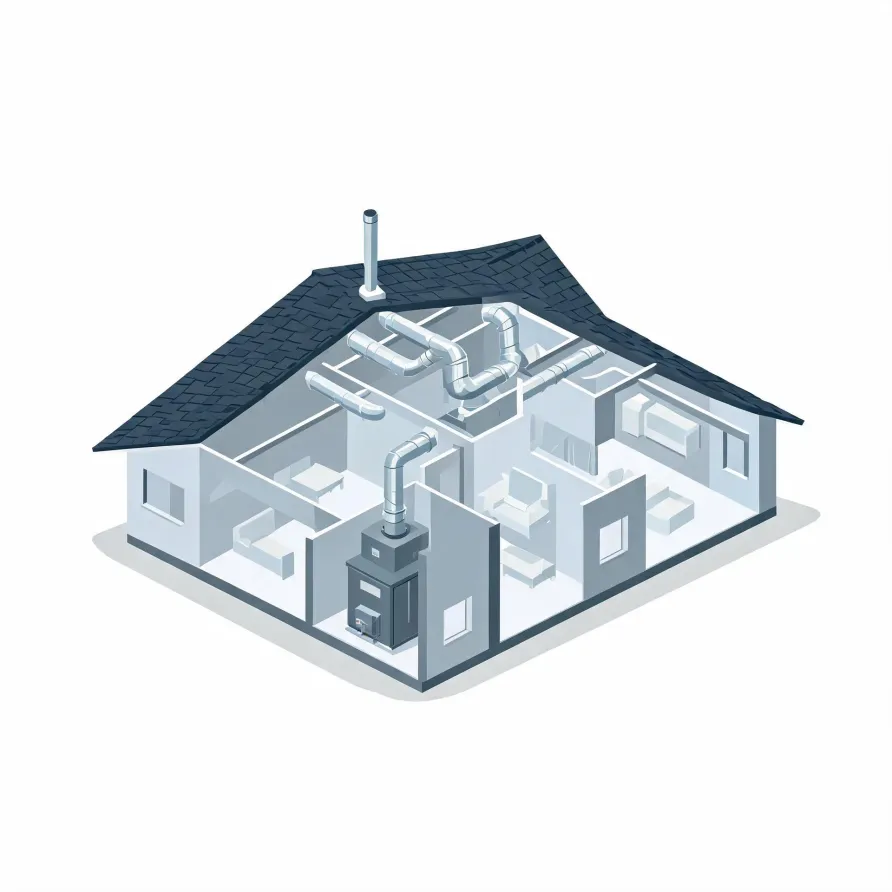
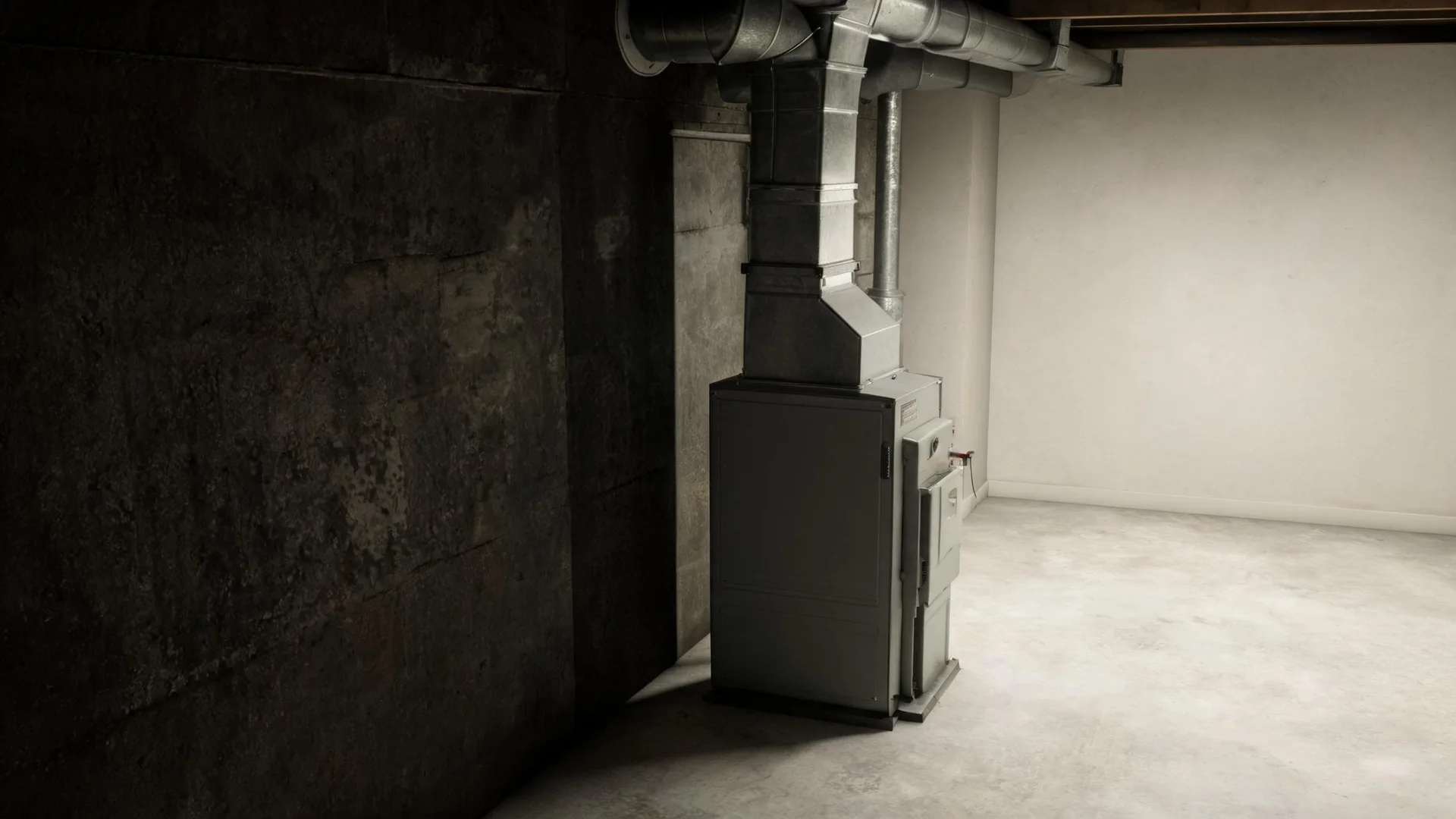
The furnace itself sits in a utility space, basement, or closet and is the piece a contractor goes to first. Inside it, the heat exchanger does the work of warming the air that moves through your home, and a cracked or corroded exchanger is one of the more serious findings a contractor can make. The burners, the igniter, and the flame sensor all live inside that same cabinet and are common sources of a furnace that fails to start or shuts off too soon.
The blower motor sits in the lower section of the furnace cabinet and pushes conditioned air out through the supply side of your duct system. Near it, the limit switch and control board read conditions inside the unit and tell it when to run and when to stop. A contractor also checks the flue pipe, which runs from the furnace through the wall or roof and carries combustion gases out of the house.
The drawing shows a typical furnace layout, and a licensed contractor determines which components apply to your specific system and situation.
Get matched in Wayne CountyWayne County, Iowa, by the numbers
50 severe weather events were recorded in Wayne County, Iowa between 2015 and 2024.
NOAA National Centers for Environmental Information, Storm Events Database, bulk CSV export, events 2015-01-01 through 2024-12-31.Half the homes in Wayne County, Iowa were built in 1969 or earlier (2020-2024 ACS 5-year).
U.S. Census Bureau, 2020-2024 American Community Survey 5-Year EstimatesWayne County, Iowa holds 3,019 housing units (2020-2024 ACS 5-year).
U.S. Census Bureau, 2020-2024 American Community Survey 5-Year EstimatesOwners occupy 80.9% of the occupied homes in Wayne County, Iowa (2020-2024 ACS 5-year).
U.S. Census Bureau, 2020-2024 American Community Survey 5-Year EstimatesFurnace Repair Rules and Codes for Wayne County, Iowa5 sourced rules and standards
What the repair visit looks like
Non-weatherized gas furnaces manufactured on or after November 19, 2015 must reach 80.0 percent AFUE.
Non-weatherized oil-fired furnaces manufactured on or after November 19, 2015 must reach 83.0 percent AFUE.
Mobile home gas furnaces manufactured on or after November 19, 2015 must reach 80.0 percent AFUE.
Non-weatherized gas furnaces manufactured on or after December 18, 2028 must reach 95.0 percent AFUE, up from the 80.0 percent minimum that applies to units manufactured before that date.
Licensing and Legal Requirements in Wayne County, Iowa
Iowa requires a state licence to install or repair HVAC, refrigeration, mechanical or plumbing systems, and to operate as a contractor, with exceptions listed in section 105.11.
Severe Weather Events in Wayne County
Hard weather puts real strain on heating equipment, and what that strain looks like depends on where the equipment runs. Repair demand in Wayne County follows the local weather record, which is why that record belongs on this page.
50 severe weather events, 2015–2024. Source: NOAA National Centers for Environmental Information, Storm Events Database.