Tell us about the job
Takes about a minute. No obligation.
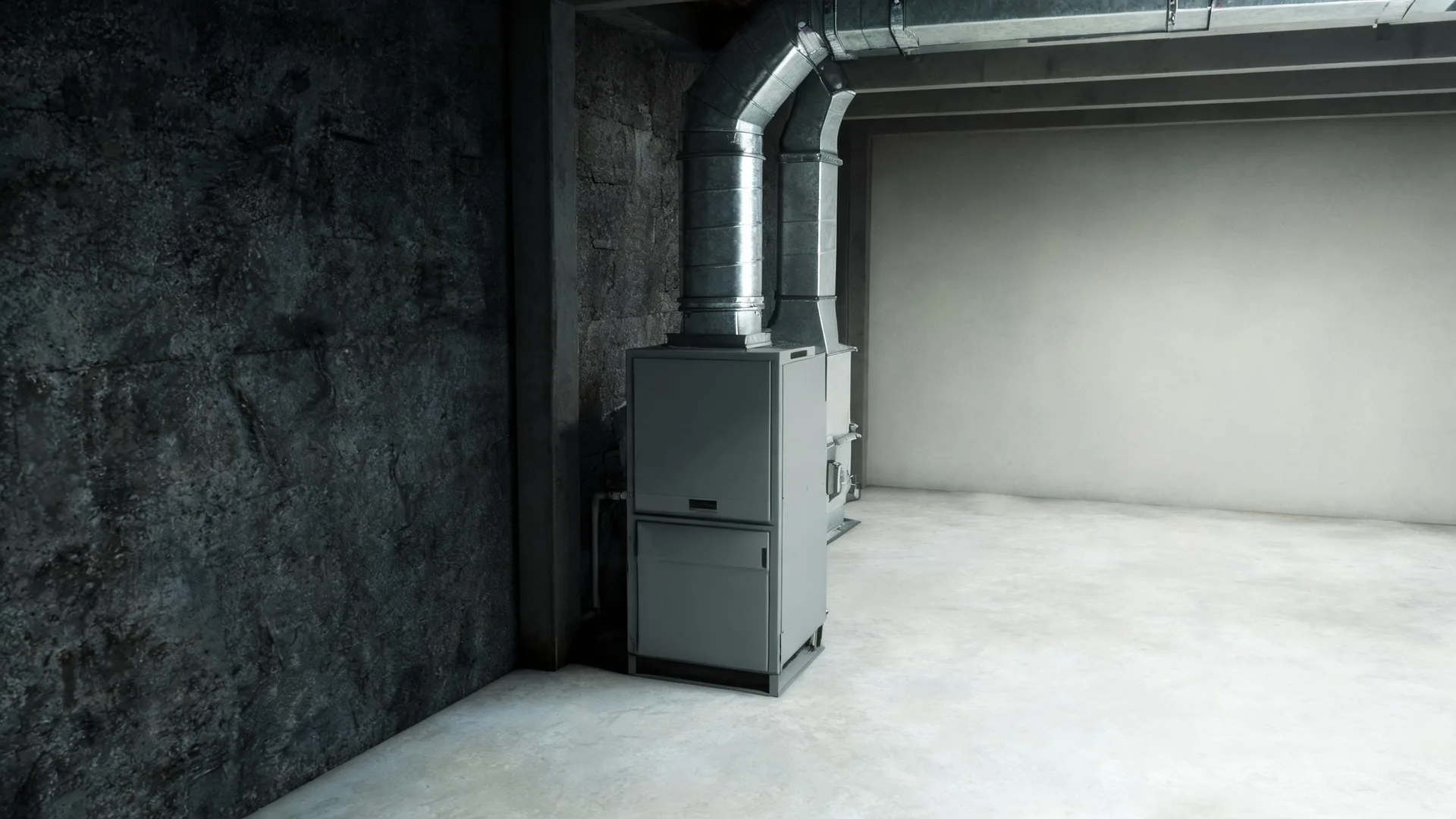
A furnace repair in Monona County starts with the equipment itself: how old it is, how it was installed, and how consistently it has been serviced. 54 severe weather events were recorded in Monona County, Iowa between 2015 and 2024. At that rate, severe weather is an event in this county, not a standing condition, and a contractor diagnosing a failed heat exchanger or a cracked inducer is not going to find storm load at the root of it. Neglected filters, worn ignitors, and aging heat exchangers account for most of what a contractor actually finds here.
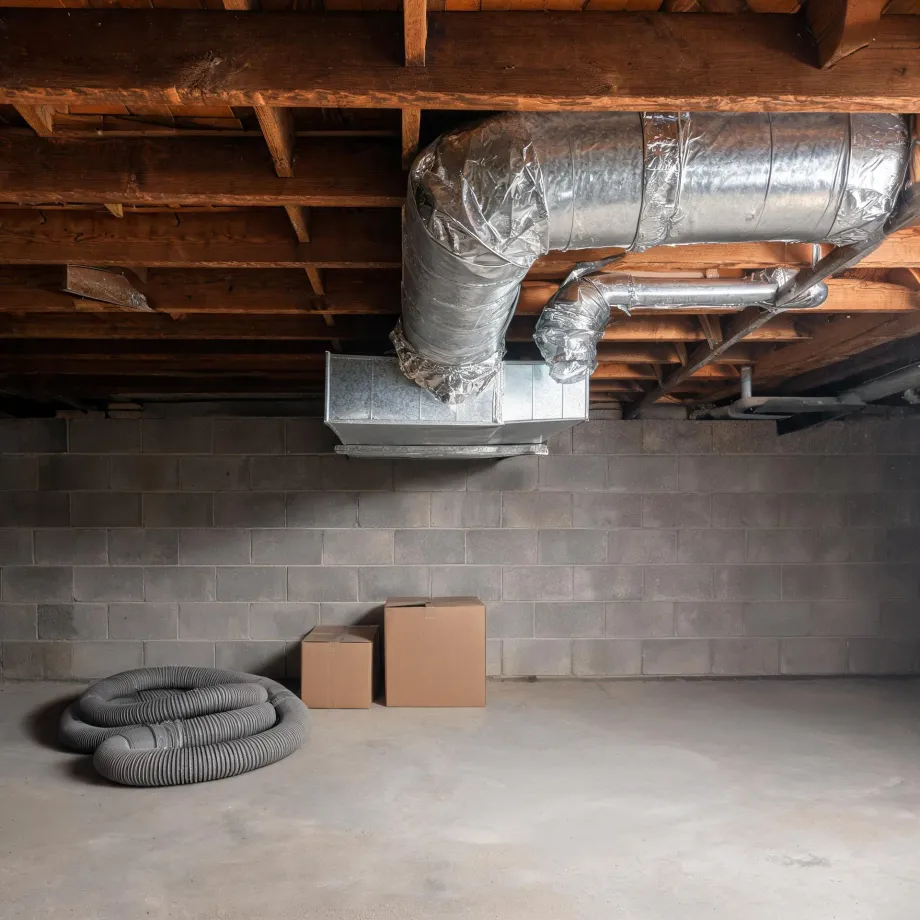
Ductwork and wiring put in when these houses were originally built were sized and routed for equipment that no longer exists. Half the homes in Monona County, Iowa were built in 1956 or earlier (2020-2024 ACS 5-year). When a contractor opens a furnace in housing like this, what they find inside shapes the repair more than the presenting symptom does: a cracked heat exchanger, a flue connection that has shifted over decades, original controls that no replacement board matches directly. Those conditions are common enough in this stock that a repair quote written before the unit is opened is frequently revised once it is.
The Parts of a Furnace a Contractor Checks First
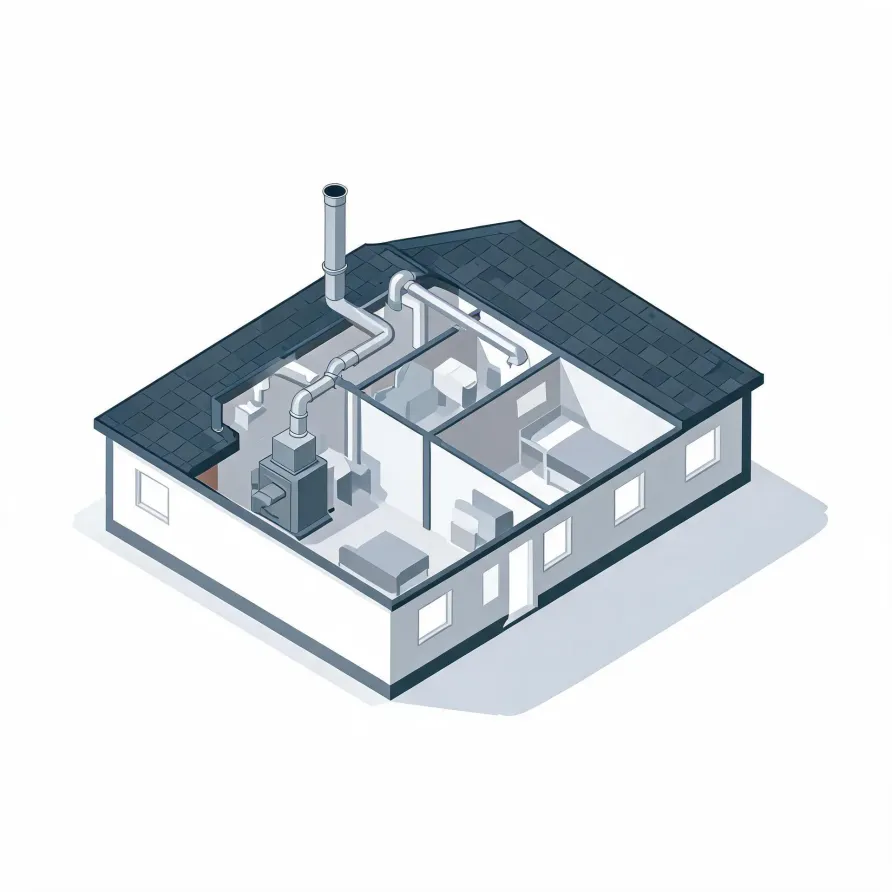
The heat exchanger sits inside the furnace cabinet, usually in a basement, utility room, or closet, and is the piece a contractor looks at closely during a repair call. Cracks or corrosion there affect both heat output and safety. The burner assembly, just below it, is another common starting point when a furnace runs poorly or won't fire at all.
The blower motor sits at the base of the cabinet and pushes conditioned air into the supply ducts. Near it, the control board governs every sequence the furnace runs through, and faults there can mimic problems in other components, so contractors check it alongside the sensors and limit switches that feed it.
The drawing shows a representative layout, and a licensed contractor determines which components apply to the specific furnace and installation in your home.
Get matched in Monona CountyMonona County, Iowa, by the numbers
54 severe weather events were recorded in Monona County, Iowa between 2015 and 2024.
NOAA National Centers for Environmental Information, Storm Events Database, bulk CSV export, events 2015-01-01 through 2024-12-31.Half the homes in Monona County, Iowa were built in 1956 or earlier (2020-2024 ACS 5-year).
U.S. Census Bureau, 2020-2024 American Community Survey 5-Year EstimatesMonona County, Iowa holds 4,372 housing units (2020-2024 ACS 5-year).
U.S. Census Bureau, 2020-2024 American Community Survey 5-Year EstimatesOwners occupy 75.7% of the occupied homes in Monona County, Iowa (2020-2024 ACS 5-year).
U.S. Census Bureau, 2020-2024 American Community Survey 5-Year EstimatesCodes & Standards Covering Furnace Repair in Monona County, Iowa5 sourced rules and standards
What the Repair Visit Looks Like
Non-weatherized gas furnaces manufactured on or after November 19, 2015 must reach 80.0 percent AFUE.
Non-weatherized oil-fired furnaces manufactured on or after November 19, 2015 must reach 83.0 percent AFUE.
Mobile home gas furnaces manufactured on or after November 19, 2015 must reach 80.0 percent AFUE.
Non-weatherized gas furnaces manufactured on or after December 18, 2028 must reach 95.0 percent AFUE, up from the 80.0 percent minimum that applies to units manufactured before that date.
Licensing and Legal Requirements in Monona County, Iowa
Iowa requires a state licence to install or repair HVAC, refrigeration, mechanical or plumbing systems, and to operate as a contractor, with exceptions listed in section 105.11.
Severe Weather Events in Monona County
Extreme weather puts real strain on furnace components, and that strain accumulates over time. How hard local conditions push the equipment shapes how often it needs repair and what breaks first.
54 severe weather events, 2015–2024. Source: NOAA National Centers for Environmental Information, Storm Events Database.