Tell us about the job
Takes about a minute. No obligation.
A contractor called out for furnace repair in Pocahontas County has to sort out what actually broke the equipment before they can give you an honest quote. 108 severe weather events were recorded in Pocahontas County, Iowa between 2015 and 2024. That puts the county in roughly the middle of the national range, which means severe weather is a real but not dominating variable in a furnace's life here. Most failures a contractor opens up and finds, whether a cracked heat exchanger or a worn inducer motor, trace back to how old the unit is and how consistently it was serviced, not to the weather outside.
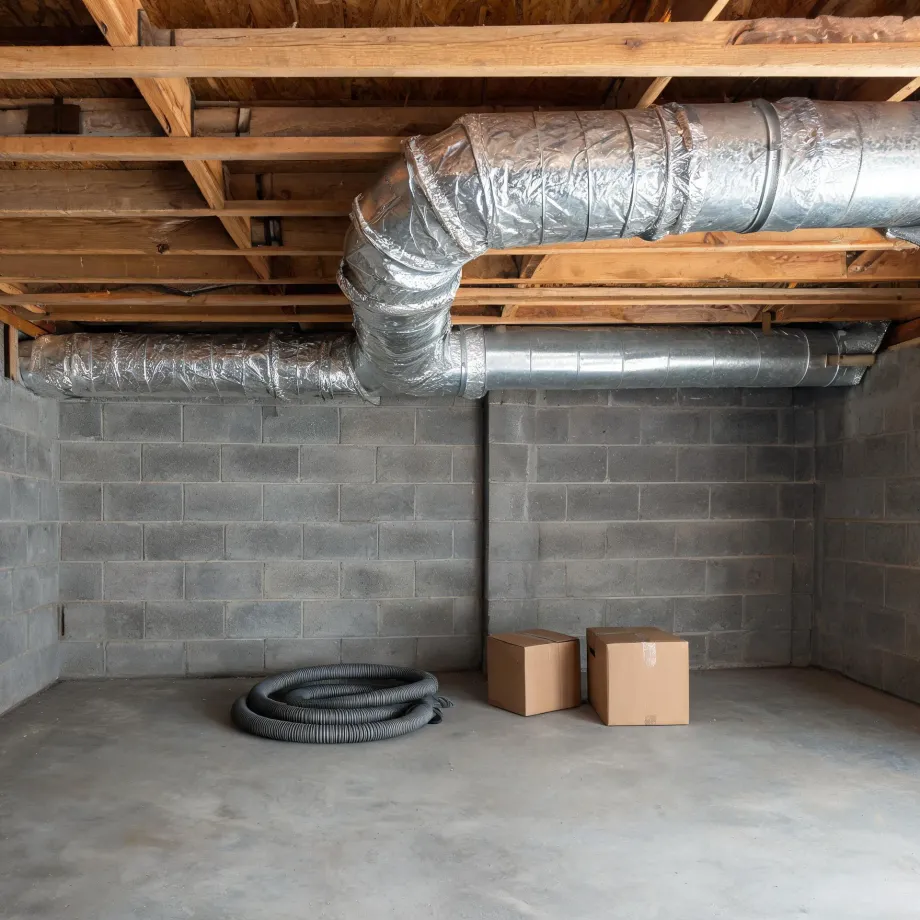
Furnaces in a house this old carry a repair history layered under whatever is visible at the panel or the burner cover. Half the homes in Pocahontas County, Iowa were built in 1950 or earlier (2020-2024 ACS 5-year). That puts a contractor opening a furnace here in a different position than one opening a unit in newer construction: the heat exchanger, the flue connections, and the burner assembly have been working through a long accumulation of seasons, and parts from systems that old are not always still in production. What the opened unit actually contains decides whether the repair is a parts swap or a conversation about what is still serviceable.
The Parts of a Furnace a Contractor Checks First
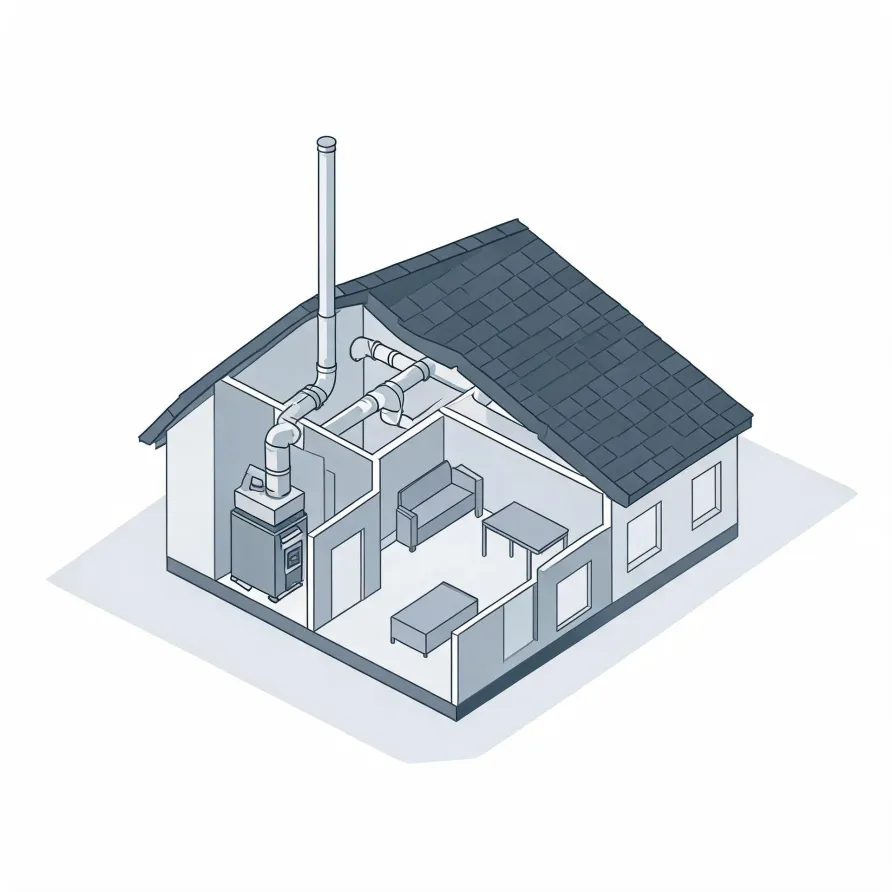
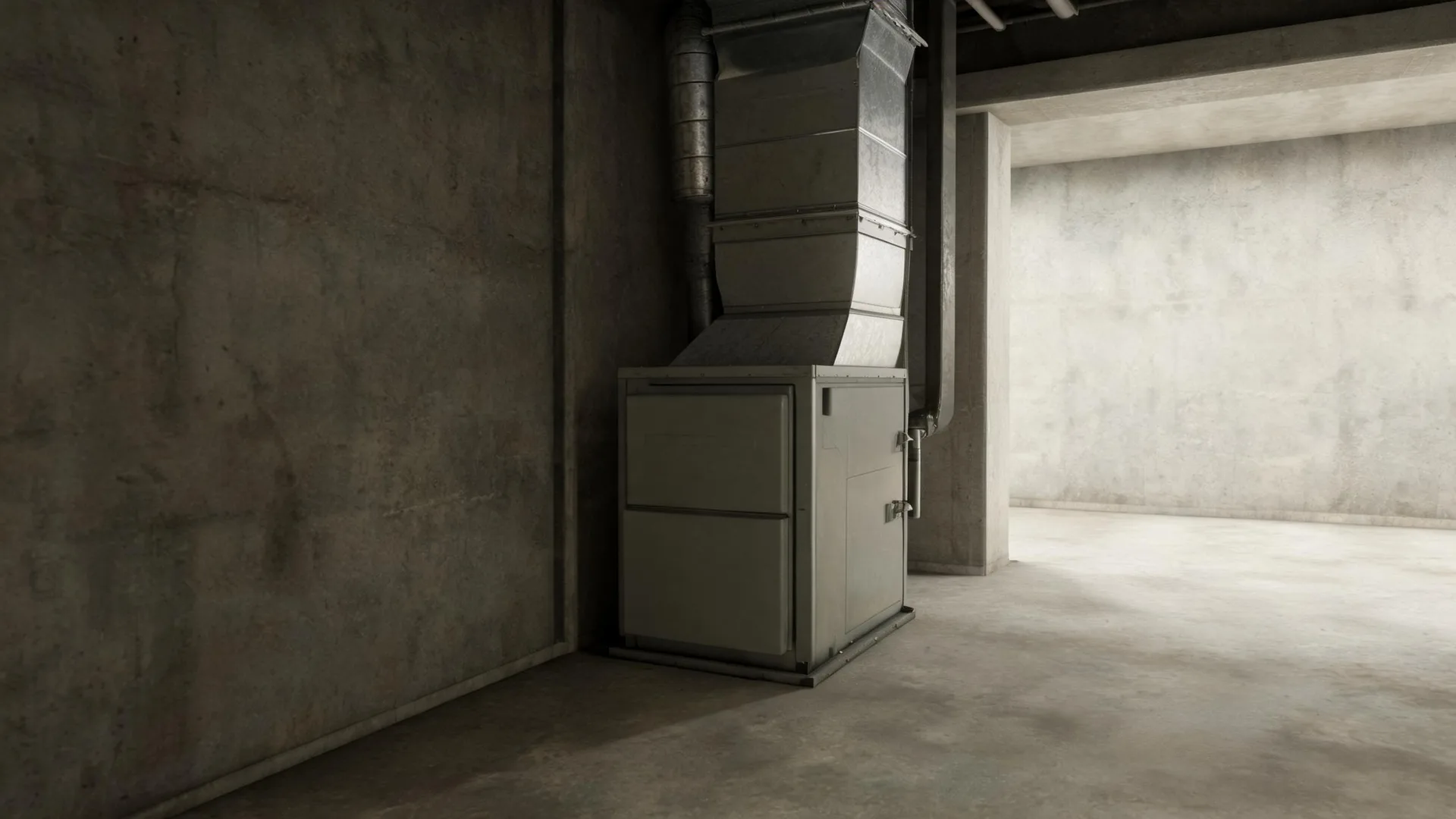
The furnace itself sits in the basement, utility room, or closet and is the core of the system. Inside it, the heat exchanger is what a contractor looks at closely when something is wrong: cracks or corrosion there can explain poor heating or unusual odors. The burners, the ignitor, and the flame sensor are the other pieces inside the cabinet that fail often enough to be early suspects.
The blower motor sits at the base of the furnace cabinet and pushes conditioned air out through the supply side of the house. The flue pipe runs from the top or back of the furnace to the outside and carries combustion gases out. The filter housing, usually at the return-air opening just before the blower, is the first place a contractor checks because a blocked filter stresses everything downstream.
The drawing shows a typical furnace layout, and a licensed contractor determines which components and conditions apply to your specific system.
Get matched in Pocahontas CountyPocahontas County, Iowa, by the numbers
108 severe weather events were recorded in Pocahontas County, Iowa between 2015 and 2024.
NOAA National Centers for Environmental Information, Storm Events Database, bulk CSV export, events 2015-01-01 through 2024-12-31.Half the homes in Pocahontas County, Iowa were built in 1950 or earlier (2020-2024 ACS 5-year).
U.S. Census Bureau, 2020-2024 American Community Survey 5-Year EstimatesPocahontas County, Iowa holds 3,651 housing units (2020-2024 ACS 5-year).
U.S. Census Bureau, 2020-2024 American Community Survey 5-Year EstimatesOwners occupy 77.3% of the occupied homes in Pocahontas County, Iowa (2020-2024 ACS 5-year).
U.S. Census Bureau, 2020-2024 American Community Survey 5-Year EstimatesFurnace Repair Rules for Pocahontas County, Iowa5 codes, standards & laws
What the repair visit looks like
Non-weatherized gas furnaces manufactured on or after November 19, 2015 must reach 80.0 percent AFUE.
Non-weatherized oil-fired furnaces manufactured on or after November 19, 2015 must reach 83.0 percent AFUE.
Mobile home gas furnaces manufactured on or after November 19, 2015 must reach 80.0 percent AFUE.
Non-weatherized gas furnaces manufactured on or after December 18, 2028 must reach 95.0 percent AFUE, up from the 80.0 percent minimum that applies to units manufactured before that date.
Licensing and Legal Requirements in Pocahontas County, Iowa
Iowa requires a state licence to install or repair HVAC, refrigeration, mechanical or plumbing systems, and to operate as a contractor, with exceptions listed in section 105.11.
Severe Weather Events in Pocahontas County
Pocahontas County weather puts real strain on furnace components over time. How hard that strain runs depends on what the local record actually shows, which is why the data below matters for anyone weighing repair decisions here.
108 severe weather events, 2015–2024. Source: NOAA National Centers for Environmental Information, Storm Events Database.