Tell us about the job
Takes about a minute. No obligation.
A furnace repair in Osceola County starts with a question a contractor has to settle before pricing anything: how much of what failed was pushed there by weather load, and how much failed on its own schedule. 107 severe weather events were recorded in Osceola County, Iowa between 2015 and 2024. At that rate, heat exchangers, igniters, and pressure switches have been working against real stress across every heating season. A contractor who skips that accounting quotes the part but misses what drove it out.
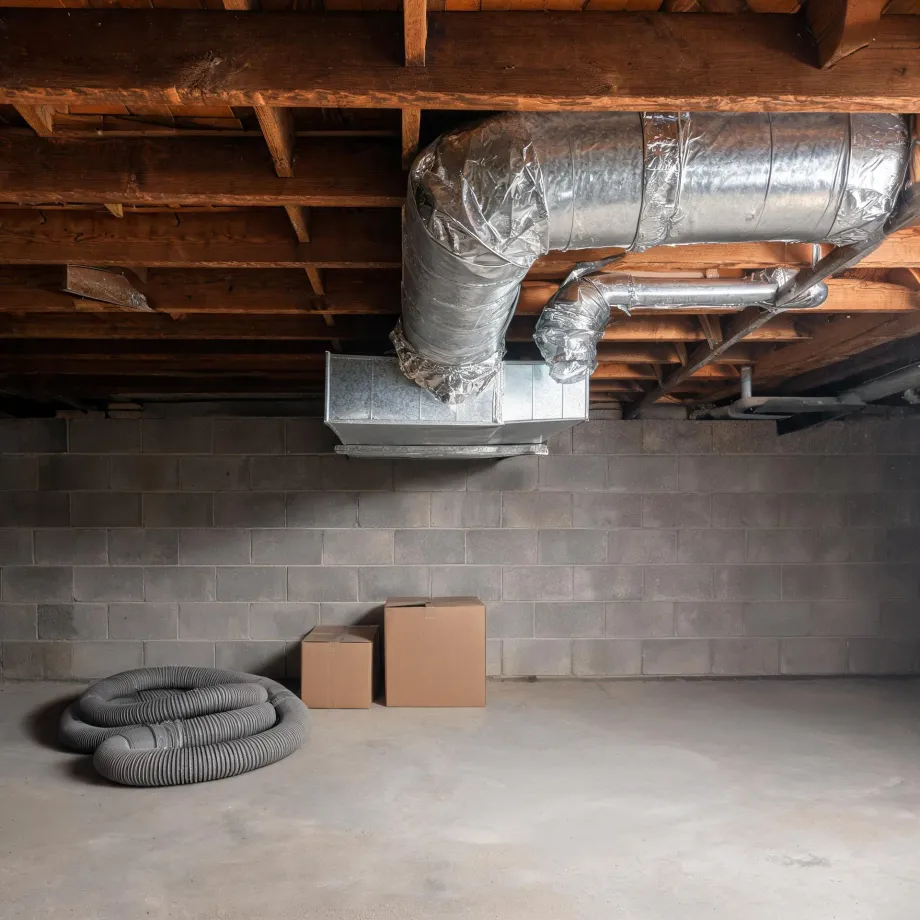
Ductwork in a house built for a different era of heating gets adapted, patched, and re-adapted over the decades, but the furnace itself is what a repair call is actually about. Half the homes in Osceola County, Iowa were built in 1955 or earlier (2020-2024 ACS 5-year). That depth of history in the housing stock means a furnace running in it today is likely a later-generation replacement, possibly more than one, and the parts inside it belong to whatever system a previous owner chose. Once a contractor opens the unit, the question is whether those parts are still in production and what lead times look like if they are not. A repair that looks routine from the outside can stall there.
The Parts of a Furnace a Contractor Checks First
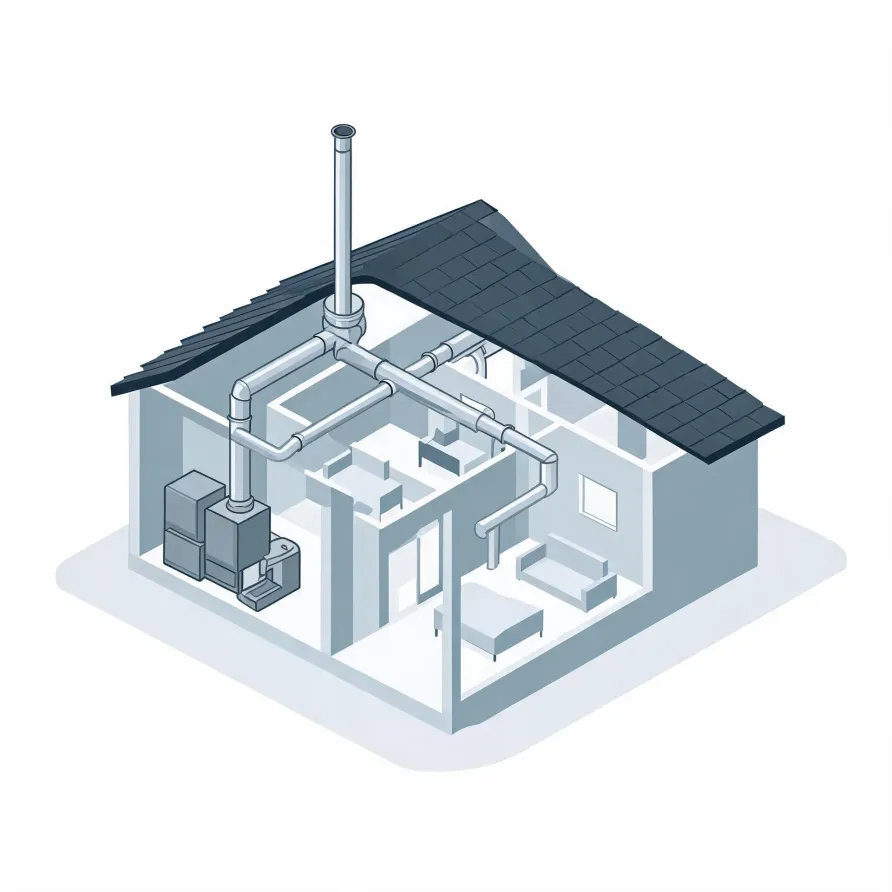
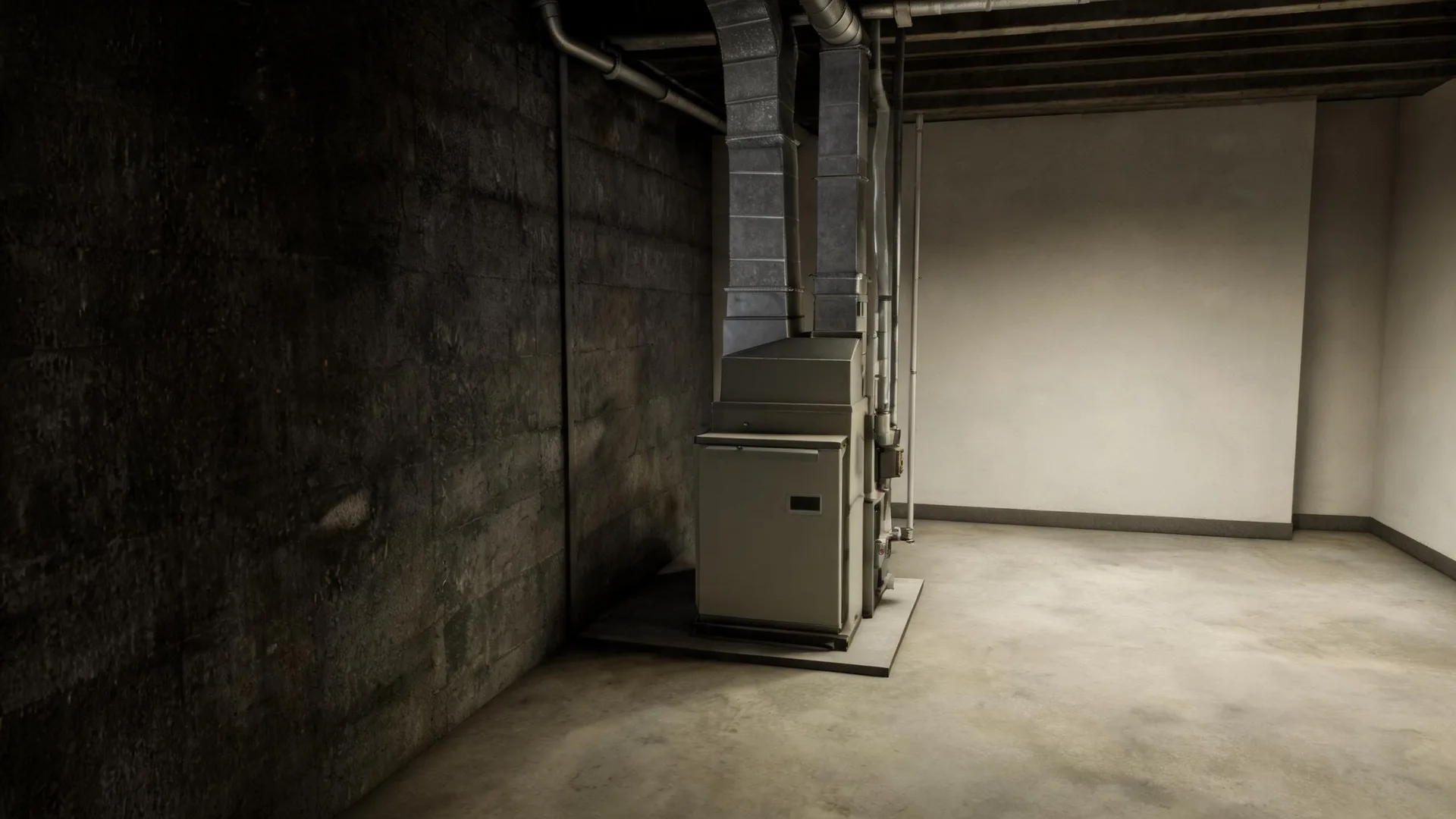
The furnace itself sits in a mechanical room, basement, or utility closet and is the piece a contractor goes to first. Inside it, the heat exchanger is what most repair calls eventually come back to: cracks or corrosion there let combustion gases into the air supply. The burners and the igniter sit just below it, and a failed igniter is one of the more common reasons a furnace stops producing heat altogether.
The blower motor lives inside the furnace cabinet and pushes conditioned air out through the supply side of the house. The flue pipe runs from the top of the furnace to an exterior wall or roof and carries combustion exhaust out of the home. Alongside those, the control board and the thermostat wiring form the system's nerve center, and a fault in either can mimic failures in the mechanical parts.
The drawing shows a general layout of these components, and a licensed contractor determines what applies to your specific system and installation.
Get matched in Osceola CountyOsceola County, Iowa, by the numbers
107 severe weather events were recorded in Osceola County, Iowa between 2015 and 2024.
NOAA National Centers for Environmental Information, Storm Events Database, bulk CSV export, events 2015-01-01 through 2024-12-31.Half the homes in Osceola County, Iowa were built in 1955 or earlier (2020-2024 ACS 5-year).
U.S. Census Bureau, 2020-2024 American Community Survey 5-Year EstimatesOsceola County, Iowa holds 2,868 housing units (2020-2024 ACS 5-year).
U.S. Census Bureau, 2020-2024 American Community Survey 5-Year EstimatesOwners occupy 77.9% of the occupied homes in Osceola County, Iowa (2020-2024 ACS 5-year).
U.S. Census Bureau, 2020-2024 American Community Survey 5-Year EstimatesFurnace Repair Rules & Standards on the Books for Osceola County, Iowa5 codes, rules, and standards
What HVAC Repair Looks Like in Osceola County
Non-weatherized gas furnaces manufactured on or after November 19, 2015 must reach 80.0 percent AFUE.
Non-weatherized oil-fired furnaces manufactured on or after November 19, 2015 must reach 83.0 percent AFUE.
Mobile home gas furnaces manufactured on or after November 19, 2015 must reach 80.0 percent AFUE.
Non-weatherized gas furnaces manufactured on or after December 18, 2028 must reach 95.0 percent AFUE, up from the 80.0 percent minimum that applies to units manufactured before that date.
Licensing and Legal Requirements in Osceola County, Iowa
Iowa requires a state licence to install or repair HVAC, refrigeration, mechanical or plumbing systems, and to operate as a contractor, with exceptions listed in section 105.11.
Severe Weather Events in Osceola County
Hard weather puts hours on a furnace fast, and those hours accumulate differently depending on where the equipment runs. Repair frequency in Osceola County reflects what the local climate asks of the system.
107 severe weather events, 2015–2024. Source: NOAA National Centers for Environmental Information, Storm Events Database.