Tell us about the job
Takes about a minute. No obligation.
A contractor quoting furnace repair in Clay County starts with the unit's service history before anything else. 141 severe weather events were recorded in Clay County, Iowa between 2015 and 2024. That puts this area in the middle range of weather load, enough that a system has had to work, but not so relentless that storm wear is the presumed culprit. A heat exchanger cracked from age or a blower motor starved by a clogged filter is the more likely story, and a contractor will check those first before attributing the failure to weather.
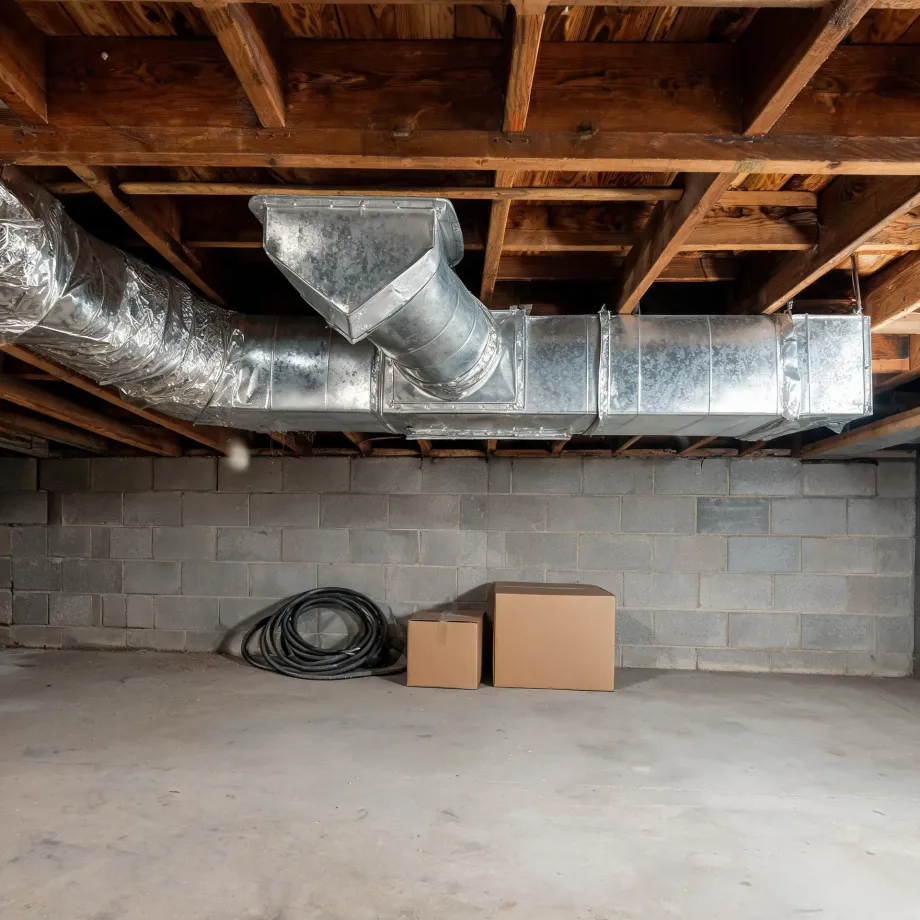
Ductwork in a house this old was put in for a furnace that has long since been replaced, and the system running now is likely not the first or second unit to occupy that space. Half the homes in Clay County, Iowa were built in 1967 or earlier (2020-2024 ACS 5-year). When a furnace from a much later generation fails, the repair question a contractor has to answer is whether the specific components it takes are still in production. Heat exchangers, gas valves, and control boards for older units go out of manufacture quietly, and a contractor opening the system may find that a straightforward repair becomes a sourcing problem rather than a labor problem. That is the variable the age of this housing stock puts on the table.
The Parts of a Furnace a Contractor Checks First
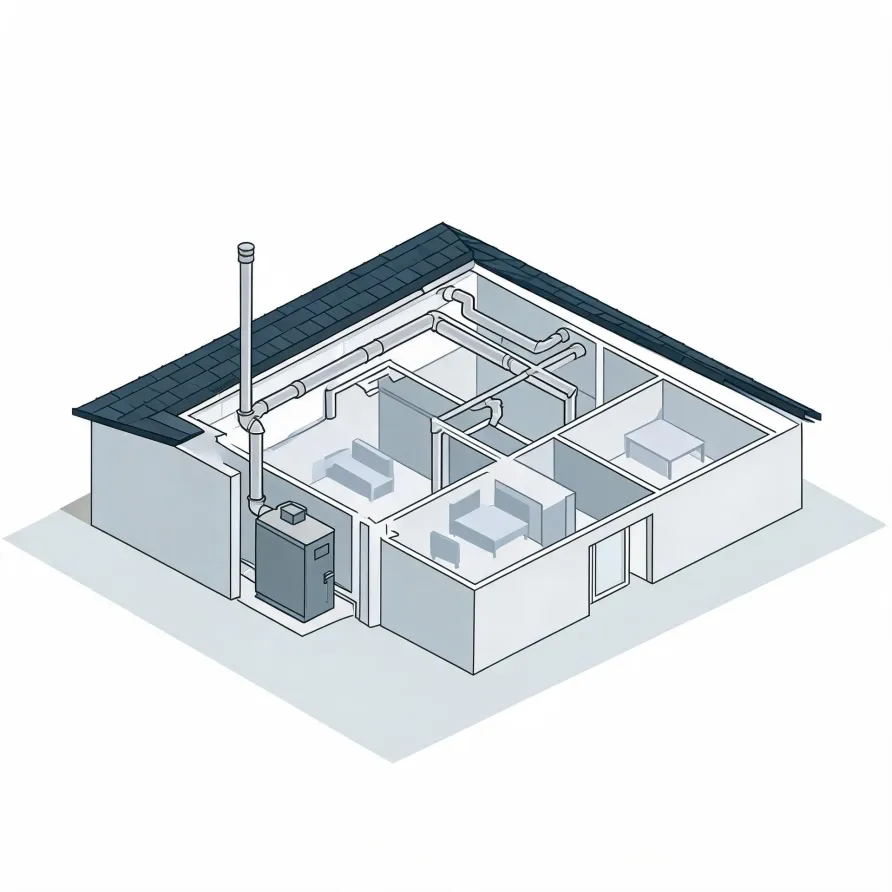
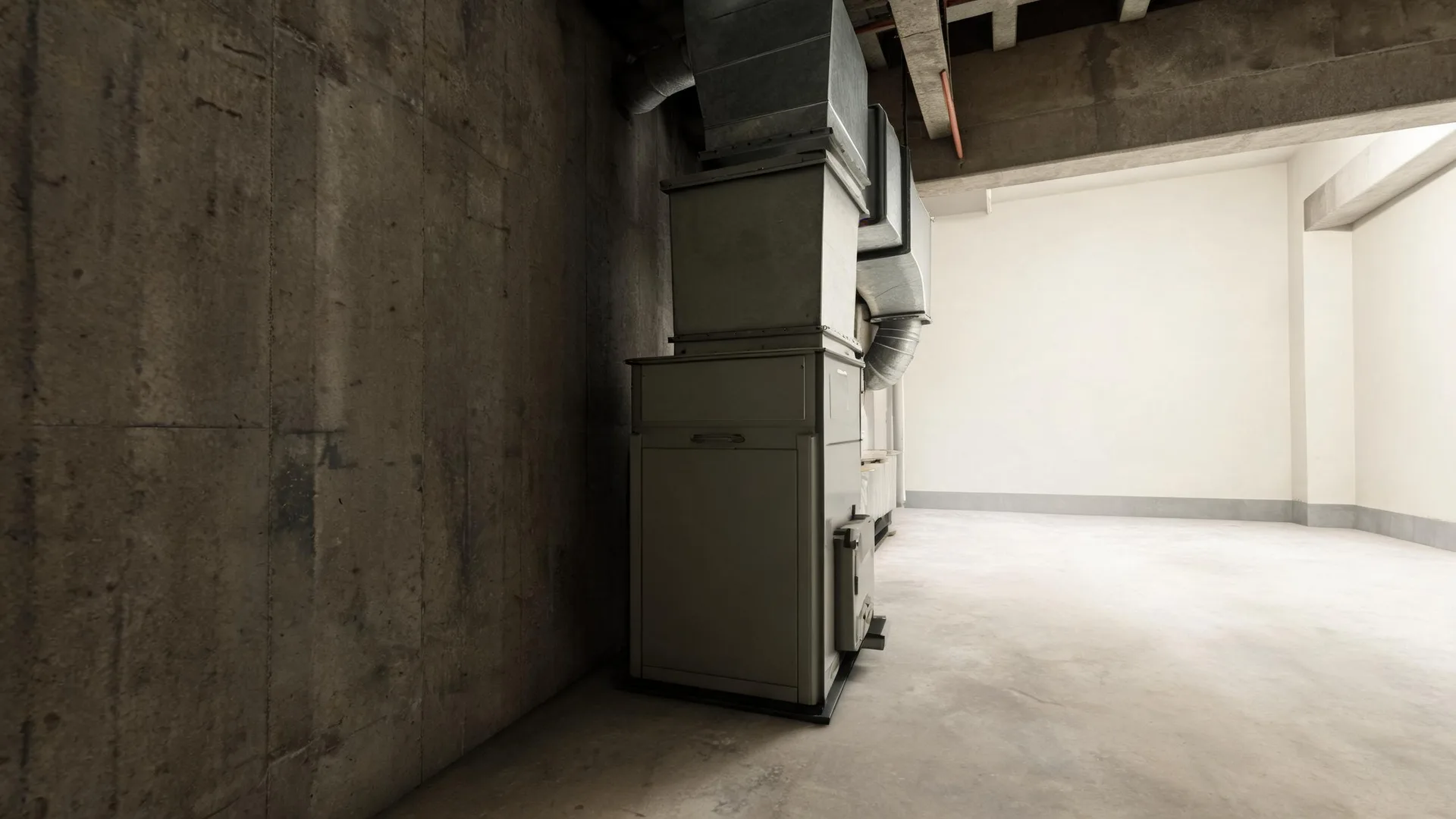
The furnace itself sits in a utility space, basement, or closet and is the piece a contractor goes to first. Inside it, the heat exchanger, burners, and blower motor each have a distinct job, and a fault in any one of them shows up differently. A cracked heat exchanger, a burner that won't light, and a blower that runs but moves little air are three separate problems that point a contractor in three separate directions.
The flue pipe runs from the furnace to an exterior vent and carries combustion gases out of the house. The thermostat and the limit switch sit apart from the main cabinet but talk to it constantly, and either one can be the reason a furnace behaves erratically or shuts down before the house reaches the set temperature.
The drawing shows a typical furnace layout, and a licensed contractor determines which components apply to your specific system and what condition they are in.
Get matched in Clay CountyClay County by the numbers
141 severe weather events were recorded in Clay County, Iowa between 2015 and 2024.
NOAA National Centers for Environmental Information, Storm Events Database, bulk CSV export, events 2015-01-01 through 2024-12-31.Half the homes in Clay County, Iowa were built in 1967 or earlier (2020-2024 ACS 5-year).
U.S. Census Bureau, 2020-2024 American Community Survey 5-Year EstimatesClay County, Iowa holds 8,157 housing units (2020-2024 ACS 5-year).
U.S. Census Bureau, 2020-2024 American Community Survey 5-Year EstimatesOwners occupy 73.3% of the occupied homes in Clay County, Iowa (2020-2024 ACS 5-year).
U.S. Census Bureau, 2020-2024 American Community Survey 5-Year EstimatesFurnace Repair Rules for Clay County, Iowa5 codes, standards & laws
What HVAC Repair Looks Like in Clay County
Non-weatherized gas furnaces manufactured on or after November 19, 2015 must reach 80.0 percent AFUE.
Non-weatherized oil-fired furnaces manufactured on or after November 19, 2015 must reach 83.0 percent AFUE.
Mobile home gas furnaces manufactured on or after November 19, 2015 must reach 80.0 percent AFUE.
Non-weatherized gas furnaces manufactured on or after December 18, 2028 must reach 95.0 percent AFUE, up from the 80.0 percent minimum that applies to units manufactured before that date.
Licensing and Legal Requirements in Clay County, Iowa
Iowa requires a state licence to install or repair HVAC, refrigeration, mechanical or plumbing systems, and to operate as a contractor, with exceptions listed in section 105.11.
Severe Weather Events in Clay County
Clay County weather puts real stress on heating equipment. How hard a furnace has to work, and how often it fails, is shaped by what the local climate demands of it.
141 severe weather events, 2015–2024. Source: NOAA National Centers for Environmental Information, Storm Events Database.