Tell us about the job
Takes about a minute. No obligation.
A contractor quoting a furnace repair here starts with the unit itself: how old it is, how it was installed, and what service it has had. 111 severe weather events were recorded in Van Buren County, Iowa between 2015 and 2024. That puts this area in the middle of the national range, which means severe weather is a real but ordinary part of operating a furnace here rather than the dominant force wearing systems down. Heat exchangers crack from age. Ignitors fail from cycling. Those failures show up in counties with far quieter records, and they show up here, and the weather is rarely what explains the bill.
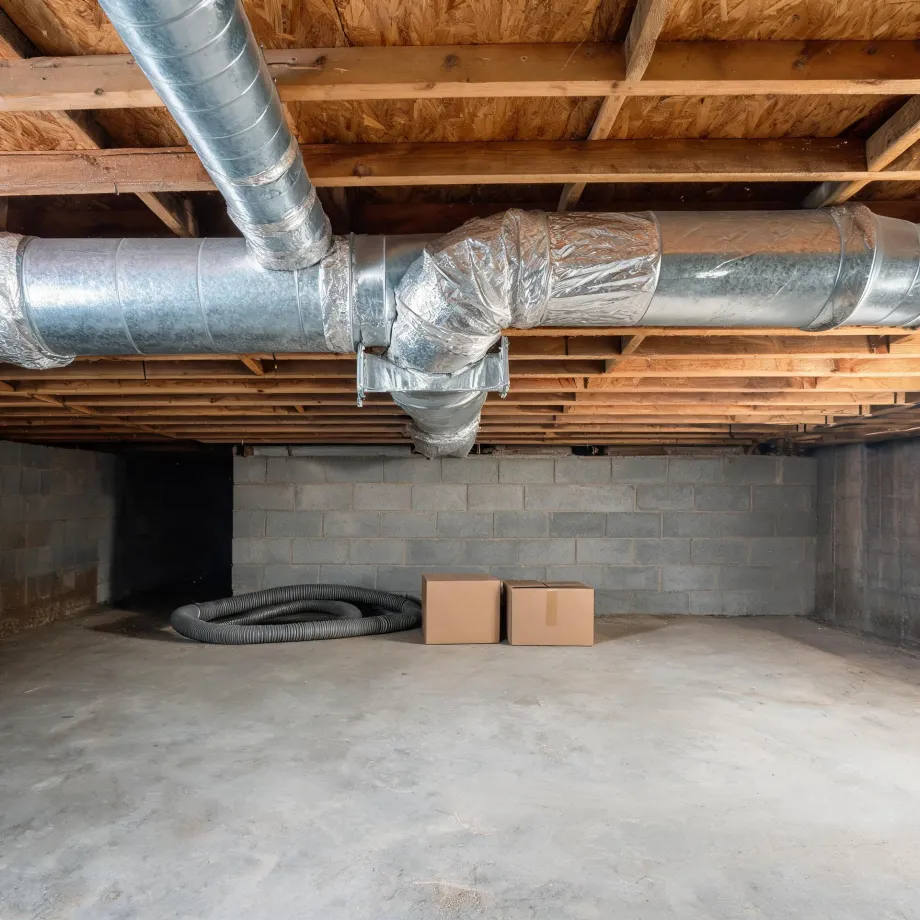
Ductwork and wiring in a house this old were put in for something other than what runs in it today, but for repair work the walls stay closed. What opens is the furnace. Half the homes in Van Buren County, Iowa were built in 1970 or earlier (2020-2024 ACS 5-year). That history means a contractor pulling a heat exchanger or a control board is frequently working on a unit whose parts have moved to special-order or been discontinued entirely. Whether the needed component is still made, and what a sourced replacement actually costs, is what shapes the repair bill here more than the labor does.
The Parts of a Furnace a Contractor Checks First
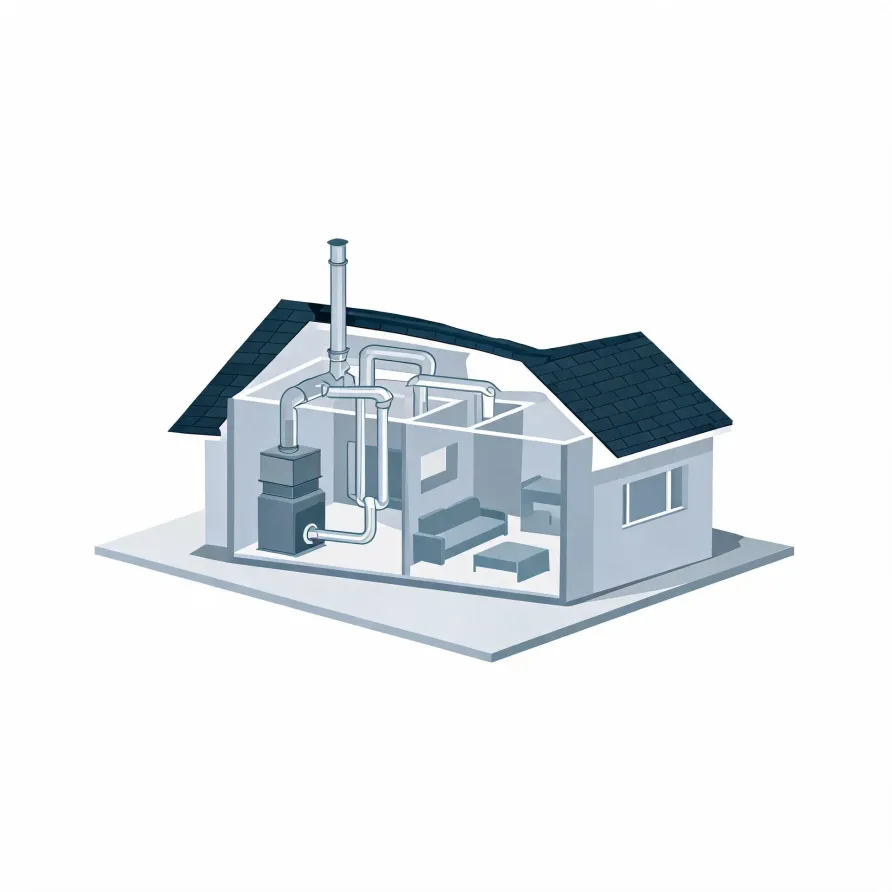
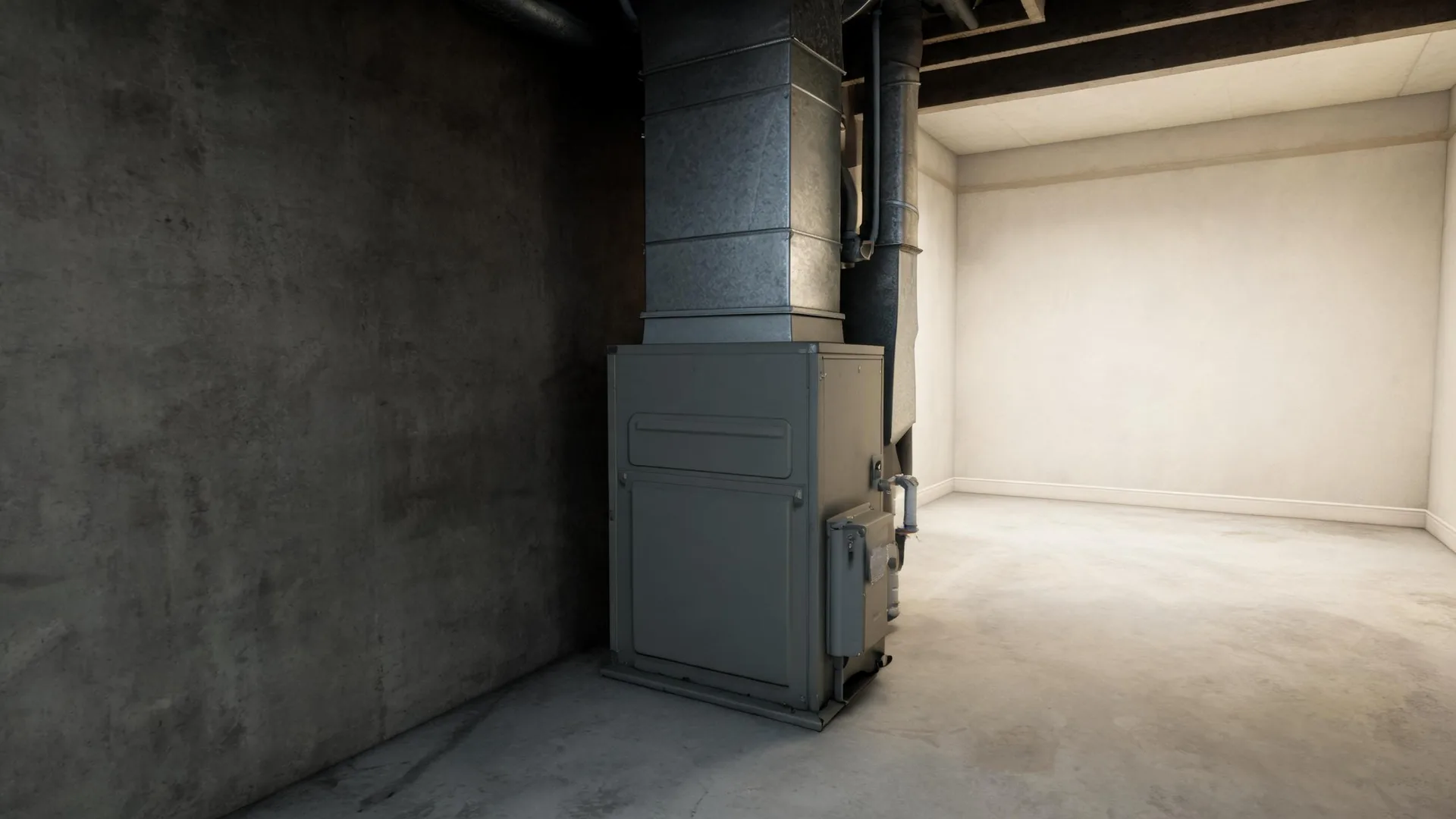
The furnace cabinet sits in a utility space, basement, or closet and is where the heat gets made. Inside it, the heat exchanger is the first thing a contractor looks at when something is wrong, because cracks or failures there affect both performance and safety. The burners, which sit just below it, are checked next when the furnace is failing to heat or failing to start.
The blower motor pushes conditioned air out through the supply side of your duct system and pulls return air back in. Near the cabinet, the flue pipe carries combustion gases out of the house, and the condensate drain handles moisture on high-efficiency units. A failed blower, a blocked flue, or a clogged drain can each stop the system in a different way, so a contractor works through all of them.
The drawing shows the general layout of a furnace system, and a licensed contractor determines which components apply and what condition they are in at your house.
Get matched in Van Buren CountyVan Buren County, Iowa, by the numbers
111 severe weather events were recorded in Van Buren County, Iowa between 2015 and 2024.
NOAA National Centers for Environmental Information, Storm Events Database, bulk CSV export, events 2015-01-01 through 2024-12-31.Half the homes in Van Buren County, Iowa were built in 1970 or earlier (2020-2024 ACS 5-year).
U.S. Census Bureau, 2020-2024 American Community Survey 5-Year EstimatesVan Buren County, Iowa holds 3,490 housing units (2020-2024 ACS 5-year).
U.S. Census Bureau, 2020-2024 American Community Survey 5-Year EstimatesOwners occupy 81.6% of the occupied homes in Van Buren County, Iowa (2020-2024 ACS 5-year).
U.S. Census Bureau, 2020-2024 American Community Survey 5-Year EstimatesCodes & Standards Behind Furnace Repair in Van Buren County, Iowa5 rules & standards
What HVAC Repair Looks Like in Van Buren County
Non-weatherized gas furnaces manufactured on or after November 19, 2015 must reach 80.0 percent AFUE.
Non-weatherized oil-fired furnaces manufactured on or after November 19, 2015 must reach 83.0 percent AFUE.
Mobile home gas furnaces manufactured on or after November 19, 2015 must reach 80.0 percent AFUE.
Non-weatherized gas furnaces manufactured on or after December 18, 2028 must reach 95.0 percent AFUE, up from the 80.0 percent minimum that applies to units manufactured before that date.
Licensing and Legal Requirements in Van Buren County, Iowa
Iowa requires a state licence to install or repair HVAC, refrigeration, mechanical or plumbing systems, and to operate as a contractor, with exceptions listed in section 105.11.
Severe Weather Events in Van Buren County
Weather in Van Buren County puts a measurable load on heating equipment, from hard cold snaps that force furnaces to run long cycles to volatile swings that stress components over time. How often that kind of weather arrives here shapes how much repair work local furnaces face.
111 severe weather events, 2015–2024. Source: NOAA National Centers for Environmental Information, Storm Events Database.