Tell us about the job
Takes about a minute. No obligation.
A contractor called out for furnace repair in Wapello County has to sort through more than one explanation before settling on a cause. 116 severe weather events were recorded in Wapello County, Iowa between 2015 and 2024. That puts severe weather in the category of a recurring factor, not a dominant one, and a contractor will weigh it against the age of the heat exchanger, the condition of the blower motor, and how consistently the system has been serviced. Those three things account for most of what contractors actually find when a furnace stops working here.
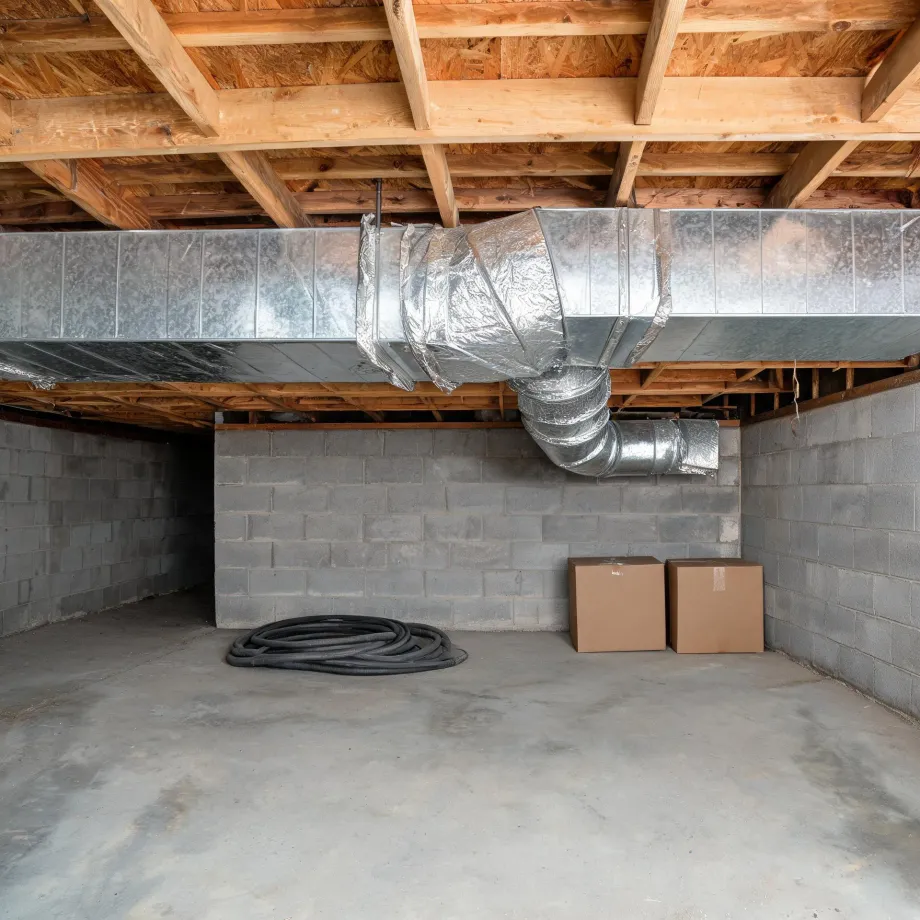
Furnace work in older housing stock runs on a specific problem: what the opened system actually requires. Half the homes in Wapello County, Iowa were built in 1958 or earlier (2020-2024 ACS 5-year). A house that age has seen more than one heating system come and go, which means the furnace a contractor opens today may be old enough that its heat exchanger, igniter, or control board sits outside what distributors stock. That gap between what the system takes and what a parts supplier can ship is what sets the repair scope, and a contractor quoting the job has to confirm availability before the price means anything.
The Parts of a Furnace a Contractor Checks First
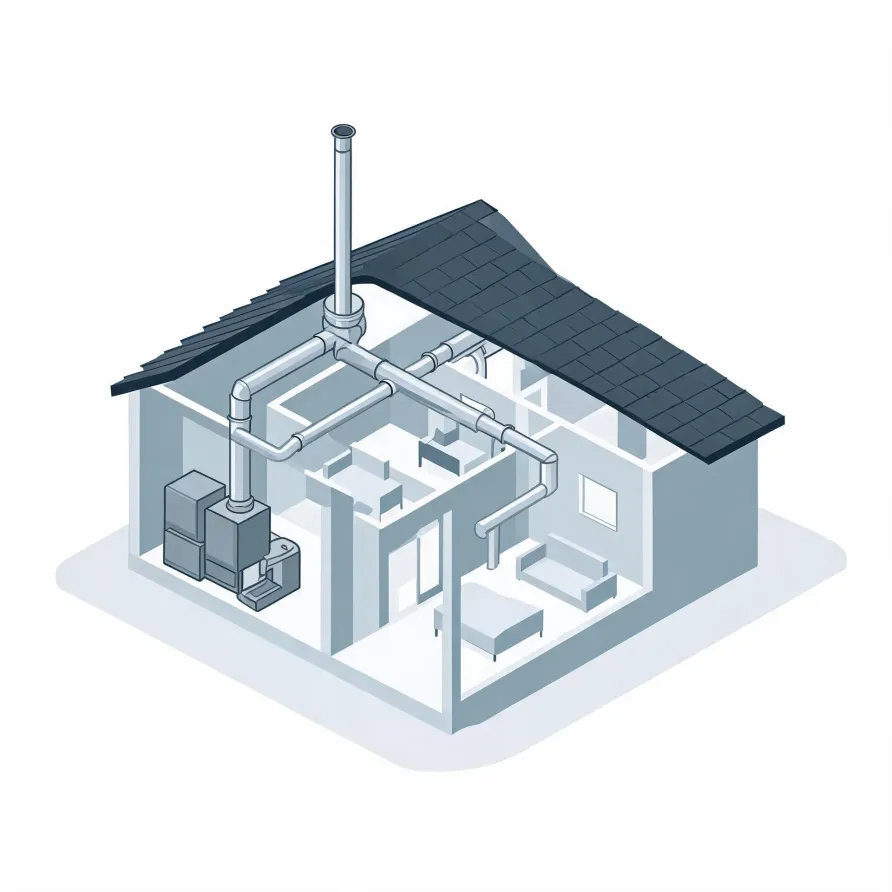
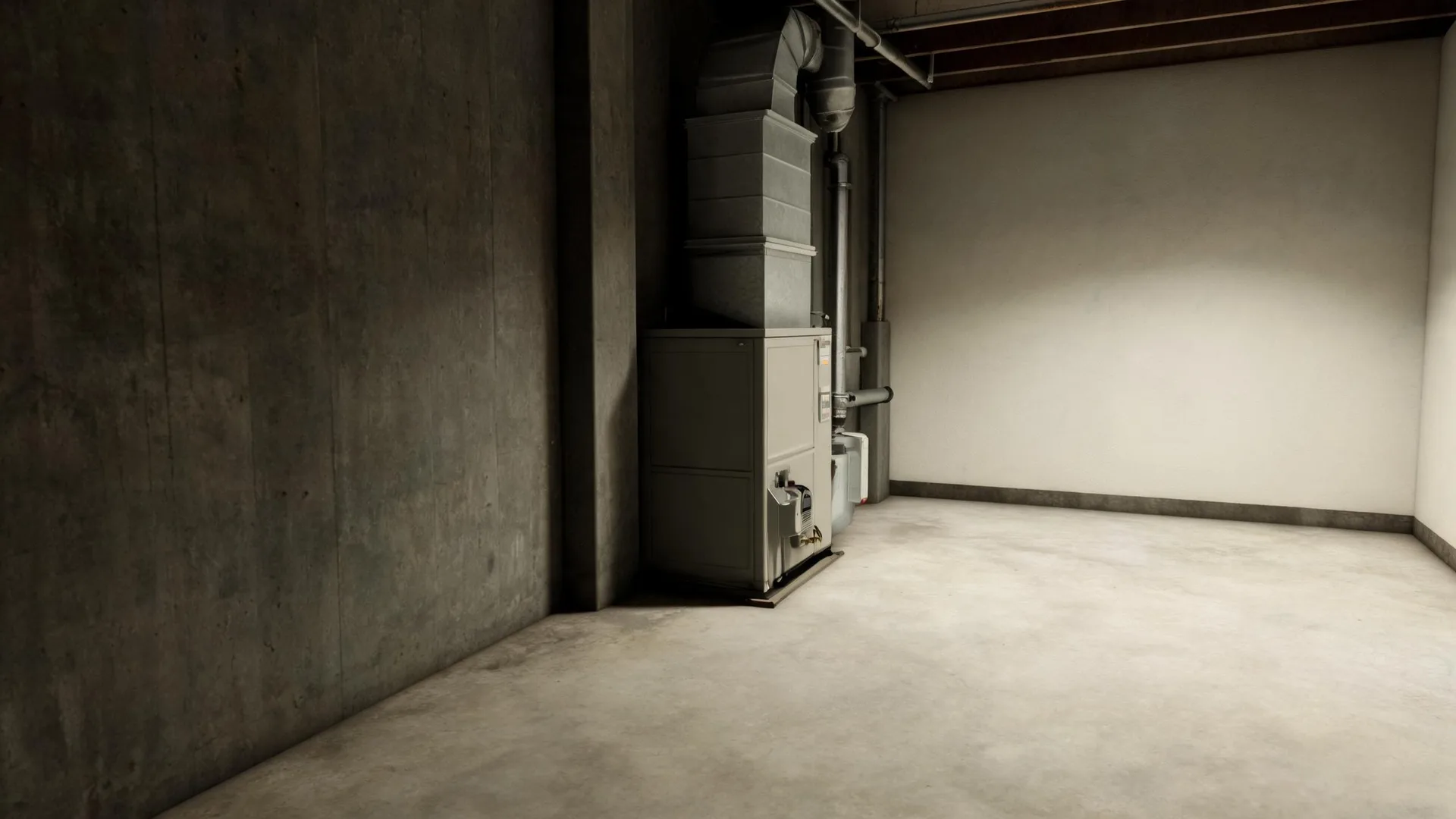
The furnace itself sits in a utility space, basement, or closet and is the heart of the system. Inside it, the heat exchanger does the actual work of warming the air, and a cracked or failing exchanger is one of the first things a contractor looks at when heat is poor or carbon monoxide is suspected. The burners, igniter, and flame sensor all sit within that same cabinet and are frequent sources of no-heat calls.
The blower motor and its fan wheel sit at the base of the furnace cabinet and push conditioned air into the supply ducts. The flue pipe runs from the top of the furnace to an exterior exhaust point and carries combustion gases out of the house. A blocked or corroded flue, a failed capacitor on the blower, or a worn belt can each stop the system as effectively as a broken burner.
The drawing shows a typical furnace layout, and a licensed contractor will determine which components and conditions apply to your specific system.
Get matched in Wapello CountyWapello County, by the record
116 severe weather events were recorded in Wapello County, Iowa between 2015 and 2024.
NOAA National Centers for Environmental Information, Storm Events Database, bulk CSV export, events 2015-01-01 through 2024-12-31.Half the homes in Wapello County, Iowa were built in 1958 or earlier (2020-2024 ACS 5-year).
U.S. Census Bureau, 2020-2024 American Community Survey 5-Year EstimatesWapello County, Iowa holds 15,730 housing units (2020-2024 ACS 5-year).
U.S. Census Bureau, 2020-2024 American Community Survey 5-Year EstimatesOwners occupy 68.4% of the occupied homes in Wapello County, Iowa (2020-2024 ACS 5-year).
U.S. Census Bureau, 2020-2024 American Community Survey 5-Year EstimatesCodes & Standards Covering Furnace Repair in Wapello County, Iowa5 sourced rules and standards
What the repair visit looks like
Non-weatherized gas furnaces manufactured on or after November 19, 2015 must reach 80.0 percent AFUE.
Non-weatherized oil-fired furnaces manufactured on or after November 19, 2015 must reach 83.0 percent AFUE.
Mobile home gas furnaces manufactured on or after November 19, 2015 must reach 80.0 percent AFUE.
Non-weatherized gas furnaces manufactured on or after December 18, 2028 must reach 95.0 percent AFUE, up from the 80.0 percent minimum that applies to units manufactured before that date.
Licensing and Legal Requirements in Wapello County, Iowa
Iowa requires a state licence to install or repair HVAC, refrigeration, mechanical or plumbing systems, and to operate as a contractor, with exceptions listed in section 105.11.
Severe Weather Events in Wapello County
Wapello County weather puts real stress on furnace components over time. What happens outside shapes how hard the equipment works and how often it needs attention.
116 severe weather events, 2015–2024. Source: NOAA National Centers for Environmental Information, Storm Events Database.