Tell us about the job
Takes about a minute. No obligation.
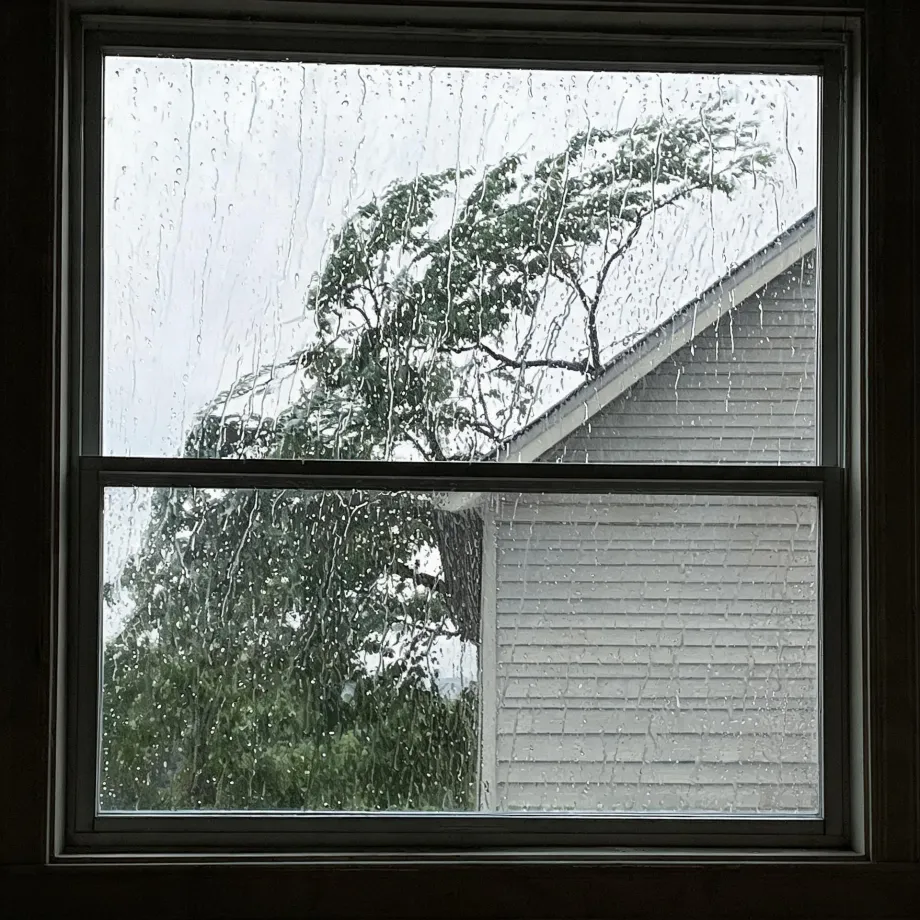
A contractor diagnosing a furnace here has to account for what the system has already been through before they can price the repair accurately. 344 severe weather events were recorded in Linn County, Iowa between 2015 and 2024. At that rate, severe weather is a standing condition of operating a furnace in this county, and it shows up in the work. Heat exchangers crack under repeated thermal stress, blower motors wear faster when the system cycles hard through weather events, and a contractor who skips those components risks quoting a repair that does not hold. The failure a homeowner is calling about is often downstream of wear that started seasons earlier.
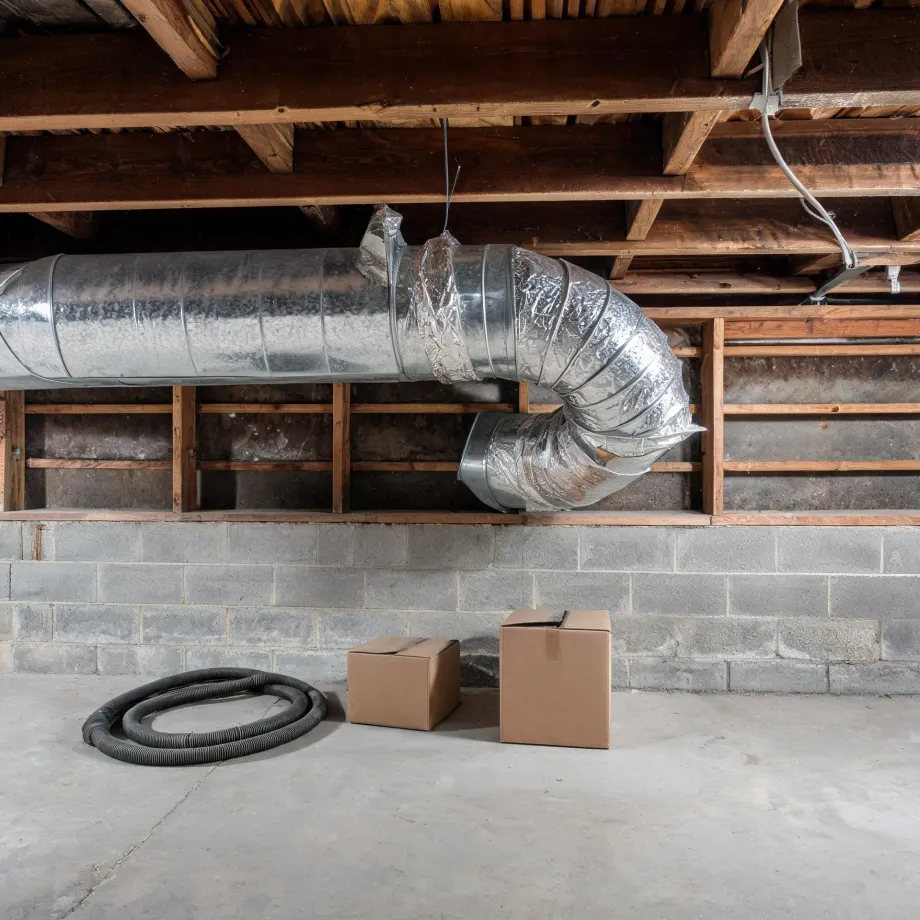
Ductwork and wiring in a house this old have typically been spliced and rerouted across more than one equipment generation, so what a contractor finds once the furnace is open rarely reflects what the original installation called for. Half the homes in Linn County, Iowa were built in 1978 or earlier (2020-2024 ACS 5-year). That depth of history means the repair decision pivots on parts availability: whether the heat exchanger, the inducer motor, or the control board a specific unit takes can still be sourced, and at what lead time. A contractor who can answer that question before quoting saves the homeowner from approving a repair on a system whose parts are on permanent backorder.
The Parts of a Furnace a Contractor Checks First
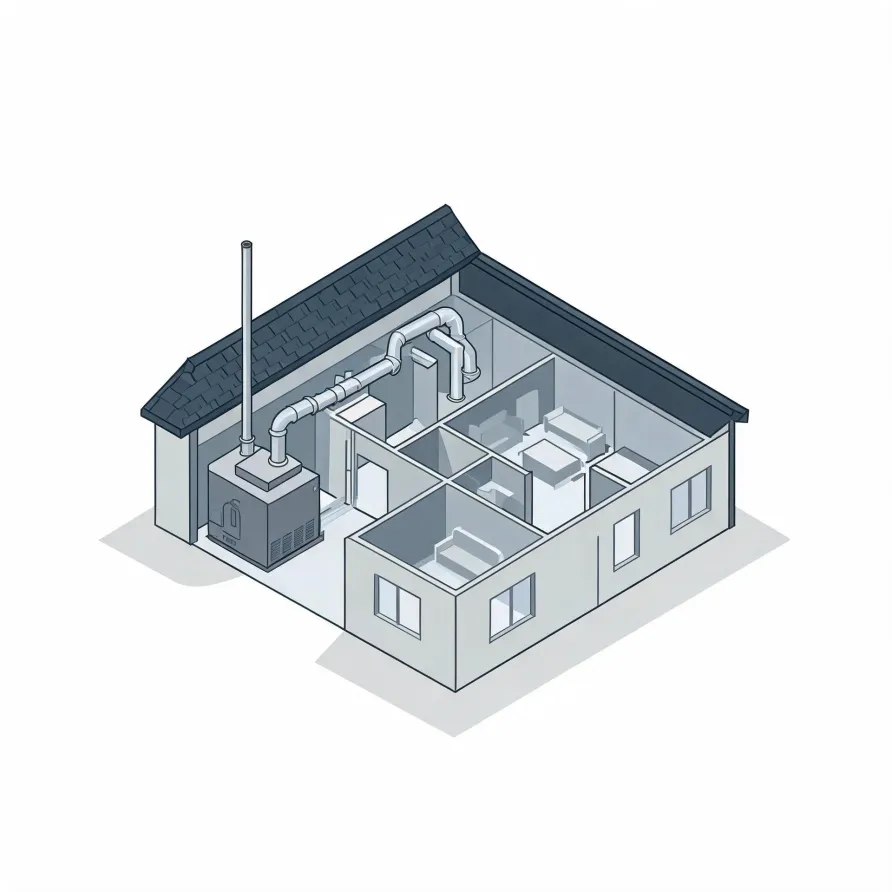
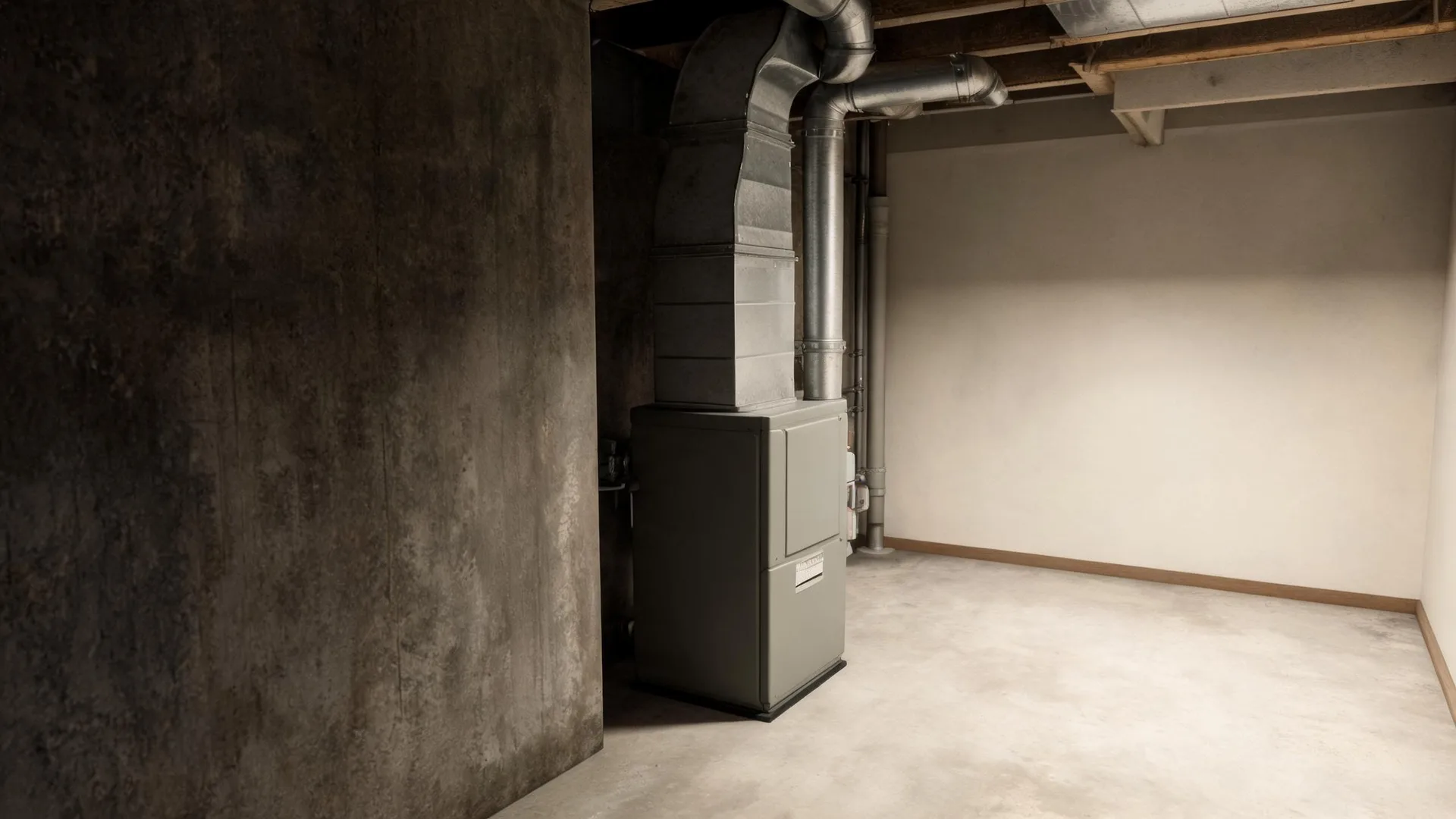
The furnace itself sits in a basement, utility room, or closet and is the heart of the system. Inside it, the heat exchanger and burner assembly are the pieces a contractor goes to first when heat is absent or uneven. A cracked heat exchanger or a burner that won't fire reliably accounts for a large share of furnace calls.
The blower motor moves conditioned air out through the supply side of your duct system and sits inside the furnace cabinet. The flue or venting pipe runs from the furnace to the outside and removes combustion gases. The thermostat, mounted on a wall in the living space, is where the signal starts, and a fault there can mimic a furnace problem.
The drawing shows a typical furnace layout, and a licensed contractor determines what applies to your specific equipment and home.
Get matched in Linn CountyLinn County, Iowa, by the numbers
344 severe weather events were recorded in Linn County, Iowa between 2015 and 2024.
NOAA National Centers for Environmental Information, Storm Events Database, bulk CSV export, events 2015-01-01 through 2024-12-31.Half the homes in Linn County, Iowa were built in 1978 or earlier (2020-2024 ACS 5-year).
U.S. Census Bureau, 2020-2024 American Community Survey 5-Year EstimatesLinn County, Iowa holds 103,104 housing units (2020-2024 ACS 5-year).
U.S. Census Bureau, 2020-2024 American Community Survey 5-Year EstimatesOwners occupy 73.5% of the occupied homes in Linn County, Iowa (2020-2024 ACS 5-year).
U.S. Census Bureau, 2020-2024 American Community Survey 5-Year EstimatesFurnace Repair Rules on the Books for Linn County, Iowa5 codes, standards & regs
What the repair visit looks like
Non-weatherized gas furnaces manufactured on or after November 19, 2015 must reach 80.0 percent AFUE.
Non-weatherized oil-fired furnaces manufactured on or after November 19, 2015 must reach 83.0 percent AFUE.
Mobile home gas furnaces manufactured on or after November 19, 2015 must reach 80.0 percent AFUE.
Non-weatherized gas furnaces manufactured on or after December 18, 2028 must reach 95.0 percent AFUE, up from the 80.0 percent minimum that applies to units manufactured before that date.
Licensing and Legal Requirements in Linn County, Iowa
Iowa requires a state licence to install or repair HVAC, refrigeration, mechanical or plumbing systems, and to operate as a contractor, with exceptions listed in section 105.11.
Severe Weather Events in Linn County
Furnaces in Linn County work against whatever the climate puts on them, and that workload shows up eventually in the equipment. How often conditions here push a heating system hard is part of what shapes repair demand in this area.
344 severe weather events, 2015–2024. Source: NOAA National Centers for Environmental Information, Storm Events Database.